Automated Universal Returns Infrastructure for Online Shopping
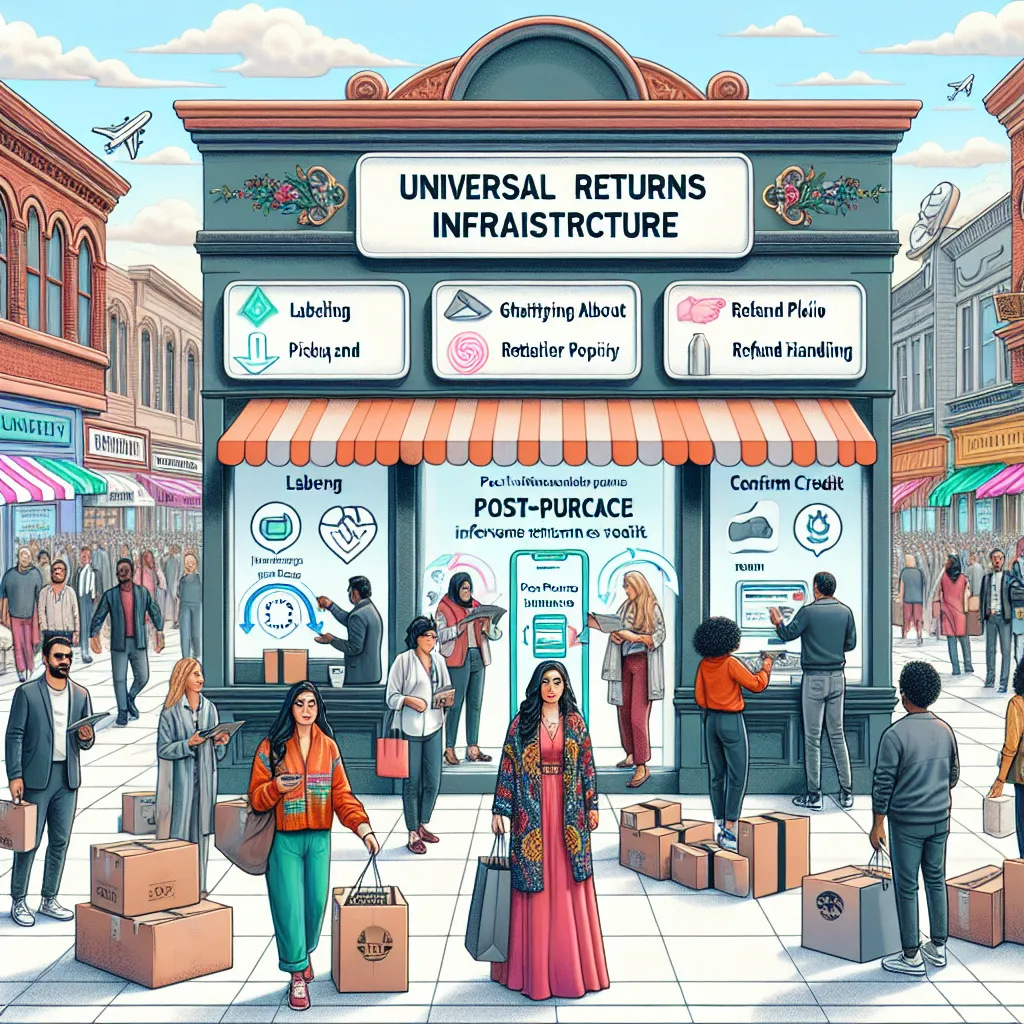
Consumers return 25–30% of online purchases, but the process is still manual: printing labels, contacting support, tracking refunds. Agents may buy for us soon, but they can’t reverse the purchase. The solution is a universal returns infrastructure that handles labeling, shipping, pickup, refund timing, and retailer policies automatically. Why now: all the innovation is in checkout, not post-purchase, yet friction after the sale is the biggest barrier to agent adoption. Example: You tell your agent “I don’t like the jacket.” It schedules pickup, prints a label, files the refund, checks the status, and confirms credit without you touching anything.
Description
No additional description provided.
The Pitch
In recent years, online shopping has surged in popularity due to its convenience and variety. However, a significant challenge persists: the return process. Research indicates that 25–30% of online purchases are returned by consumers. Despite this commonality, the existing process for returns remains cumbersome and manual. Typically, customers must print labels, navigate confusing retailer policies, contact support teams, and track their refunds manually. As a result, the post-purchase experience becomes a notable pain point, deterring more widespread adoption of online shopping, especially with the impending rise of consumer agents.
**Identifying the Problem**
While innovation has largely focused on improving the checkout experience, the post-purchase phase has lagged. The manual nature of current return processes not only frustrates consumers but also poses a significant barrier to the wider adoption of digital shopping agents. As these agents become more involved in our purchasing decisions, their inability to seamlessly handle returns and refunds makes the shopping experience less appealing.
**Proposed Solution**
To address these inefficiencies, a universal returns infrastructure is proposed. This system automates the entire return process, streamlining labeling, shipping, pickups, refund timing, and compliance with retailer policies. The goal is to create a frictionless experience for consumers, ensuring returns are as swift and effortless as purchasing.
**Product Details**
1. **Automated Labeling**: Upon initiating a return, the system automatically generates shipping labels, removing the need for consumers to manually print them.
2. **Smart Pickup Scheduling**: By integrating with local courier services, the platform enables convenient pickup scheduling, eliminating the need for customers to personally drop off packages.
3. **Real-Time Refund Tracking**: Customers can monitor the status of their returns and refunds, receiving notifications at every step of the process.
4. **Retailer Policy Integration**: The system is designed to adapt to various retailer return policies, ensuring compliance and maximizing the likelihood of successful returns.
5. **Agent Compatibility**: Seamless API integrations allow consumer agents to interact with this infrastructure, enabling them to autonomously manage return processes on behalf of users.
**Tools for MVP Launch**
To bring this vision to life, leveraging existing tools can expedite the development and testing process:
1. **Shopify and Magento Integration**: Use plugins to connect with popular e-commerce platforms for a robust MVP testing ground.
2. **API Development Tools**: Leverage platforms like Postman for developing and testing APIs that integrate seamlessly with third-party agents and retailers.
3. **Cloud Infrastructure**: Utilize AWS or Google Cloud for scalable computing resources that support dynamic processing requirements.
4. **Courier API Integration**: Consider using courier APIs like those from FedEx or UPS to implement dynamic pickup scheduling and tracking functionalities.
**Go-To-Market Strategy**
1. **Strategic Partnerships**: Cultivate partnerships with key e-commerce platforms and popular retailers to ensure wide applicability and immediate impact.
2. **Pilot Programs**: Launch pilot programs with select consumer agent companies to refine the user experience and demonstrate the system's value.
3. **Consumer Outreach**: Engage consumers through targeted digital marketing campaigns highlighting the conveniences and benefits of a seamless return process.
4. **Feedback Loop Integration**: Deploy feedback mechanisms to gather user insights and continuously refine the system based on real-world usage.
**Business Model**
A subscription-based model is proposed for this service, offering different tiers based on the volume of returns processed. Alternatively, a transaction fee model could be adopted, charging retailers or platforms a small fee per successfully processed return. Additional revenue streams might include premium features available for an additional cost, such as enhanced analytics or priority customer support.
Conclusion
By addressing the significant friction in the post-purchase process, this universal returns infrastructure promises to revolutionize the online shopping experience. By enhancing customer satisfaction and enabling agent autonomy, it stands to not only bolster current e-commerce systems but also pave the way for the next era of digital retail.
---