Automated Science Marketplace for Effortless Experiments
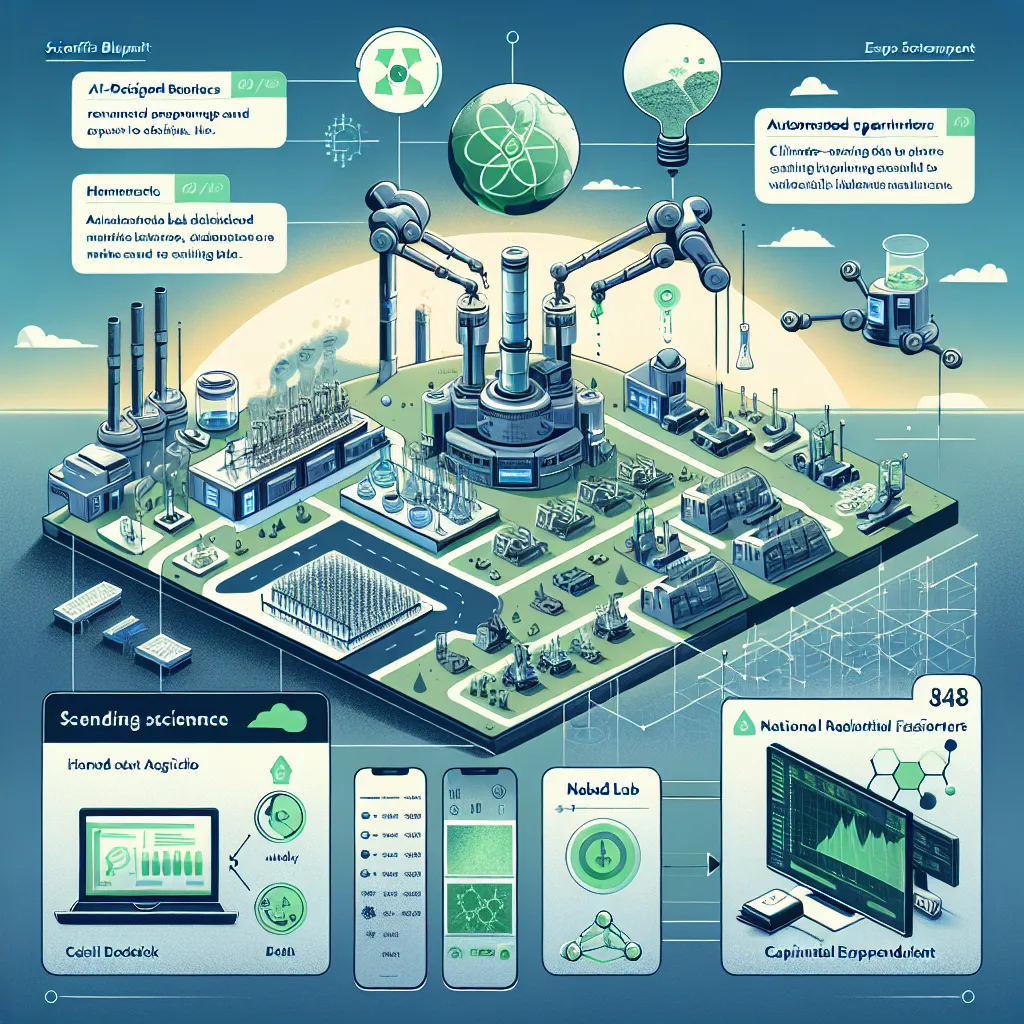
Even with a scientific blueprint, most people can’t execute experiments. Labs are expensive, fragmented, and inaccessible. The solution: a marketplace that routes AI-designed experiments to robotic labs and national facilities, handling logistics, execution, analysis, and iteration. Genesis is making automated science infrastructure mainstream, but there’s no front-end layer for access. Example: a climate-tech startup sends a materials test to the platform and receives data back in 48 hours—no lab, no scientists, no capital expenditure.
Description
No additional description provided.
The Pitch
Scientific experimentation is fundamental to innovation across various fields, including biotechnology, materials science, and climate technology. However, for many innovators, researchers, and startups, executing these experiments remains a daunting task. This challenge arises primarily due to the costs, complexity, and inaccessibility associated with traditional laboratory settings. In response to this problem, an integrated platform is proposed to streamline the process by routing AI-designed experiments to robotic labs and national facilities while handling all aspects of logistics, execution, analysis, and iteration.
Backstory
Currently, even with access to comprehensive scientific methodologies, most individuals and organizations cannot effectively execute experiments without significant investment in laboratory infrastructure and skilled personnel. This barrier limits innovation potential and stifles progress in various fields that require empirical research and experimentation.
The Problem
The main issues faced by those who wish to conduct scientific experiments are:
1. High costs: Setting up or accessing traditional laboratory facilities requires substantial financial investment, making it inaccessible for many startups and independent researchers. 2. Fragmentation: The scientific experimentation process is often disjointed, requiring coordination across multiple entities such as labs, analytical services, and logistics providers. 3. Inaccessibility: Many cutting-edge experimental facilities are limited to established institutions or require extensive networks to access, excluding smaller entities from the innovation process.
The Solution
The proposed solution is an end-to-end online marketplace that simplifies the process of scientific experimentation by leveraging robotics, AI, and strategic partnerships with national facilities. This platform enables users to submit their experimentally designed projects and receive timely, reliable data outputs without the need for physical lab presence.
Product Details
1. AI-Designed Experimentation: Users input their experimental parameters, and AI algorithms optimize the design for cost-efficiency and efficacy. 2. Robotic Lab Integration: Experiments are routed to state-of-the-art robotic laboratories capable of precise execution. 3. Partnerships with National Facilities: Access to high-end resources and facilities through established collaborations enhances the depth and breadth of experimental capabilities. 4. Data Management and Analysis: The platform provides advanced data analytics tools that deliver comprehensive insights and reports to users. 5. Seamless Logistics: All aspects of specimen transport and experiment coordination are automated, ensuring a hassle-free process.
Tools for MVP Launch
- Cloud-Based Infrastructure: Services such as AWS or Google Cloud for scalable storage and processing. - AI and Machine Learning: Technology like TensorFlow or PyTorch for developing intelligent experiment design algorithms. - Robotics Integration: APIs and SDKs from leaders in robotic automation, such as Universal Robots. - Data Analytics: Solutions from providers like Tableau or Looker for creating user-friendly data analysis interfaces. - API Management: Tools like Postman for seamless integration with third-party labs and facilities.
Go-To-Market Strategy
1. Target Audience: Focus initial efforts on climate tech startups, biotech firms, and academic researchers who require frequent experimentation. 2. Strategic Partnerships: Collaborate with both tech companies with expertise in AI and robotics, and national laboratories offering experimental facilities. 3. Educational Initiatives: Create webinars and workshops demonstrating the platform's capabilities and benefits. 4. Free Trials and Promotions: Offer trial periods or discounts to early adopters to encourage platform engagement.
Business Model
- Subscription-Based Access: Monthly or annual subscription packages tailored to different levels of experimentation needs. - Per-Experiment Fee: Pay-as-you-go model for users with sporadic experimentation requirements. - Premium Features: Additional fees for enhanced analytics, faster processing times, or access to exclusive facilities.
Conclusion
This platform has the potential to revolutionize the way scientific experimentation is conducted by making it accessible, affordable, and efficient. By democratizing access to high-end lab resources and simplifying the experimentation process, the platform sets the stage for accelerated innovation across multiple domains. Through strategic utilization of AI, robotics, and cloud technologies, it offers a comprehensive solution to longstanding challenges in the scientific community.