Automated Rural Bodega for Underserved Towns
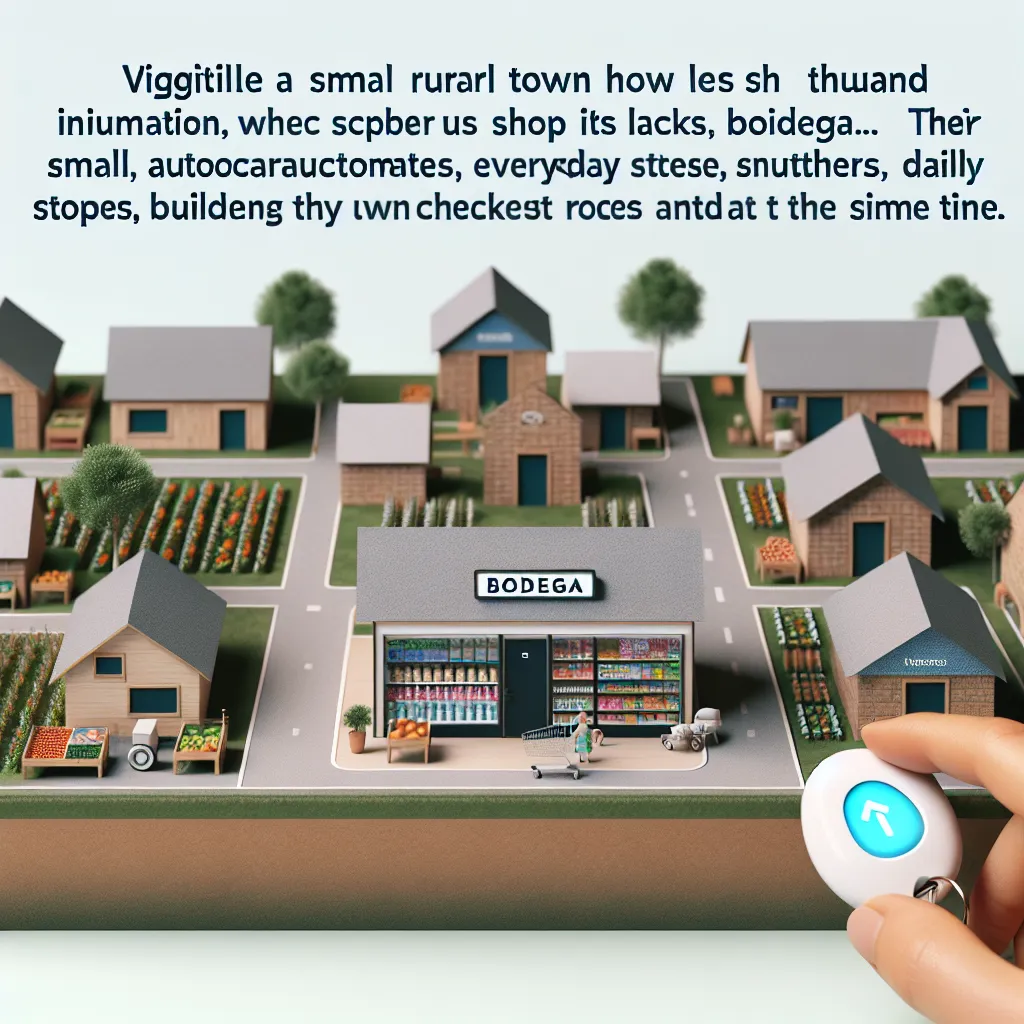
Small towns with under 1,000 residents can’t support staffed stores, leaving locals without essential supplies. An autonomous, key-fob-access bodega stocked with diapers, snacks, and daily goods offers a 24/7 retail solution with zero on-site labor. Residents shop normally, with self-checkout and monitored access. Supporting insight: Dollar General avoids towns under 3,000 people, yet there are over 10,000 such towns in the U.S. Example: A self-serve mini-store placed in a farm town gives locals convenience and identity, at a sustainable cost.
Description
No additional description provided.
The Pitch
In the vast landscape of America, small towns with populations of under 1,000 residents often face unique challenges, particularly in the realm of access to essential supplies. These rural communities, while tight-knit and rich in culture, frequently lack the resources to support traditional staffed retail stores. This scarcity leaves residents in need of a convenient and reliable solution for obtaining everyday necessities.
---
Problem Statement
Traditional retail models do not adequately serve these small communities. Retail chains, such as Dollar General, typically avoid establishing locations in towns with fewer than 3,000 residents due to insufficient consumer base and potential revenue. As a result, over 10,000 small towns in the U.S. are left without easy access to crucial goods like diapers, snacks, and daily necessities. Residents often have to travel long distances to nearby towns or cities to fulfill their basic shopping needs, leading to inconvenience and added expenses.
---
Proposed Solution
The introduction of an autonomous, key-fob-access mini-store can bridge this gap by providing a 24/7 retail solution that requires zero on-site labor. This self-serve bodega concept allows residents to shop for essential items whenever they need, offering convenience and flexibility. By leveraging technology, these mini-stores operate with monitored access and self-checkout systems, ensuring a seamless and secure shopping experience.
---
Product Details
The autonomous mini-store is a compact, modular structure, designed to fit seamlessly into small town environments. Stocked with a carefully curated selection of high-demand items such as toiletries, non-perishable foods, hygiene products, and seasonal necessities, the store aims to meet the everyday needs of local residents. Access is granted through a membership system utilizing key fobs, allowing for secure entry and exit. Inside, customers can use intuitive self-checkout kiosks to purchase their selected items effortlessly.
---
Tools for Launching the MVP
- Smart Lock Systems for secure, monitored entry using key fobs. - Self-Checkout Kiosks equipped with barcode scanners and payment processors. - Inventory Management Software to automate restocking and track sales trends. - Remote Surveillance Cameras for security and customer monitoring. - Modular Shipping Containers to create flexible, cost-effective store spaces.
---
Go-To-Market Strategy
- **Pilot Program**: Launch in select small towns that exhibit strong community ties and a lack of retail options, gathering feedback and iterating the model as needed. - **Community Engagement**: Work with town councils and resident groups to tailor the product offering and communicate the benefits of the mini-store concept. - **Partnerships**: Collaborate with local distributors to keep inventory fresh and relevant while supporting nearby economies. - **Marketing Tactics**: Use local advertising, social media, and community events to build awareness and excitement around the autonomous mini-store.
---
Business Model
Revenue generation will primarily stem from product sales within the mini-store. A subscription-based membership model for key fob access could provide additional, stable revenue streams. Furthermore, partnering with local producers and businesses for product stocking can reduce costs and build community ties, creating mutually beneficial relationships. Over time, scaling these stores to additional small towns could lead to bulk purchasing power, further decreasing expenses and increasing profitability.
---
Conclusion
The autonomous mini-store offers a transformative solution for small towns, providing necessary goods with unrivaled convenience and efficiency. By employing cutting-edge technology and fostering strong community connections, this innovative retail model can overcome the limitations faced by traditional stores, creating a sustainable and supportive ecosystem for small town America.