Automated Refunds for Dynamic Price Drops
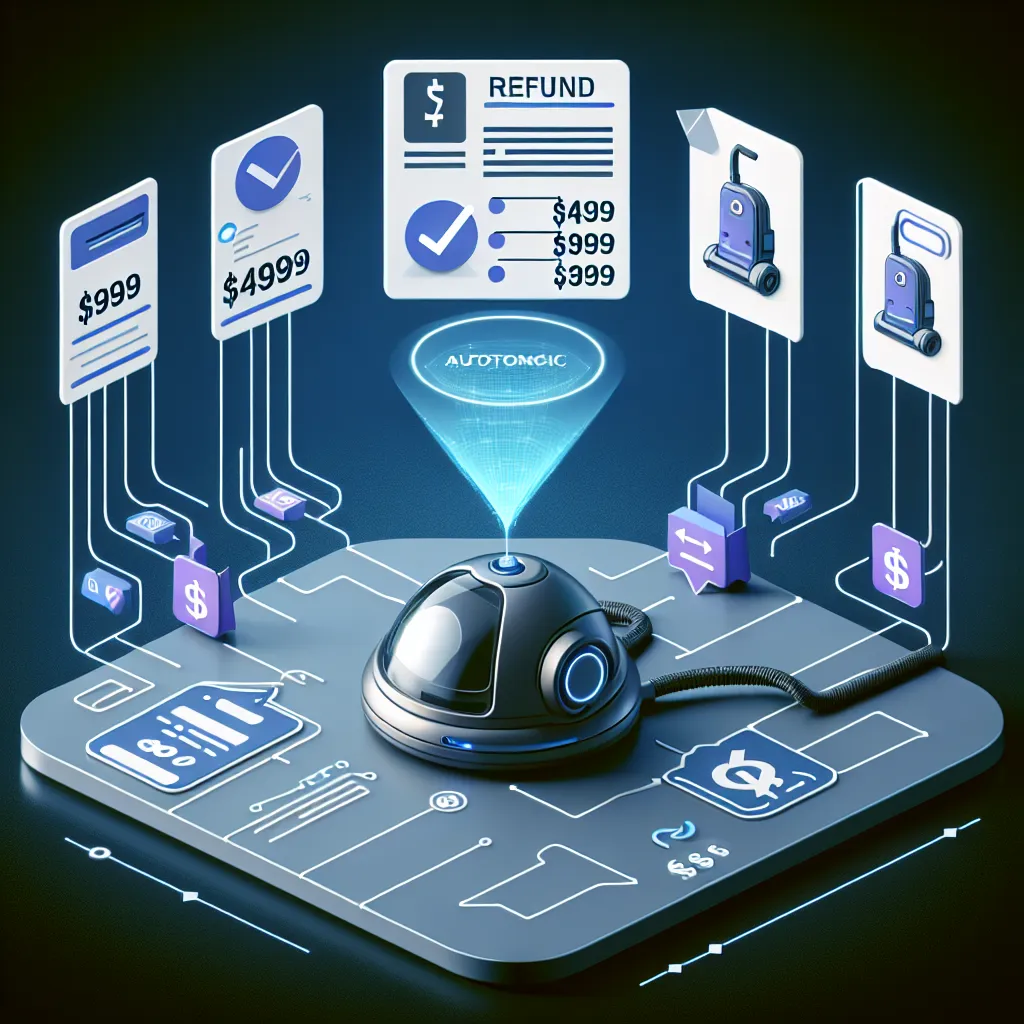
Prices fluctuate constantly, but consumers rarely notice drops or refunds they are owed. The burden is still on the buyer to monitor the product after purchase. The solution is embedded price-drop and refund automation for everything agents buy: if pricing changes, the agent claims refunds automatically and handles disputes. Why now: dynamic pricing is exploding, and AI shopping increases volatility. Example: your agent buys a Dyson for $499, sees it for $399 later that week, and auto-files the refund before you even knew the sale existed.
Description
No additional description provided.
The Pitch
In today's dynamic and ever-evolving marketplace, prices for goods and services can fluctuate rapidly due to various factors such as demand, competition, and market conditions. This volatility often leads to situations where consumers miss out on refunds or price adjustments for purchases they have already made. As consumer awareness regarding their purchase rights increases, there arises a significant opportunity for solutions that automatically monitor these price changes and manage refund claims on behalf of the consumer.
### Problem Statement
The primary issue is that consumers are typically unaware of price drops on products they've already purchased and must manually track their purchases to claim any applicable refunds. This process is not only time-consuming but also impractical, given the vast number of transactions an average consumer engages in. Moreover, the burden often falls on the consumer to dispute and reclaim any price differences, which can be cumbersome and discouraging.
### Solution
Introducing an intelligent, automated service that seamlessly integrates with consumers' purchase histories and monitors price fluctuations post-purchase. This service proactively files refund claims and handles disputes, ensuring consumers receive any entitled refunds without lifting a finger. By automating this process, consumers save time, reduce stress, and maximize potential savings.
### Product Details
1. **Automated Price Monitoring**: The core functionality of the service will involve real-time tracking of prices for products consumers have purchased. The system will utilize web scraping, APIs, and data aggregation to monitor changes.
2. **Refund Automation**: Upon detecting a price drop, the service will automatically initiate the refund process, submitting necessary documentation and communications with retailers.
3. **Dispute Resolution**: In cases where refund claims are contested, the service will leverage pre-defined algorithms to manage disputes efficiently and effectively, ensuring consumers get the best possible outcome.
4. **User Dashboard**: A user-friendly interface that allows consumers to track monitored products, refunds filed, and disputes in progress, providing transparency and control over their savings.
5. **Notifications and Alerts**: Regular updates and notifications will be sent to users about their claims and transactions, ensuring they remain informed and engaged.
### Tools for MVP Launch
To develop and launch this service as a Minimum Viable Product, consider utilizing the following tools:
- **Web Scraping Tools** (e.g., BeautifulSoup, Scrapy) for monitoring online price changes. - **APIs** from major retailers to access product pricing and purchase history. - **Automation Tools** (like Selenium or Zapier) to simulate user interactions for filing refunds. - **Databases** (such as MySQL or MongoDB) to store relevant data securely. - **Customer Support Software** (like Zendesk) for managing disputes and customer communications. - **AI/ML Algorithms** to efficiently process and analyze price data and refund opportunities.
### Go-to-Market Strategy
1. **Partnerships with Retailers**: Collaborate with major retailers to facilitate easier access to transaction data and refund policies, benefitting both the service and the retailers by improving customer satisfaction.
2. **Targeted Marketing Campaigns**: Focus on digital marketing efforts aimed at tech-savvy consumers who frequently shop online and would benefit the most from an automated solution.
3. **Referral Programs**: Encourage existing users to refer the service to friends and family by providing discounts or rewards for successful referrals.
4. **Content Marketing**: Establish a strong digital presence through blogs, videos, and social media content emphasizing savings through automation and the value proposition the service offers.
5. **Freemium Model**: Introduce the core services under a freemium model, offering basic features for free while charging for premium features like advanced dispute management or real-time notifications.
### Business Model
1. **Subscription Fees**: Charge a monthly or annual subscription for access to premium features such as enhanced monitoring and priority dispute resolution.
2. **Commission on Savings**: Implement a commission model, taking a small percentage of the savings realized through refunds on behalf of the consumer.
3. **Data Partnerships**: Form alliances with market research firms, leveraging anonymized price and purchasing data for consumer behavior research.
4. **Custom Solutions for Enterprises**: Offer tailored solutions for businesses that purchase in bulk, providing significant savings and enhanced administrative efficiency.
By implementing a robust and comprehensive strategy, this service will offer unmatched value to consumers in the digital age, ensuring they never miss out on potential savings and enhancing their overall purchasing experience.