Automated MVP-as-a-Service: From Content to Commerce
Many creators want to move from content to commerce, but lack technical skills, time, or a clear path. They often stall at the idea stage or launch half-baked products that don’t convert. Automated MVP-as-a-Service solves this by integrating niche detection, product recommendation, pricing strategy, and a basic landing page—all powered by AI. A creator links their social account, the system analyzes content and audience engagement, suggests a product category (e.g., templates, tools, mini SaaS), and builds a prototype site with pricing and lead gen. Supporting data from Gumroad, and OpenAI plugins could fine-tune recommendations. For example, a productivity YouTuber could be guided to launch a Notion dashboard subscription with upsell options—all within 24 hours. It gives creators a fast, guided path from content to cash, closing the gap between audience and product.
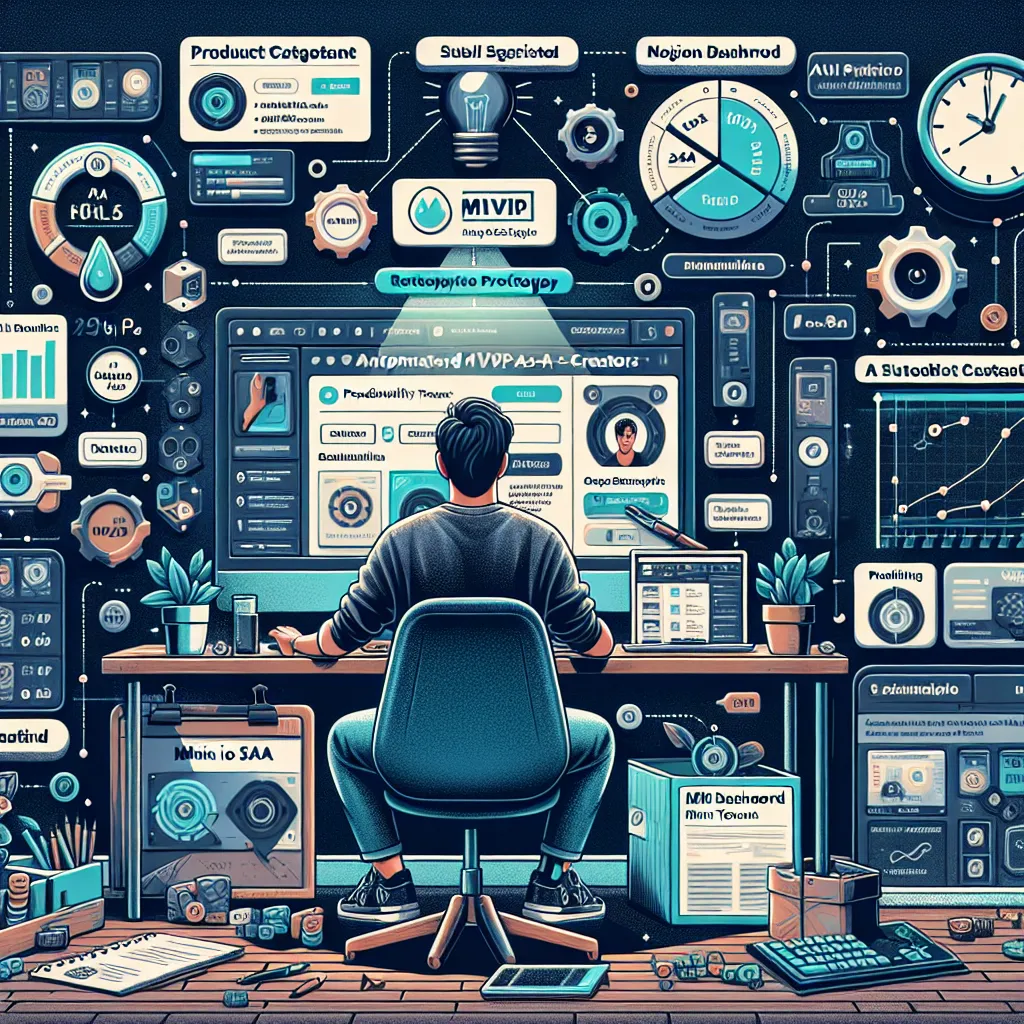
Description
No additional description provided.
The Pitch
Many creators desire to transition from merely producing content to establishing a thriving commerce business. However, they often face substantial roadblocks, such as a lack of technical skills, limited time, or an absence of a clear strategy. These challenges frequently result in creators stalling at the ideation stage or launching incomplete products which fail to convert effectively.
This issue is precisely addressed by the concept of an Automated MVP-as-a-Service. This service seeks to streamline the transition from content creation to product launching by integrating niche detection, product recommendation, pricing strategy, and the development of a basic landing page—all powered by artificial intelligence.
The Process
1. **Integration with Social Accounts**: Creators begin by linking their social media accounts to the platform. This allows the system to analyze content and audience engagement data.
2. **AI-Driven Insights**: Using this analysis, the system suggests a product category that aligns well with the creator's niche. Potential categories might include digital templates, productivity tools, or mini SaaS products.
3. **Prototype Development**: With the product category identified, the system builds a basic prototype website. This site includes a pricing strategy and lead generation components tailored to the creator’s audience and content style.
4. **Data-Powered Recommendations**: Tools like Gumroad and OpenAI plugins are utilized to fine-tune the product recommendations, ensuring they are data-driven and aligned with current market trends.
5. **Fast Implementation**: The entire process, from analysis to prototype launch, is designed to be completed within 24 hours, giving creators a rapid and structured path from idea to market entry.
For instance, consider a productivity-focused YouTuber. Through this service, they could receive guidance to launch a subscription-based Notion dashboard, complete with upsell options, effectively turning their content into a monetizable product.
Tools for Launch
To facilitate the swift development and launch of these Minimum Viable Products, the following tools play a crucial role:
- **Platform Analytics**: For gathering data from creators' social media interactions and engagements. - **AI Technology**: Deploying AI to analyze data and generate recommendations regarding product types and pricing strategies. - **Web Development Tools**: For building the prototype landing pages, integrating payment gateways, and setting up lead generation mechanisms.
Go-To-Market Strategy
The strategy to bring this service to market involves several key components:
- **Targeted Outreach**: Focus on creators who have established audiences but have yet to monetize their platforms effectively. - **Partnerships with Creator Platforms**: Collaborate with existing platforms that cater to content creators, such as YouTube, Instagram, and other social networks. - **Educational Campaigns**: Run webinars and offer resources to educate creators about the benefits and ease of transitioning to commerce using the service. - **Case Studies and Testimonials**: Showcasing successful transitions from content creation to commerce can help drive adoption by illustrating tangible benefits.
Business Model
The primary business model for Automated MVP-as-a-Service could include:
- **Subscription Fees**: Charging a monthly fee for access to the service, including continuous access to AI recommendations and new updates. - **Freemium Model**: Offering a free tier with basic features, while advanced analytics and prototype customization are reserved for paying subscribers. - **Revenue Sharing**: Taking a small percentage of the revenue generated by products launched through the platform.
By offering this comprehensive service, creators can overcome the barriers to monetization and swiftly translate their creative efforts into profitable products, thereby closing the gap between their audience and viable market offerings.