Automated Insurance Savings for Renters App
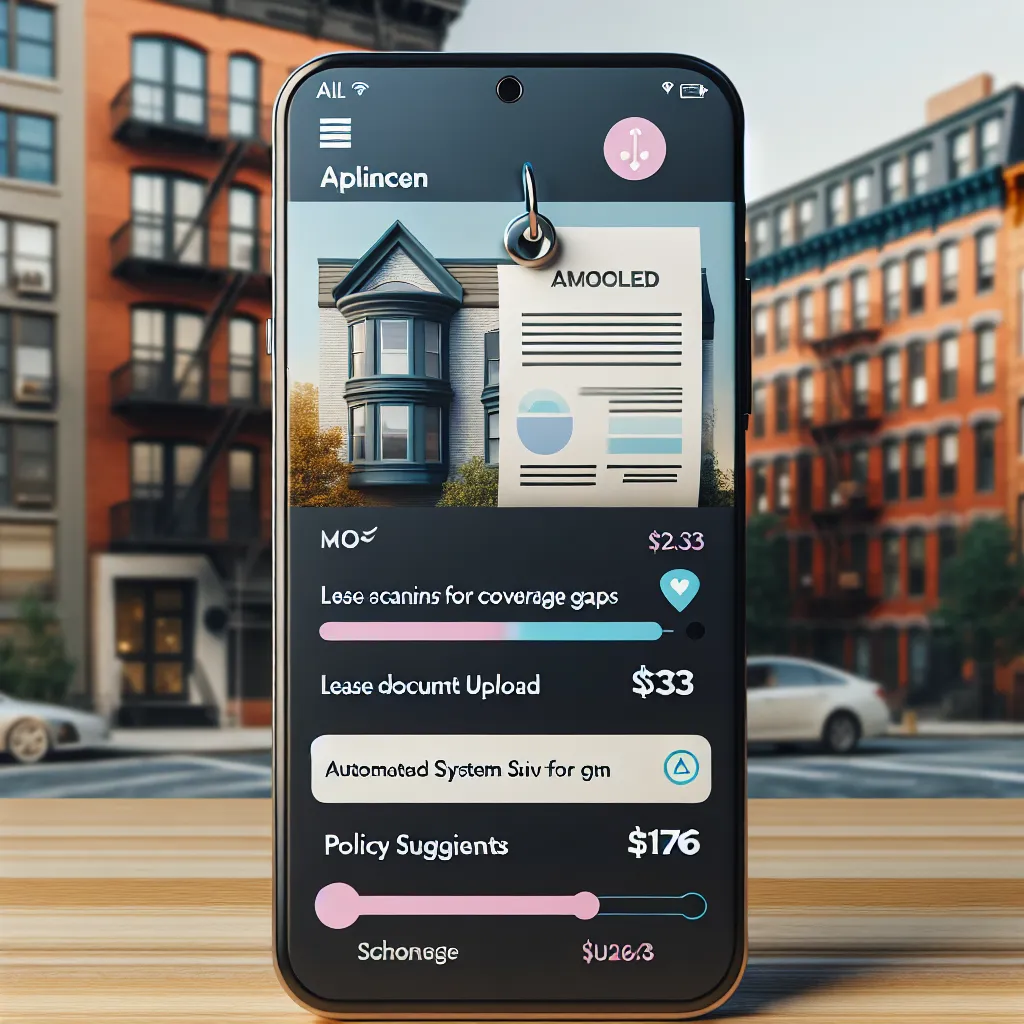
Renters rarely update policies and overpay. This app connects to lease docs, scans coverage gaps, and suggests cheaper, tailored insurance automatically. Trend: insurtech is entering niche personal lines. Example: a renter uploads their new Brooklyn lease. The app finds a $19/month policy vs. their old $33/month one, saving $168 a year.
Description
No additional description provided.
The Pitch
In a rapidly evolving digital age, many consumers remain unaware of potential insurance savings, often sticking with outdated policies due to convenience or lack of knowledge. Specifically, renters frequently miss opportunities to optimize their insurance coverage, resulting in overpayment and inadequate protection. This guide outlines an innovative solution designed to address these challenges through a smart insurance optimization app tailored for renters.
Background and Problem Statement
For renters, managing insurance can be a complex and often neglected task. The existing process for policy updates is commonly perceived as cumbersome, discouraging individuals from revising their coverage when moving or renewing leases. As a result, many renters end up paying more than necessary for policies that may not even meet their current needs. Furthermore, navigating the intricacies of insurance terms and coverage options without expert guidance often leads to poor decision-making.
Proposed Solution
The envisioned solution is a mobile application designed to simplify the insurance optimization process for renters. By integrating advanced algorithms and leveraging technology to automatically analyze lease documents, this app identifies coverage gaps and recommends personalized insurance solutions. Users receive suggestions for alternative policies that could provide equivalent or improved coverage at a lower cost.
Product Details
The app works seamlessly with various document formats, enabling users to upload their lease agreements via a simple interface. Key features include:
1. **Automatic Document Analysis**: The app scans uploaded lease documents to extract relevant information, identifying current coverage levels and potential inadequacies.
2. **Policy Comparison Tool**: By comparing existing policies with a database of available options, the app suggests alternatives that align more closely with the user's current situation, often at reduced premiums.
3. **Cost Savings Tracker**: Users can track their annual potential savings, providing clear motivation to switch policies.
4. **User-Friendly Interface**: Designed for ease of use, the app ensures a streamlined user experience from document upload to policy recommendation.
Tools for Easy MVP Launch
To bring this concept to life, several modern tools and platforms can be leveraged:
- **No-Code Platforms**: Utilize tools like Bubble or Adalo to quickly create a functional prototype without extensive coding. - **Optical Character Recognition (OCR) Technology**: Implement OCR software to accurately analyze text from uploaded documents. - **Insurance API Providers**: Partner with businesses offering APIs for insurance comparison and integration to access a wide range of policy options. - **User Feedback Platforms**: Incorporate tools like SurveyMonkey or Typeform to gather user feedback and iterate on the MVP.
Go-To-Market Strategy
The initial launch will target tech-savvy urban renters, a demographic known for its openness to app-based solutions and financial optimization. Key elements of the strategy include:
- **Collaborations with Property Management Companies**: Establish partnerships to offer the app as a value-added service to tenants. - **Social Media Marketing**: Deploy targeted campaigns on platforms like Instagram and TikTok, highlighting user testimonials and success stories. - **Content Marketing**: Develop informative blog posts and videos to educate users on the benefits of insurance optimization. - **Influencer Engagement**: Partner with financial and lifestyle influencers to broaden reach and credibility.
Business Model
The app will operate on a freemium model, where basic features are accessible at no cost, while advanced functionalities are bundled into a subscription package. Premium users can benefit from additional services, such as personalized advisory sessions or deeper analytical insights. Additionally, affiliate partnerships with insurance companies may offer a secondary revenue stream, providing commissions for policies purchased through the app's suggestions.
Conclusion
By addressing a significant pain point for renters, this innovative insurance optimization app represents a promising venture in the growing insurtech sector. Through strategic deployment and user-centric design, the initiative has the potential to redefine how renters engage with insurance, driving better financial outcomes and enhanced customer experiences.