Automated E-commerce Localization Tool for Brands
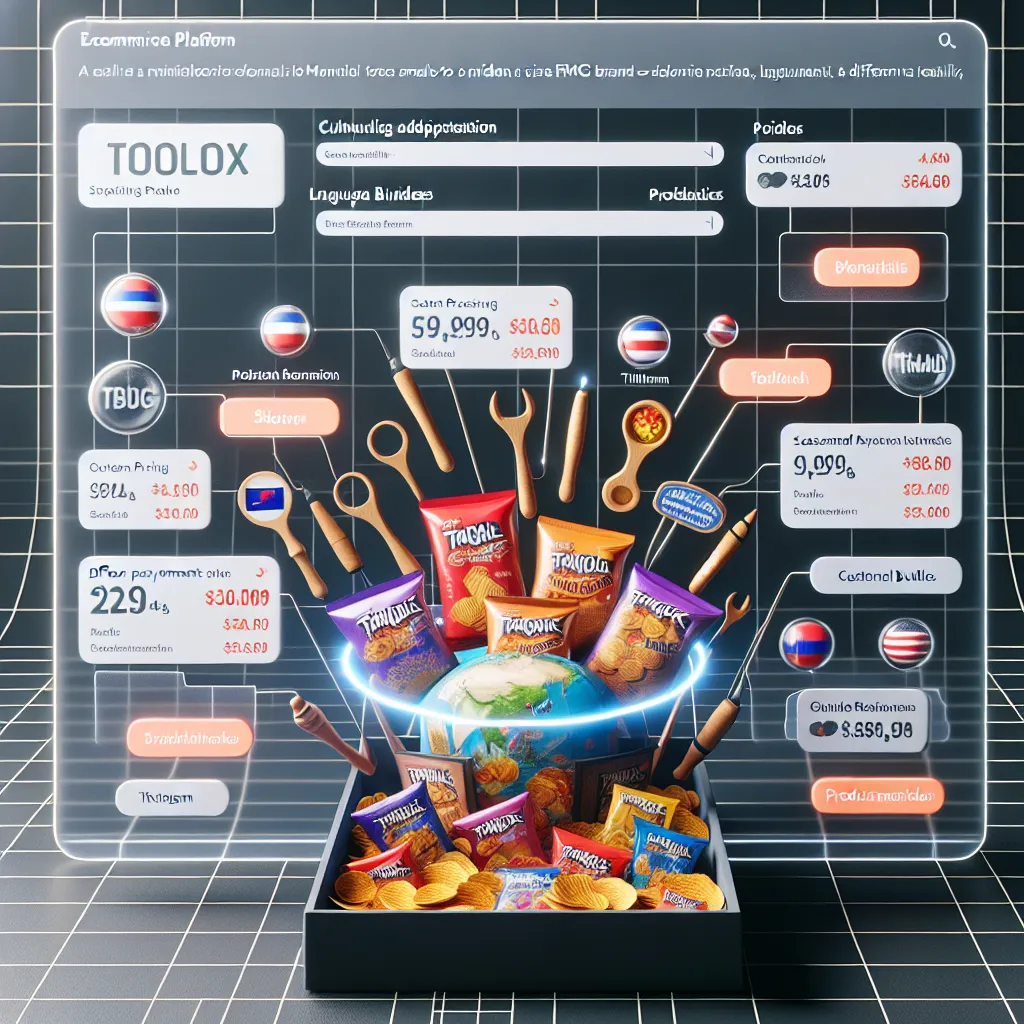
Big FMCG players dominate regional ecommerce through localization—custom pricing, language, payment methods, and seasonal relevance. But smaller brands struggle to adapt at scale. This startup offers a plug-and-play tool that automatically localizes ecommerce listings, ad creatives, product descriptions, and checkout experiences across regions. It pulls in real-time cultural, linguistic, and economic data to adjust everything from product bundles to price points. A snack brand expanding from the U.S. to Southeast Asia, for example, could instantly generate local versions of their storefront for Thailand, Vietnam, and Indonesia—without hiring local teams.
Description
No additional description provided.
The Pitch
The ecommerce landscape is rapidly evolving, with big Fast-Moving Consumer Goods (FMCG) players leveraging their extensive resources to dominate regional markets through advanced localization strategies. They have the ability to customize pricing, languages, payment methods, and even align their products with local seasons and cultural nuances. In contrast, smaller brands often face significant challenges when attempting to expand into international markets due to the lack of resources and capabilities to adapt their offerings at scale. This creates a substantial barrier to entry for these brands, limiting their growth potential and market reach.
**Problem:**
For small and medium-sized enterprises (SMEs) in the FMCG sector, entering new regional markets presents numerous challenges:
1. Difficulty in customizing ecommerce listings and marketing materials for different regions. 2. High costs associated with hiring local teams or consultants to understand and penetrate individual markets. 3. Inability to efficiently adapt product offerings, price points, and purchasing methods to fit diverse cultural and economic landscapes. 4. Loss of competitive edge as larger players deploy sophisticated localization strategies to capture local market share.
**Solution:**
To address these challenges, the solution is the development of a plug-and-play localization tool designed specifically for ecommerce. This tool automatically modifies ecommerce listings, advertising creatives, product descriptions, and checkout experiences to suit various regional specifics. By pulling in real-time cultural, linguistic, and economic data, the tool offers nuanced adaptations, enabling brands to tailor their product bundles, price points, promotional content, and payment methods across different regions seamlessly.
**Product Details:**
- **Automated Localization**: The tool automatically customizes key elements of ecommerce platforms, such as product descriptions, ad creatives, and checkout experiences, based on regional data. - **Data Integration**: Real-time cultural, linguistic, and economic data integration ensures current and relevant localization. - **Scalability**: Designed for scalability, enabling businesses to expand across multiple regions without proportional increases in resources. - **Ease of Use**: An intuitive interface allows users to manage and deploy localizations without technical expertise. - **Flexibility**: Offers adjustable settings for preferred localization depth and customization.
**Tools to Launch as an MVP:**
- **No-Code Platforms**: Tools like Bubble or Adalo can be used to create the MVP quickly. - **API Integration**: Use APIs to access cultural, linguistic, and financial data for real-time updates. - **Cloud Services**: Utilize cloud platforms like AWS or Google Cloud for scalable computing power. - **Localization Software**: Leverage software like SDL Trados or Crowdin for initial language translation capabilities.
**Go-to-Market Strategy:**
1. **Targeted Outreach**: Focus marketing efforts on SMEs in the FMCG sector seeking to expand internationally. 2. **Partnerships with Local Influencers**: Collaborate with local influencers to demonstrate the tool’s effectiveness across different regions. 3. **Freemium Model**: Offer a basic version free of charge to attract early adopters with premium features available via subscription. 4. **Webinars and Workshops**: Conduct live demonstrations to showcase the tool's ease of use and effectiveness in real-world scenarios.
**Business Model:**
The business model for this tool would primarily be subscription-based, with multiple tiers offering varying levels of service and features. Potential models include:
- **Tiered Subscription**: Different pricing levels based on the number of regions or the depth of localization services required. - **Freemium Model**: Basic features are available free of cost, with premium services offered through subscription. - **Consultation Services**: Offer additional consultation for brands wanting a more in-depth localization strategy.
By enabling SMEs to effortlessly navigate the complexities of international ecommerce, this tool democratizes the ability to compete on a global scale, providing them with the resources traditionally reserved for larger players. Through tailored localization, smaller brands can now capture regional market shares and unlock new growth opportunities.