Automated Driverless Car Delivery Service
Description
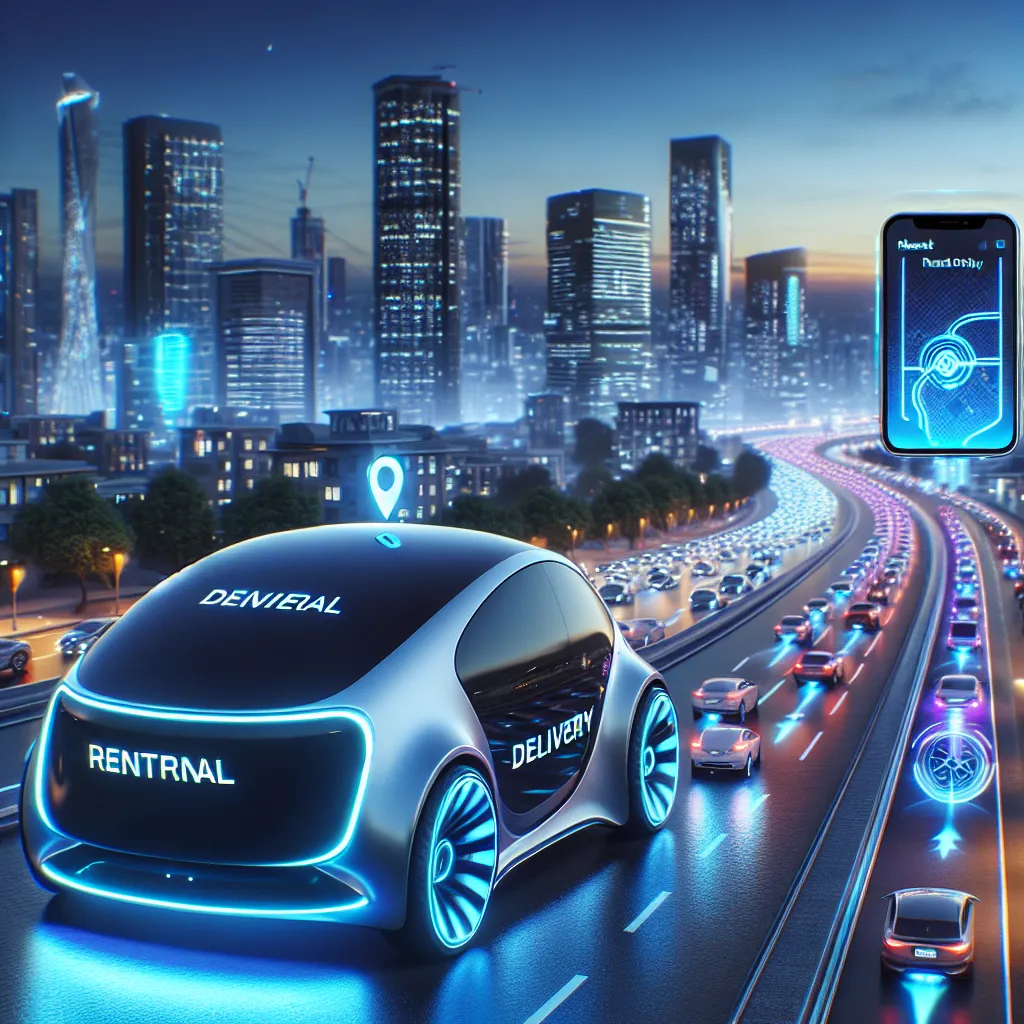
Automated Driverless Car Delivery Service: A service that uses remote drivers to deliver rental cars directly to customers' locations. This would enhance convenience for users, especially in urban areas where picking up rental cars can be cumbersome.
The Pitch
The Automated Driverless Car Delivery Service leverages remote driving technology to deliver rental cars directly to customers' locations, such as their homes, hotels, or workplaces. Instead of customers traveling to rental car agencies or parking lots, the service brings the rental car to them, offering a seamless and convenient experience. This service targets urban areas, airports, and densely populated regions where navigating to rental car pickup locations can be inconvenient and time-consuming.
How It Works:
Customer Booking: Customers book a rental car through the service's mobile app or website, selecting their desired car type and specifying their delivery location and time.
Remote Driving: Using remote-driving technology, a trained operator located in a control center takes control of the vehicle and drives it to the customer's specified location. The vehicle is equipped with cameras, sensors, and communication systems that allow the remote driver to navigate safely.
Car Handover: Upon arrival, the car is parked at the customer’s location, and the customer receives a notification. The customer can then unlock the car via the app, complete any necessary documentation, and start their rental period.
Return Process: At the end of the rental period, the customer can either drop the car off at a designated location or request a pickup, where a remote driver takes control and returns the car to the rental hub.
Key Features:
Convenience: No need for customers to visit rental car offices or parking lots. The car comes to them, saving time and effort. Flexibility: The service offers on-demand delivery and pickup, accommodating last-minute bookings and schedule changes. Safety and Security: Remote driving technology is supported by advanced safety features, including collision avoidance systems and real-time monitoring by human operators. Cost-Effective: By centralizing rental operations and reducing the need for physical rental locations, the service can potentially lower operational costs. Target Market:
Urban Dwellers: People living in cities who may not own cars and rely on rentals for occasional trips. Business Travelers: Individuals traveling for work who need a rental car delivered directly to their hotel or office. Tourists: Visitors in unfamiliar cities who want the convenience of having a rental car delivered without navigating to rental agencies. Airports: Offering remote delivery from off-site rental locations to airport terminals, reducing congestion and wait times for travelers. Revenue Model:
Delivery Fees: Charge a premium for the convenience of delivering the car to the customer’s location. Subscription Model: Offer a membership program for frequent users with benefits such as discounted delivery fees and priority service. Partnerships: Collaborate with hotels, airports, and businesses to provide integrated rental services for their customers. Technology Stack:
Remote Driving Software: The core technology that allows operators to drive vehicles remotely using a secure connection and real-time video feeds. GPS and Mapping: Accurate tracking and navigation systems to ensure timely and efficient delivery. Vehicle Sensors: Advanced sensors to detect obstacles, ensure safety, and provide feedback to the remote driver. App Interface: A user-friendly mobile app for booking, tracking, and managing rentals, with integrated payment and communication systems. Challenges & Considerations:
Regulatory Hurdles: Remote driving laws vary by region, and obtaining the necessary permits and licenses will be critical. Safety Concerns: Ensuring the highest safety standards through continuous monitoring, testing, and upgrading of technology. Public Acceptance: Building trust with users in the safety and reliability of remote-driven vehicles. Operational Logistics: Managing the fleet efficiently, especially during high-demand periods, and ensuring smooth handovers. Distinctiveness: While some companies are exploring remote driving for various purposes, a dedicated service focusing on the rental car industry, especially with a customer-centric delivery model, is not yet widespread. This service could disrupt traditional rental car models by offering unmatched convenience, making it a distinct and innovative solution in the market.
Scalability: The service can start in major urban areas and airports, with plans to expand into other cities and regions. Over time, as remote driving technology becomes more widely accepted and regulations evolve, the service could grow to cover a broader geographic area, even integrating autonomous driving features as they mature.