Automated Carbon Tracking and Offset Solution
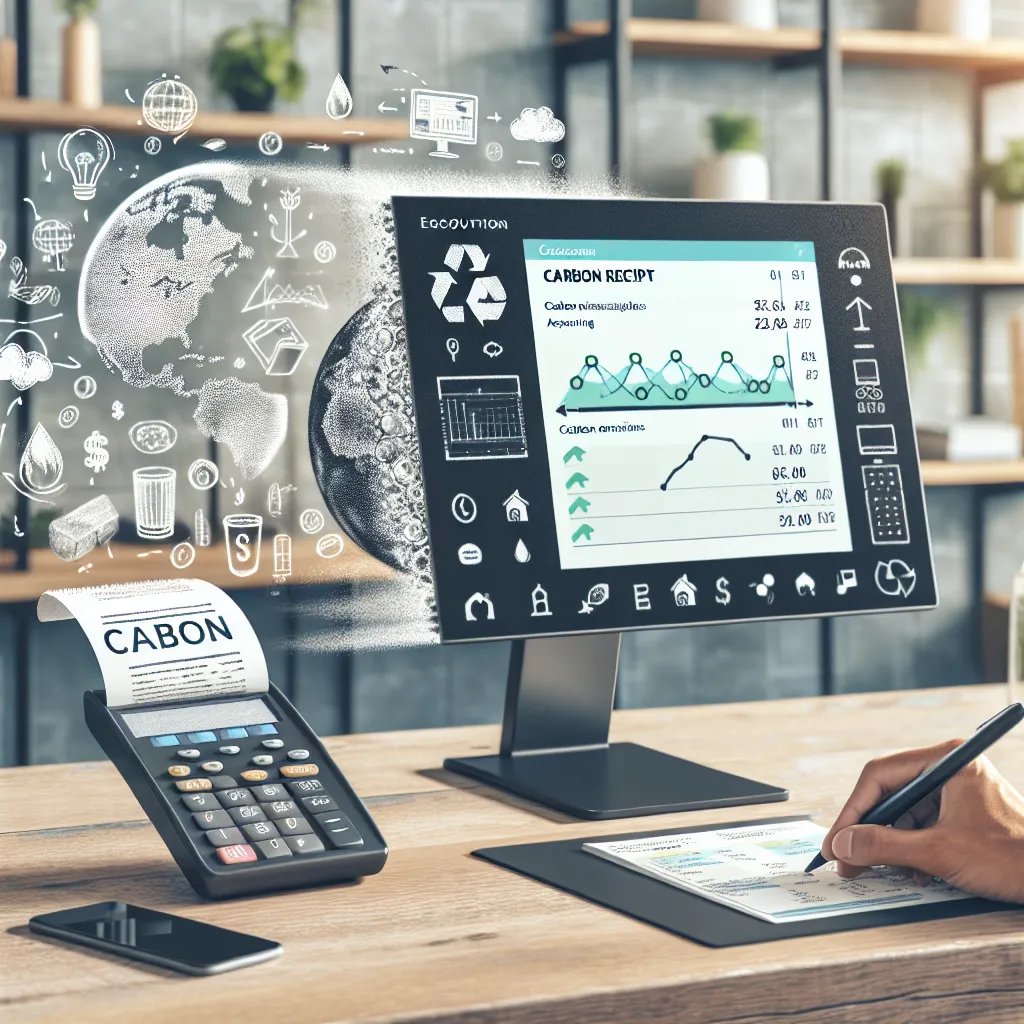
Sustainability-conscious businesses want to reduce their footprint but don’t know where to start. This startup automatically integrates with a business’s accounting software and POS system to calculate and attach a “carbon receipt” to each transaction. It estimates emissions related to goods purchased, energy used, or services rendered. The system offers reduction suggestions and lets businesses offset their impact with verified carbon credits—all seamlessly embedded into their workflow.
Description
No additional description provided.
The Pitch
As climate change becomes an urgent concern, businesses, driven by both regulatory pressures and consumer expectations, are seeking ways to demonstrate their commitment to sustainability. Despite the willingness of many companies to contribute, the pathway to establishing effective carbon management processes remains unclear. Traditional methods are often cumbersome, costly, and disconnected from daily operations.
Problem: The primary issue faced by businesses is the lack of integrated solutions that seamlessly measure and manage their carbon emissions. They encounter challenges in understanding the carbon impact of their operations, making informed decisions on reduction strategies, and accessing credible carbon credit options. Furthermore, the existing solutions are often not user-friendly, require manual data input, and are not integrated into the routine business workflow.
Solution: The proposed solution addresses these challenges by seamlessly integrating with existing accounting software and POS systems. By attaching a carbon receipt to each transaction, businesses gain immediate insights into the emissions attributable to goods purchased, energy used, or services rendered. Equipped with this information, businesses can make informed decisions about reducing their footprint. The system also offers suggestions for emission reduction and provides options to offset impacts using verified carbon credits.
Product Details: 1. Automated Integration: The system integrates directly with popular accounting software and POS systems, ensuring a seamless workflow without disrupting existing processes. 2. Real-time Emission Estimates: Each transaction generates a carbon receipt that details the estimated carbon emissions associated with it. 3. Reduction Suggestions: The platform analyzes the gathered data to provide specific, actionable suggestions for reducing emissions. 4. Carbon Credit Offsetting: Businesses have the option to purchase verified carbon credits directly through the platform to offset their emissions. 5. User-friendly Interface: Designed for ease of use, allowing businesses of all sizes to access and utilize the system effectively without requiring extensive training.
Tools for MVP Launch: - Use cloud-based infrastructure such as Amazon Web Services or Microsoft Azure for scalability. - Utilize APIs to facilitate integration with major accounting systems like QuickBooks or Xero and POS systems like Square or Shopify. - Implement a robust analytics engine using tools like Python or R for accurate emission calculations. - Front-end development using frameworks like React or Angular for an intuitive user interface.
Go-To-Market (GTM) Strategy: 1. Target Audience: Initially, small to medium-sized enterprises (SMEs) that are keen on sustainability practices. 2. Partnerships: Collaborate with accounting software and POS system providers for marketing and integration support. 3. Digital Marketing: Utilize SEO, content marketing, and social media campaigns to raise awareness about the solution. 4. Pilot Program: Launch a pilot program to gather initial feedback and testimonials from early adopters. 5. Events and Webinars: Host educational events and webinars about the importance of carbon management and the capabilities of the system.
Business Model: 1. Subscription-Based: Offer tiered subscription packages based on business size and feature needs, providing a steady revenue stream. 2. Transaction Fees: Apply a small fee on carbon credit transactions processed through the platform. 3. Freemium Model: Provide basic features for free to capture a broad user base, with premium features available under a paid plan. 4. Consulting Services: Offer personalized carbon management consulting for an additional fee, leveraging the platform's insights.
Conclusion: The Carbon Receipt Solution addresses a critical need in the market by providing an integrated, user-friendly, and practical tool for businesses looking to enhance their sustainability efforts. With a clear understanding of the problem and a robust approach to solving it, the proposed solution is well-positioned to make a significant impact in the realm of corporate sustainability. By providing businesses with the tools to comprehend, reduce, and offset their carbon footprint, this innovative platform empowers them to contribute to a more sustainable future.