Augmented Reality for Electronics Shopping Confidence
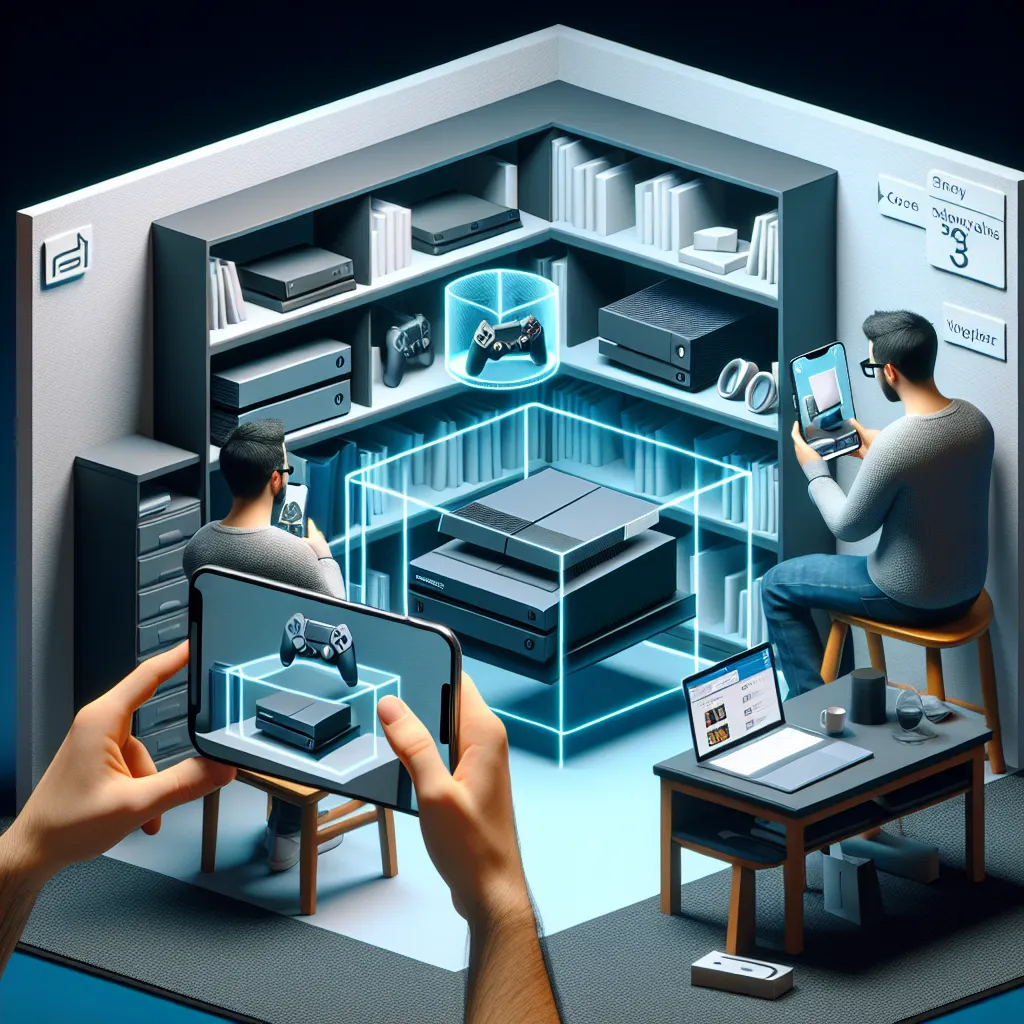
Buying electronics online still feels like a gamble. Shoppers can’t visualize how a monitor fits their desk setup or how loudspeakers look in their living room. This uncertainty leads to hesitation, over-researching, and higher return rates. The solution: a web-based AR platform built specifically for electronics — allowing consumers to drop a 3D-rendered version of a product into their physical space using their phone. Imagine seeing how a PS5 fits on your shelf or testing laptop screen size on your desk before purchase. With 75% of Snapchatters already using AR for discovery and shopping confidence, this kind of tool can convert browsing into buying while reducing buyer’s remorse.
Description
No additional description provided.
The Pitch
In today's digital shopping landscape, purchasing electronics online often feels like a risky venture. Shoppers face uncertainty as they try to visualize how a new monitor might fit into their workspace, or how a pair of speakers would complement their living room decor. This lack of tangible interaction can result in hesitation, excessive comparison shopping, and increased product returns.
To address this issue, an innovative solution presents itself: a web-based augmented reality platform designed specifically for electronics. This platform would empower consumers to visualize 3D-rendered versions of electronic products in their actual physical spaces via their smartphones. Picture the convenience of seeing how a PlayStation 5 fits on your entertainment center or assessing how a laptop's screen size suits your desk—all before making a purchase.
Augmented reality has already proven its potential, with around 75% of Snapchat users engaging with AR for product discovery and shopping confidence. By incorporating such technology, this platform could effectively convert casual browsing into confident buying, while simultaneously reducing post-purchase dissatisfaction.
For those interested in bringing this concept to life, the following outlines the path to building and launching this AR platform:
1. **Backstory**: Online electronics shopping is fraught with uncertainty, leading to prolonged decision-making and increased return rates. Consumers need a more immersive way to evaluate products before purchasing.
2. **Problem**: Shoppers struggle with visualizing how electronic products will fit and function in their personal spaces, resulting in hesitation and regretful purchases.
3. **Solution**: A web-based augmented reality platform that allows users to place 3D models of electronic products in real-world environments using their smartphones, providing a realistic sense of size, design, and compatibility.
4. **Product Details**: - Feature a vast library of 3D-rendered electronic items. - Enable smartphone AR capabilities without requiring app downloads. - Offer intuitive product interaction, such as rotation, scaling, and movement. - Include purchase links to online retailers.
5. **Tools for MVP Launch**: - Use platforms like ARKit (iOS) and ARCore (Android) to build AR features. - Leverage WebAR technologies to bypass app downloads. - Utilize 3D modeling tools such as Blender or SketchUp. - Integrate with e-commerce systems via APIs for seamless transactions.
6. **Go-to-Market Strategy**: - Partner with electronics retailers to include AR features on product pages. - Launch targeted social media campaigns showcasing the AR experience. - Collaborate with tech influencers to demonstrate the platform's value. - Offer limited-time promotions or discounts for first-time users to boost initial adoption.
7. **Business Model**: - Freemium model: offer basic AR visualizations for free, with premium subscription tiers for advanced features (e.g., enhanced interactivity, personalized room settings). - Commission-based revenue from partnered retailers or affiliate sales. - Branded AR content creation services for manufacturers wanting exclusive 3D models.
By combining cutting-edge technology with consumer-centric design, this augmented reality platform has the potential to revolutionize the electronics shopping experience. It promises to bridge the gap between online and in-person shopping, reducing uncertainty and fostering more confident purchase decisions.