Audience Insight Tool for Content Creators
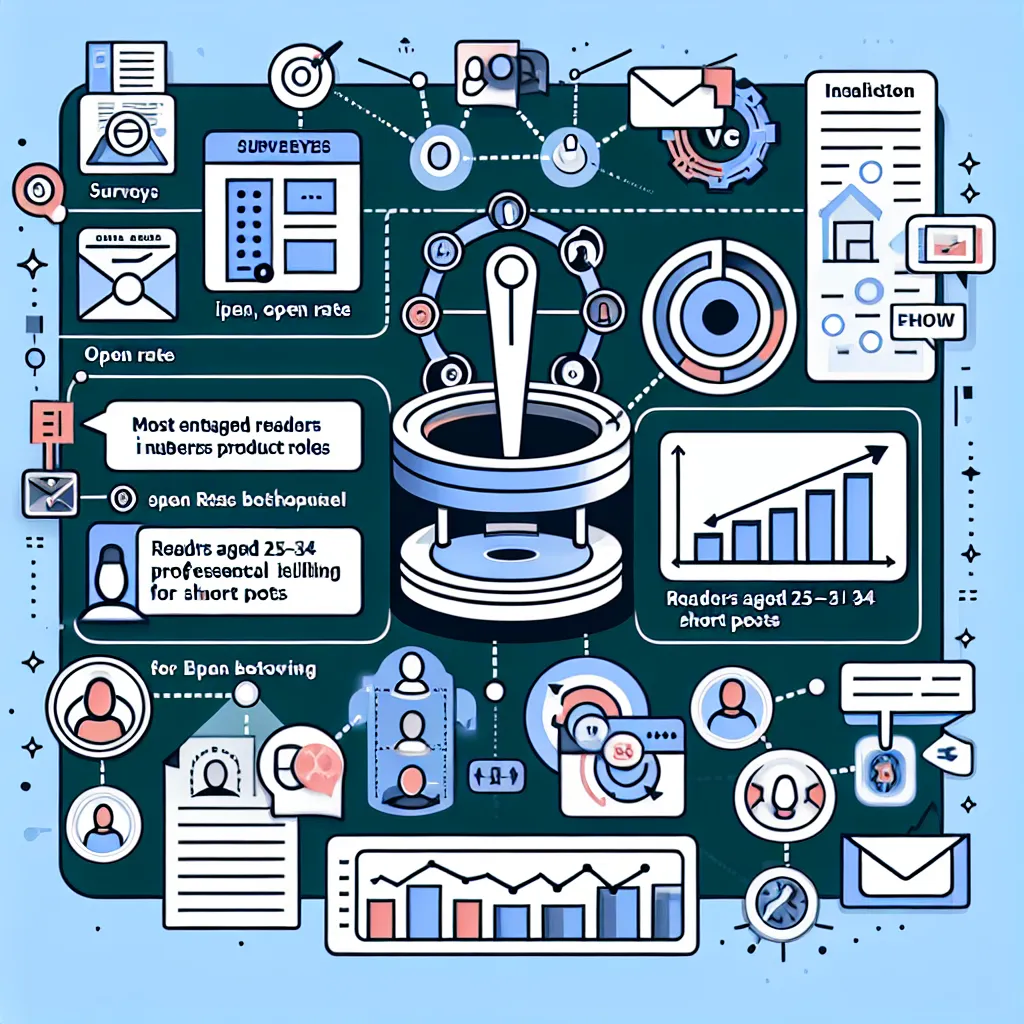
Writers often guess what their audience wants. A lightweight tool could pull in data from surveys, open rates, and click behavior, then surface insights like “Your most engaged readers are in product roles” or “Readers aged 25–34 prefer short posts.” It would help creators align topics with reader interest—and grow faster. Most content platforms lack this intelligence layer. This could sit on top of newsletters, blogs, or even LinkedIn.
Description
No additional description provided.
The Pitch
Content creators face a significant challenge: understanding their audience's preferences and behaviors. Many writers and content producers labor under assumptions, often guessing at what their audience wants and needs. Traditional content platforms lack the tools to provide comprehensive insights into audience engagement. With the proliferation of digital media, the demand for a data-driven approach to content creation has never been higher. This unmet need presents an opportunity for an innovative solution tailored to content creators looking to enhance their work's relevance and reach.
**Problem**
The primary problem is the lack of actionable insights for content creators to align their material with audience interests. Most content platforms do not provide a robust intelligence layer that synthesizes data from various sources to offer a comprehensive understanding of audience engagement. Without this, creators struggle to optimize their content strategy, leading to missed opportunities for growth and engagement. This knowledge gap results in inefficiencies, with creators spending time on content that may not resonate with their audience.
**Solution**
The proposed solution is a lightweight analytical tool that integrates with existing content platforms such as newsletters, blogs, and professional networking sites like LinkedIn. This tool will aggregate data from surveys, open rates, and click behavior, then use this information to generate insights. These insights will include details such as “Your most engaged readers are in product roles” or “Readers aged 25–34 prefer short posts.” By providing these insights, the tool empowers creators to tailor their content more effectively, enhancing their ability to engage and grow their audience.
**Product Details**
- **Data Integration**: The tool will easily integrate with various content platforms, collecting data from multiple points. - **User-Friendly Dashboard**: A dashboard will present insights in an accessible format, ensuring all creators, regardless of data analysis proficiency, can understand and apply the information. - **Customized Insights**: The platform will offer customizable settings, allowing users to highlight the most relevant metrics for their specific audience. - **Actionable Recommendations**: Beyond basic analytics, the tool will provide actionable recommendations, guiding users on content strategies. - **Scalable Architecture**: Built with scalability in mind, the tool can grow alongside the user's audience and needs.
**Tools for MVP Launch**
- **Surveys & Feedback**: Utilize tools like Google Forms or SurveyMonkey to gather initial user feedback during prototype testing. - **Analytics Platforms**: Integrate with platforms like Google Analytics to collect initial engagement data. - **Dashboard Development**: Consider using tools such as Tableau or Microsoft Power BI for creating the initial dashboard interface. - **Cloud Services**: Use AWS or Google Cloud for scalable hosting solutions. - **Integration APIs**: Utilize APIs from email marketing services and social media platforms for seamless data collection.
**Go-To-Market Strategy**
1. **Targeted Outreach**: Focus on reaching content creators, bloggers, and small to medium-sized media companies through specialized online communities. 2. **Partnerships**: Form partnerships with popular content platforms and tools to increase visibility and credibility. 3. **Freemium Model**: Start with a freemium model to attract users, allowing them to upgrade to premium features as they recognize the tool's value. 4. **Content Marketing**: Develop a content series or blog demonstrating the insights and value the tool can provide. 5. **Webinars and Workshops**: Offer educational webinars to teach potential users about the power of data-driven content strategy.
**Business Model**
Adopt a subscription-based model, offering various tiers of service. The basic tier, free of charge, will offer essential insights, while higher tiers will provide advanced analytics, custom recommendations, and priority customer support. The premium tiers could also offer additional features such as personalization algorithms and more detailed demographic breakdowns, appealing to larger entities with more complex needs. Optional premium consulting services can add a supplementary revenue stream, providing users tailored advice on leveraging insights for business benefits.