At-Home Microclot Detection Kit for Stroke Prevention
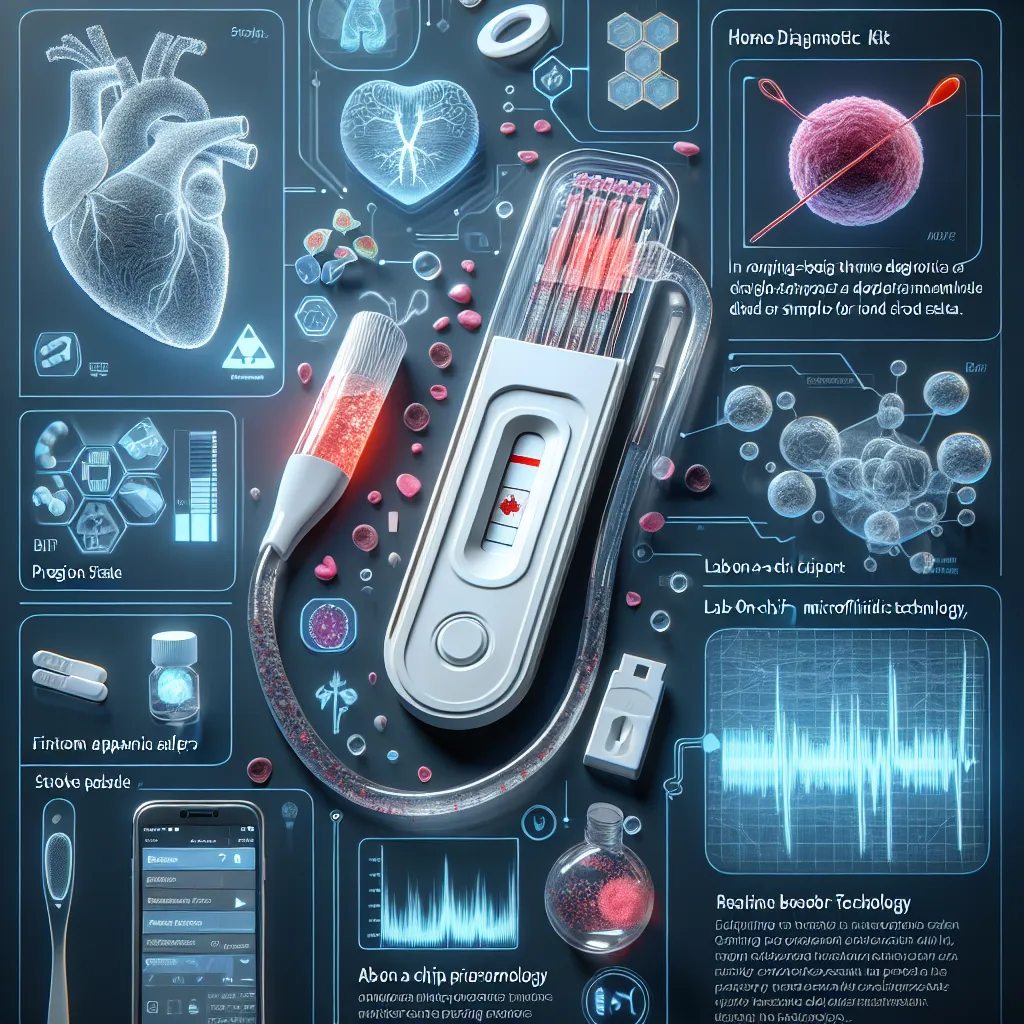
Current stroke prevention strategies rely on broad population-level guidelines and expensive, reactive lab tests. There is no simple, affordable home diagnostic to monitor blood clot risk, despite it being the leading cause of ischemic strokes. A groundbreaking solution would be an at-home microclot detection kit — a “pregnancy test” for clotting. Using a finger-prick and lab-on-a-chip microfluidic tech, users could measure clotting factors and viscosity from a simple blood sample, syncing results to an app for immediate risk analysis. Microfluidic assays are advancing rapidly, and post-COVID, consumer trust in home diagnostics has soared. With heart disease and stroke being top killers, a home test enabling early intervention could save millions. Imagine patients testing clot risk quarterly at home, receiving real-time feedback and alerts to visit a doctor long before symptoms appear, democratizing access to stroke prevention.
Description
No additional description provided.
The Pitch
In the current landscape of healthcare, stroke prevention heavily relies on generic guidelines and costly, often reactive lab tests. Despite being a leading cause of ischemic strokes, there's a noticeable gap in simple, affordable diagnostic tools for monitoring blood clot risk from the comfort of one’s home. Addressing this critical need, we propose an innovative solution: an at-home microclot detection kit.
Backstory: Ischemic strokes, largely caused by abnormal blood clots, are a significant health challenge globally. The lack of proactive and accessible monitoring tools for blood clot risk means that many individuals remain unaware of their condition until it escalates into a severe health crisis. Traditionally, lab tests for evaluating blood clot risk are expensive and require a visit to a healthcare facility. However, with advancements in technology, there’s a growing opportunity to shift this paradigm.
The Problem: The primary issue lies in the absence of a simple, cost-effective, and home-based diagnostic tool to assess blood clot risk. Current methods not only pose financial and logistical barriers but also fail to provide real-time insights, delaying potential preventive actions. This gap in monitoring predisposes individuals to ischemic strokes, a condition that could be mitigated with early detection and intervention.
The Solution: Introducing an at-home microclot detection kit, akin to a pregnancy test for blood clotting. By leveraging finger-prick technology and lab-on-a-chip microfluidic advancements, this kit allows users to measure clotting factors and blood viscosity effortlessly. The data is then synced to a user-friendly app, providing immediate risk analysis and personalized feedback.
Product Details: 1. **User-Friendly Design**: A compact, portable kit enabling ease of use at home with a simple finger-prick method. 2. **Microfluidic Technology**: Cutting-edge lab-on-a-chip technology that accurately analyzes clotting factors and viscosity from minimal blood sample volumes. 3. **Mobile App Integration**: A seamless app that syncs with the device, offering real-time risk assessment, alerts, and personalized recommendations. 4. **Regular Monitoring**: Encourages quarterly testing, helping users stay informed and proactive about their health.
Tools for MVP Launch: 1. **Prototype Development**: Utilize platforms like Arduino for initial hardware prototypes, and software environments like MATLAB or LabVIEW for developing microfluidic assays. 2. **App Development**: Use frameworks like React Native or Flutter for cross-platform mobile app development. 3. **User Testing**: Implement beta testing phases with selected participants to gather feedback and refine the product.
GTM Strategy: 1. **Target Market Identification**: Focus on individuals with a family history of stroke, elderly populations, and high-risk groups. 2. **Partnerships**: Collaborate with healthcare providers and insurance companies to broaden access and credibility. 3. **Education Campaigns**: Launch awareness initiatives emphasizing the importance of proactive stroke prevention through media and social channels. 4. **Influencer Collaborations**: Partner with health influencers to reach wider audiences and build trust.
Business Model: 1. **Direct-to-Consumer Sales**: Offer the product through an e-commerce platform with a subscription option for regular supplies. 2. **B2B Partnerships**: Establish partnerships with clinics and healthcare facilities for bulk purchases. 3. **Insurance Integration**: Work with insurance companies to include the kit as a covered preventive measure. 4. **Data Insights**: Provide anonymized health trend data to research institutions, contributing to broader stroke prevention studies (ensuring compliance with data protection regulations).
Conclusion: The at-home microclot detection kit represents a transformative leap in the way we approach stroke prevention. By empowering individuals with the tools for early detection and intervention, we can significantly reduce the prevalence of ischemic strokes and enhance the quality of life for millions globally.