At-Home Infant Immune Tracker
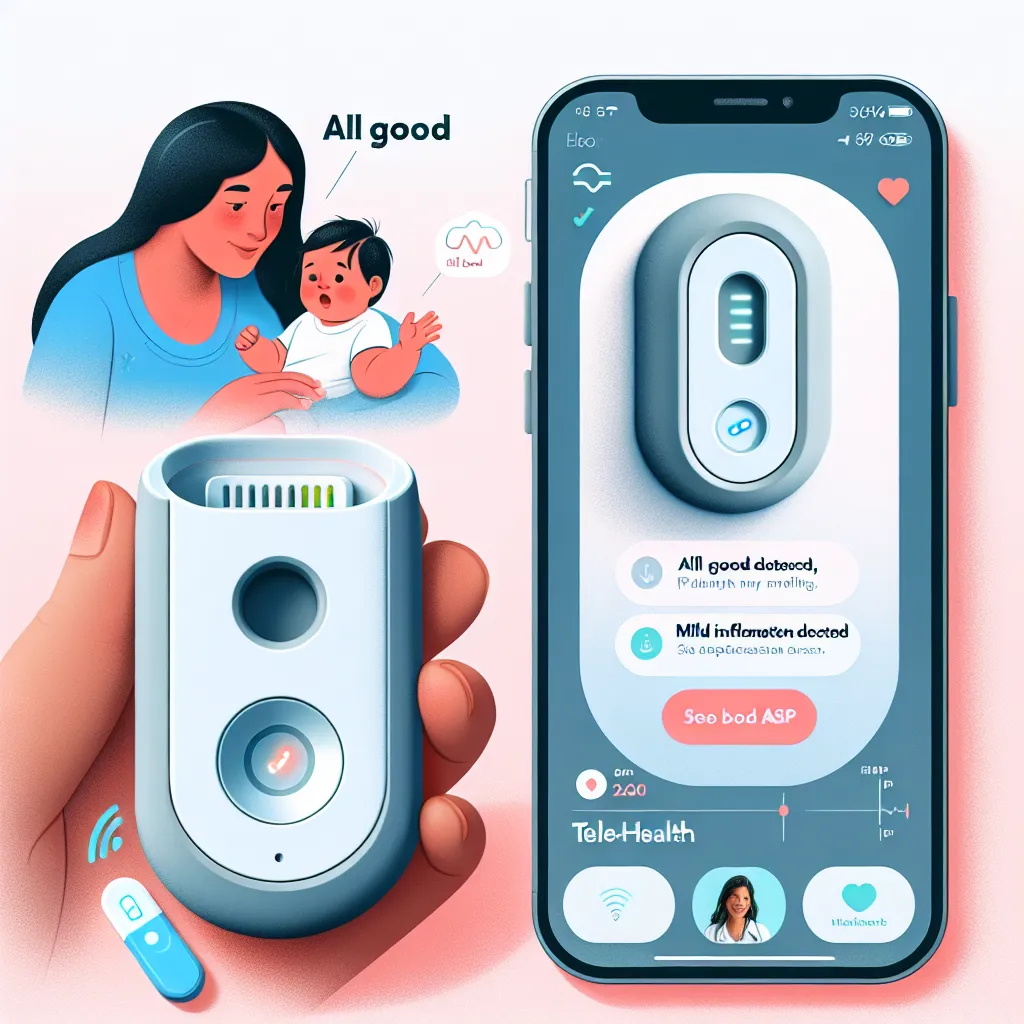
Parents of high-risk or premature babies often leave the hospital with little visibility into how their child’s immune system is functioning — even as early infections or immune disorders can develop post-discharge. This startup would create a compact, at-home diagnostic device (built on microfluidic profiling like BLIPI) that uses a tiny blood or saliva sample to monitor immune activity. The device connects to a mobile app that interprets results in plain language (“all good,” “mild inflammation detected,” “see pediatrician ASAP”) and can link directly to pediatric care. Why now? Consumer health tech and telehealth have gone mainstream, but pediatric immune monitoring hasn’t followed. Example: a 2-week-old baby develops a slight fever; the parent runs the test and sees an early immune alert, triggering a video consult and antibiotic prescription before things escalate. It’s the Owlet of immune health — but with real diagnostic power.
Description
No additional description provided.
The Pitch
In recent years, the advent of consumer health technology and telehealth has dramatically enhanced the way health information is accessed and analyzed at home. However, despite these advancements, there remains a significant gap in pediatric health monitoring, particularly when it comes to understanding and tracking the immune health of high-risk or premature infants. This gap presents an opportunity to innovate and provide parents with essential tools to ensure the well-being of their newborns as they transition from hospital to home.
Backstory: Parents of high-risk or premature infants often leave the hospital concerned about the potential for early infections or immune disorders, yet without adequate resources to monitor their child’s immune system at home. The lack of visibility into immune activity can lead to anxiety and delayed medical intervention, which, for this vulnerable group, can have significant consequences. This stark reality highlights the need for a reliable and accessible method to monitor the immune health of these infants outside the clinical setting.
Problem: Current healthcare solutions do not offer an at-home diagnostic tool specifically designed to monitor the immune activity of infants. Parents are left to rely on general symptoms, such as fever or discomfort, which may be too subtle or generic to prompt immediate action. This lack of real-time, specific data can result in delayed treatment, potentially escalating minor issues to critical health threats.
Solution: To address this need, we propose the development of an at-home diagnostic device that utilizes microfluidic profiling to provide parents with an accurate assessment of their child's immune health. Utilizing a small blood or saliva sample, the device offers a non-invasive and straightforward approach to monitor immune activity. The test results sync with a mobile app to deliver easy-to-understand interpretations, such as pointing out normal immune function, detecting mild inflammation, or signaling the need for immediate pediatric consultation. By providing direct insights and timely alerts, this device could play a crucial role in proactive healthcare for infants.
Product Details: The proposed product is a compact diagnostic device that seamlessly integrates microfluidic technology to offer quick and precise immune profiling. The key features of the device include: - Simple collection of biological samples (blood or saliva) at home. - Fast processing time with results available within minutes. - User-friendly mobile app interface that translates complex data into straightforward advice. - Direct connection to telehealth services for immediate communication with pediatricians. - Secure data storage to track historical immune activity and identify trends.
Tools for MVP Launch: An MVP for this concept can be developed efficiently using existing tools and technologies to bring the product to market swiftly. Key steps include: - Collaborating with experts in microfluidic technology to design a functional prototype. - Developing a mobile app with standard health tech APIs to ensure seamless data management and user experience. - Utilizing cloud platforms like AWS or Google Cloud for data storage and security. - Partnering with telehealth providers to incorporate real-time consultation capabilities.
Go-To-Market Strategy: The product’s introduction to the market should focus on the following phases: 1. Initial Launch: Target neonatal intensive care units (NICUs) and pediatric clinics to gain professional endorsements and establish credibility. 2. Consumer Outreach: Develop partnerships with parenting networks and organizations to spread awareness among potential users through workshops, webinars, and demonstrations. 3. Digital Marketing: Leverage online platforms to reach parents by focusing on social media, search engine marketing, and content marketing strategies.
Business Model: The business model can be subscription-based, where users pay a monthly fee to access the diagnostic service and app features. Additional revenue streams could include: - Selling the device as a one-time purchase. - Offering premium services for telehealth consultations or extended data storage. - Partnering with healthcare providers and insurance companies to cover the device as part of health plans.
By creating this product, we aim to empower parents with critical information, reduce healthcare inefficiencies, and improve the health outcomes for newborns where early detection and intervention are imperative.