At-Home HIV Prevention: Accessible, Discreet, Empowering
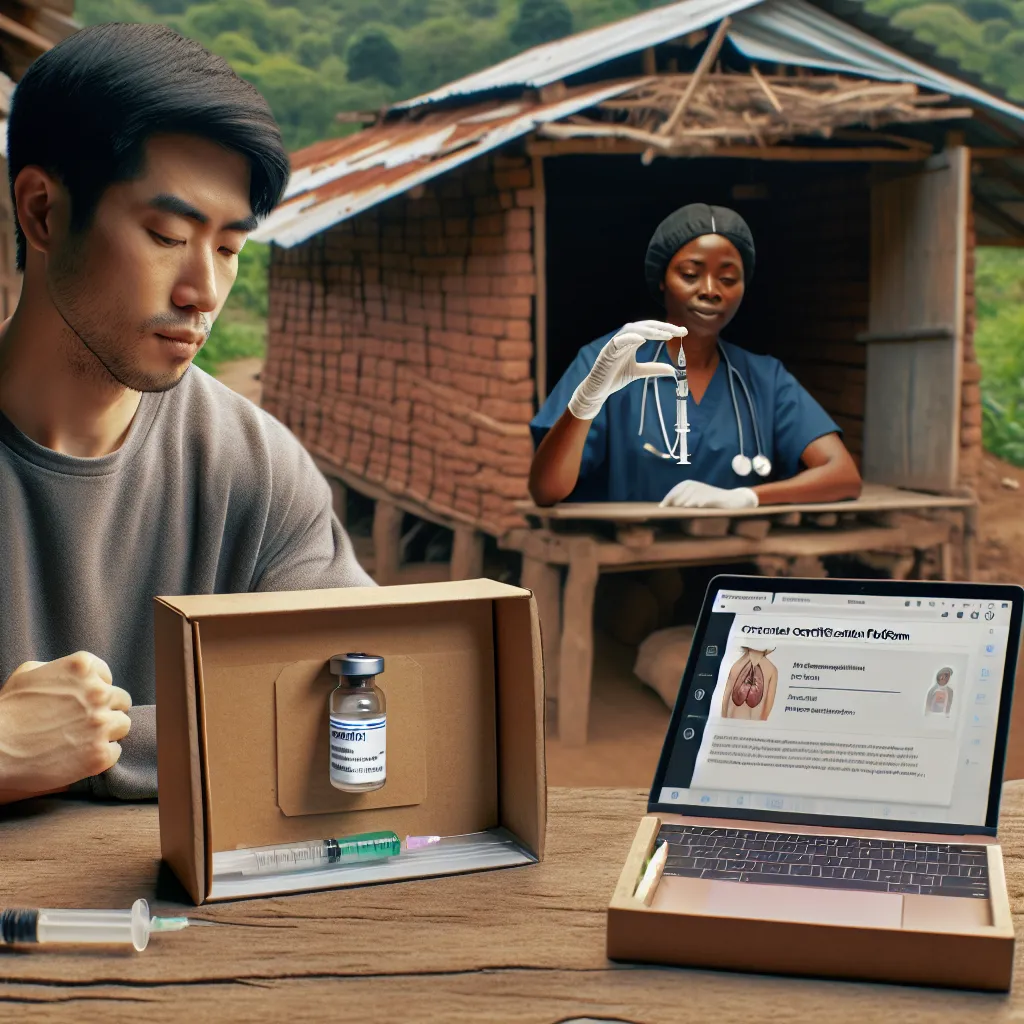
Millions struggle with stigma or lack of access to clinics, making consistent HIV prevention difficult—especially for those in rural or marginalized communities. A startup offering at-home injection kits, combined with virtual nurse-led certification and follow-up, could dramatically expand access. With FDA approval of lenacapavir, a bi-annual injection, the barrier of daily adherence is removed—but only if people can get the shot. Now is the perfect time to build this layer: the product exists, but delivery is still system-bound. Think of it like Nurx meets Hims for HIV PrEP. Example: A young man in rural Alabama gets certified online, receives the injection pack discreetly, and administers it safely—without missing work or outing himself at a clinic.
Description
No additional description provided.
The Pitch
Access to HIV prevention remains a significant challenge, especially for individuals in rural or marginalized communities who may face stigma or logistical barriers to visiting clinics. This concept aims to revolutionize HIV prevention by providing at-home injection kits complemented by virtual nurse-led certification and follow-up, making it easier for people to access and adhere to preventive treatment.
Backstory: The introduction of preventive HIV medications like lenacapavir, an FDA-approved bi-annual injection, has significantly reduced the barrier of daily adherence for those requiring HIV prevention. However, the accessibility of these treatments is still limited by the need for clinical visits, which can be cumbersome, stigmatizing, and inaccessible for many. By allowing individuals to administer these injections at home, we can dramatically expand access, improving both health outcomes and quality of life for those at risk.
Problem: Many individuals face obstacles in accessing HIV prevention, including stigma, a lack of nearby healthcare facilities, inconvenient clinical hours, and privacy concerns. These barriers can lead to inconsistent adherence to preventive treatments, undermining efforts to reduce HIV transmission rates.
Solution: An at-home injection kit service can address these obstacles by:
1. Providing discreet delivery of injection kits directly to individuals' homes. 2. Offering virtual nurse-led certification and consultations to ensure safe self-administration. 3. Enhancing privacy by eliminating the need to visit public clinics. 4. Removing logistical barriers, allowing users to receive treatment without taking time off work or traveling long distances.
Product Details: The service would include:
1. An online platform for users to sign up, complete consultations, and receive certification for self-administration. 2. A certified at-home injection kit, discreetly packaged and delivered, containing all necessary materials and instructions for safe use. 3. Access to 24/7 virtual nurse support for any questions or follow-up care. 4. A subscription model for timely re-delivery of kits aligned with the bi-annual treatment schedule.
Tools for Launching an MVP:
1. Telehealth Platforms: Utilize existing telehealth services for virtual nurse consultations and certification processes. 2. Logistics and Delivery Partners: Collaborate with specialized healthcare logistics companies for the secure, discreet delivery of injection kits. 3. Regulatory Consultation: Engage with healthcare regulatory experts to ensure compliance with FDA and state-level regulations. 4. E-commerce Solutions: Develop a user-friendly online platform for product orders, subscription management, and customer support.
Go-To-Market (GTM) Strategy: 1. Partnerships with HIV advocacy groups and healthcare providers for increased reach and credibility. 2. Targeted digital marketing focused on communities with limited access to conventional healthcare services. 3. Educational campaigns focused on reducing stigma and promoting the benefits of at-home preventive care. 4. Pilot programs in select rural or underserved areas to refine operations and gather user feedback.
Business Model: 1. Subscription-based revenue model, providing steady income through bi-annual injections. 2. Tiered service offerings, such as additional support or premium packaging for users needing personalized care. 3. Partnership opportunities with healthcare programs or insurance providers to subsidize costs for low-income individuals.
Conclusion: This innovative approach to HIV prevention has the potential to break down existing barriers, providing individuals with greater autonomy and privacy while adhering to preventive treatment regimens. By launching an accessible, home-based service, we aim to make significant strides towards reducing HIV transmission and improving public health outcomes.