AR/VR Advertising Network for Wearables
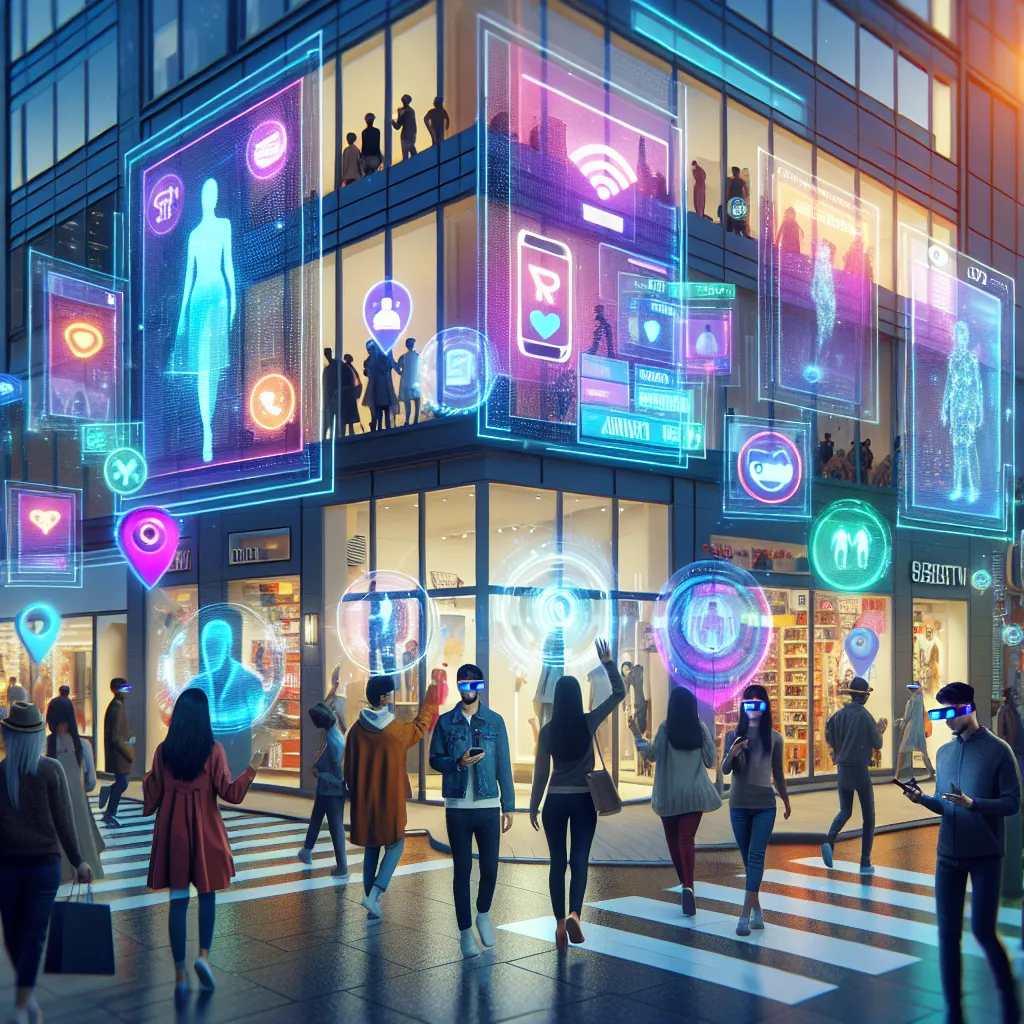
An advertising network specifically designed for AR/VR wearables, allowing brands to display interactive ads within mixed-reality environments. This could include product placements, voice-triggered interactions, or location-based promotions.
Description
No additional description provided.
The Pitch
With the rapid development of AR/VR wearables, such as Meta’s Orion glasses and Apple’s Vision Pro, the adoption of these technologies is expected to increase exponentially over the next decade. However, traditional advertising models do not translate well into immersive environments. Current digital ad networks focus on screens—smartphones, tablets, or desktops—using display ads, video ads, and pop-ups. None of these are effective or suitable for mixed-reality experiences, where user attention is distributed across both virtual and real-world environments.
The gap is clear: there is no specialized advertising network optimized for AR/VR wearables. This creates an opportunity to develop a new form of ad network that leverages the interactive and contextual capabilities of AR/VR technology, enhancing user experience while providing a platform for brands to engage consumers in more meaningful ways.
2. Solution Overview:
The AR/VR advertising network would provide a platform for brands to display interactive and contextually relevant ads within mixed-reality environments. Key features include:
Product Placements: Brands can insert virtual products into a user's AR environment, making it appear as if they are physically present. For example, a virtual soda can might appear on a user’s desk during an AR experience.
Voice-Triggered Interactions: Users can interact with ads via voice commands. For instance, if a user sees a virtual billboard for a shoe brand in their AR view and says, "Tell me more," the system could display additional product details, reviews, or even a 3D model of the shoes.
Location-Based Promotions: Using geolocation data, the platform can display promotions or ads that are relevant to the user's physical location. For instance, when walking past a restaurant, a virtual sign offering a discount could appear in the user’s AR view.
Immersive Storytelling Ads: Instead of static ads, brands can create immersive experiences, such as a 30-second AR game or an interactive narrative that users engage with.
3. Target Market and Early Adoption:
The primary market for this ad network includes brands and advertisers targeting tech-savvy consumers, particularly those in the gaming, fashion, automotive, and retail sectors. Early adopters would likely include:
Brands experimenting with AR/VR marketing: Companies like Nike, IKEA, and Meta have already shown interest in using AR for marketing purposes. Advertising agencies specializing in immersive experiences: Agencies that develop campaigns for experiential marketing will see value in such a network. AR/VR developers: Partnerships with developers creating apps for AR/VR wearables can ensure the ad network’s integration from the ground up. 4. Go-to-Market Strategy (GTM):
The GTM strategy would be rolled out in three phases:
Phase 1: MVP Development and Testing
Build a minimal viable product (MVP) that integrates basic ad placements and voice interactions. Partner with a few AR/VR app developers to test the integration and receive feedback. Use initial testing to build a library of case studies showcasing how interactive ads increase engagement compared to traditional ads. Phase 2: Strategic Partnerships and Expansion
Establish partnerships with major AR/VR hardware companies like Meta and Apple to ensure smooth integration into their platforms. Collaborate with pioneering brands interested in creating immersive ad campaigns. Offer reduced rates or revenue-sharing models to encourage early participation. Attend industry events like CES and SXSW to showcase the platform’s potential to advertisers and tech companies. Phase 3: Full Commercial Launch and Scaling
Launch the platform to a broader audience, supported by a marketing campaign targeting brands, advertisers, and AR/VR developers. Expand the network by onboarding more developers and integrating into a larger range of AR/VR apps. Develop a self-service portal for advertisers to design and deploy their own immersive ads, similar to Google Ads but with AR/VR capabilities. 5. Business Model:
The business model would be similar to traditional ad networks but with a few modifications:
Cost-Per-Engagement (CPE): Advertisers are charged based on user interactions with the ads, such as voice commands, viewing duration, or engagement with a 3D model.
Revenue-Sharing with Developers: Offer a revenue share to developers who integrate the ad network into their AR/VR applications. This incentivizes app developers to partner with the network and incorporate ads into their experiences.
Subscription Model for Brands: Offer subscription tiers for brands based on the complexity and reach of their ads. Higher tiers would include advanced features such as personalized interactions, data analytics, and premium support.
6. Potential Challenges:
User Experience and Acceptance: Users may find ads in immersive environments intrusive if not handled correctly. The design must prioritize user experience and blend ads seamlessly into the environment.
Technical Limitations: Current AR/VR wearables may have hardware and software limitations, making it difficult to run advanced ad formats. Ensuring compatibility across different devices will be crucial.
Privacy Concerns: Collecting location-based data and using voice recognition could raise privacy concerns. The platform must be transparent about data usage and offer users control over what data is shared.
7. Competitive Landscape and Differentiation:
Currently, no dominant player exists specifically for AR/VR advertising networks. Competitors like Google and Meta are working on advertising solutions for VR platforms, but these are largely limited to traditional ad formats like banners and pop-ups within VR spaces. The proposed network’s focus on interactivity, voice integration, and contextual ads will set it apart.
8. Long-Term Vision:
The long-term vision is to establish the network as the standard for immersive advertising, expanding beyond AR/VR wearables into future smart environments. This could include holographic displays, smart contact lenses, and more, allowing brands to interact with users in any augmented or virtual space.
This vision, coupled with a focus on user experience and technical partnerships, positions the AR/VR ad network as a future leader in immersive advertising.