AR Utility Layer: Persistent Brand Engagement Tool
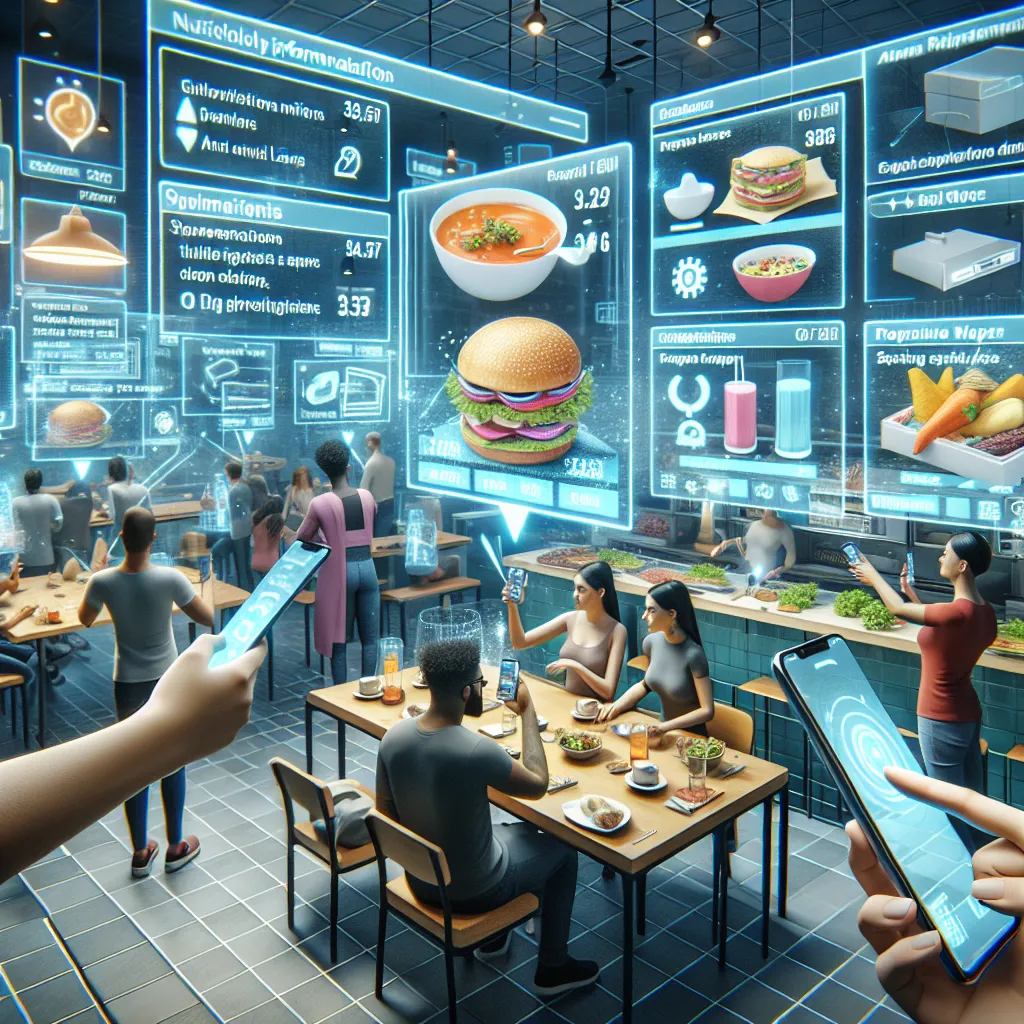
Most AR marketing is novelty-driven: filters, lenses, try-ons. What’s missing is persistent AR utility. AR Utility Layer lets brands publish lightweight, persistent AR overlays tied to real-world locations or objects — not campaigns. Think: point your phone at a restaurant menu and see nutrition, sourcing, or reviews; point at a product and see repair tips or resale value. Brands don’t “run AR ads” — they maintain AR layers that customers repeatedly use. The moat isn’t impressions; it’s becoming the default AR reference for a category.
Description
No additional description provided.
The Pitch
The world of augmented reality (AR) in marketing has largely been driven by novelty experiences—filters, lenses, and virtual try-ons. While these elements have their place, their impact is often fleeting and tied to short-term campaigns which quickly fade from consumer memory. The current AR landscape lacks a persistent utility that integrates into everyday consumer experiences. This concept explores a transformative solution: an AR Utility Layer Platform that allows brands to create enduring value through persistent AR overlays, linked to real-world locations or objects.
Backstory
The rapid growth of AR technology has opened up many possibilities for consumer engagement. However, the emphasis has been predominantly on one-off campaigns that prioritize immediate interaction over lasting utility. Brands are missing the opportunity to build enduring relationships through AR by offering ongoing value, rather than ephemeral impressions. There is a need for a platform that shifts the focus from gimmicks to utility, enabling brands to establish a new standard in customer interaction.
Problem Statement
Current AR solutions in marketing are heavily campaign-driven, which means their impact and relevance are often short-lived. Brands that invest in these AR experiences do not see sustained customer engagement post-campaign, resulting in limited return on investment. This novelty-based approach prevents AR from becoming a core aspect of a brand's interaction strategy, and there is little incentive for consumers to repeatedly engage with AR offerings beyond the initial novelty.
Solution
The AR Utility Layer Platform provides brands with the tools to create and maintain lightweight, persistent AR overlays connected to real-world items or locations. This platform allows users to point their phones at a specific object, such as a restaurant menu or a product, to access rich, contextual information, such as nutritional details, sourcing data, product reviews, repair tips, or resale values. Such a utility-focused AR experience encourages repeat engagement, turning AR from a one-time curiosity into a habitual resource.
Product Details
The AR Utility Layer Platform is designed to seamlessly integrate with existing brand infrastructures and offers the following features:
1. Persistent Overlays: Brands can develop ongoing AR experiences that are not tied to a campaign, ensuring sustained consumer engagement. 2. Real-world Interactivity: AR layers are linked to physical items or locations, enabling users to access relevant information effortlessly. 3. Customizable Experience: Brands can tailor the AR content to fit their identity and objectives, providing consumers with useful and engaging experiences. 4. Data Integration: The platform supports integration with existing data systems, ensuring that AR content is up-to-date and relevant. 5. User Analytics: Brands gain insights into consumer interactions and preferences, allowing for continuous improvement of the AR experience.
Tools for Easy Launch
To simplify the launch of an MVP (Minimum Viable Product), the following tools and resources can be utilized: - AR Development Kits: Leverage existing AR SDKs such as ARKit or ARCore for building overlays. - Cloud-Based Content Management: Use platforms that allow for easy updating of AR content. - API Integration: Seamlessly connect with other services to pull real-time data into AR experiences. - User Testing Platforms: Conduct user testing to gather feedback and refine the MVP.
Go-To-Market (GTM) Strategy
To successfully introduce the AR Utility Layer Platform to the market, the following GTM strategy can be employed: - Strategic Partnerships: Collaborate with industry leaders to showcase the potential of persistent AR within established networks. - Targeted Outreach: Focus on sectors where persistent information adds significant value, such as retail, hospitality, and consumer goods. - Case Studies: Develop compelling use-cases that demonstrate the benefits of persistent AR utility, attracting interest from potential clients. - Incentive Programs: Facilitate early adoption through strategic incentives, such as discounts or exclusive features for initial users.
Business Model
The AR Utility Layer Platform operates on a subscription-based model, providing brands with continuous access to platform features and support. Pricing tiers can be structured based on the scale of deployment, such as the number of overlays or data integration points. Additional revenue could be generated through premium services, such as advanced analytics, custom development, or consultation.
Conclusion
By shifting the focus from transient AR marketing campaigns to persistent utility, the AR Utility Layer Platform creates a unique value proposition for brands. This persistent AR layer not only enhances consumer interaction but also positions AR as a vital component of a brand's long-term engagement strategy. Through this platform, brands can cultivate lasting consumer relationships by delivering relevant, contextual, and useful AR experiences, differentiating themselves as leaders in innovative customer engagement.