AR Headset for Precise Internal Device Analysis
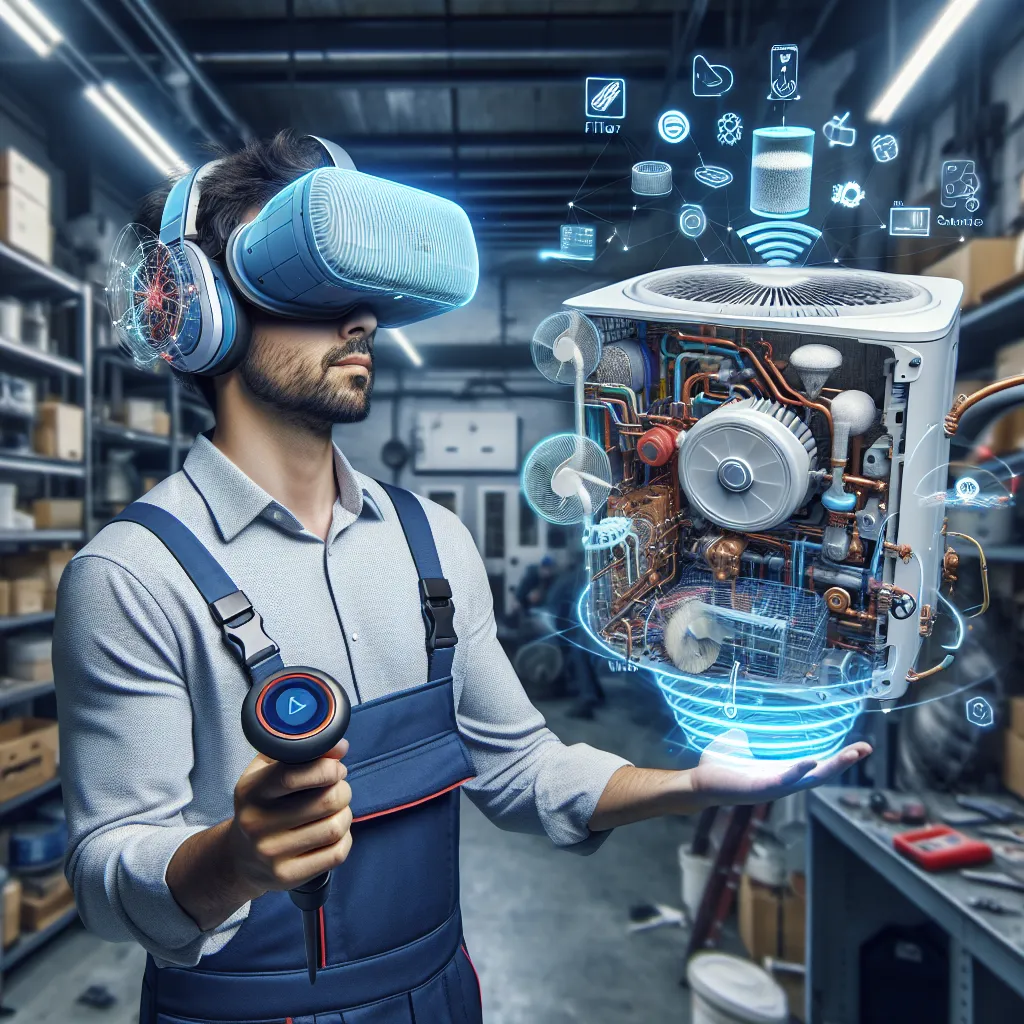
HVAC, appliance, or telecom field techs often guess what’s behind panels or inside devices before repair, wasting time and risking further damage. A startup can offer a mmNorm-powered AR headset that provides real-time reconstructions of internal shapes, overlaying them visually. By scanning objects through their casing or wall and using surface-normal modeling, the tech gets “x-ray vision” of what’s broken—without opening it first. This wasn’t possible before due to accuracy and size limitations. Now, a Wi-Fi-sized device paired with AR can offer spatial awareness of hidden shapes. For example, a cable technician could scan a smart TV mount and locate the precise bolt or wire anchor without removing the unit, finishing the job faster and more accurately.
Description
No additional description provided.
The Pitch
In the bustling realms of HVAC, appliance repair, and telecommunications, field technicians face a persistent challenge: diagnosing issues that lie hidden behind panels or within devices. The traditional approach often involves educated guesses, leading to extended repair times and potential damage from unnecessary intrusions. This common problem creates inefficiencies and increased costs across the industry.
The solution to this predicament lies in leveraging advanced technology that brings precision and efficiency to the field technician's toolkit. Imagine a startup offering an augmented reality (AR) headset powered by cutting-edge mmWave technology and surface-normal modeling, enabling technicians to visualize the internal structures of devices and systems in real-time. This technological innovation provides a form of x-ray vision, allowing technicians to identify issues without physically opening or dismantling equipment.
At the heart of this solution is a compact, Wi-Fi-sized device that scans objects through casings or walls. The device captures detailed spatial data, which is then processed by the AR headset to reconstruct and overlay the internal shapes and structures directly in the technician's field of view. This breakthrough offers unprecedented accuracy in troubleshooting and repair efforts, streamlining operations and reducing the risk of collateral damage.
For instance, a cable technician faced with installing or repairing a smart TV mount can now effortlessly scan the setup to detect the exact location of bolts or wire anchors. This capability not only speeds up the operation but also enhances precision, ensuring a high-quality service experience for customers.
To bring this innovative solution to market, the initial step involves building a Minimum Viable Product (MVP). Utilizing accessible development tools such as AR software platforms, 3D modeling applications, and mmWave sensor technologies can significantly ease the creation of a functional prototype. Collaborations with hardware manufacturers experienced in IoT devices would ensure high-quality production and integration.
A strategic Go-To-Market (GTM) approach is crucial for successful adoption. Targeting key industry players within the HVAC, appliance, and telecom sectors through partnerships and pilot programs can demonstrate the technology's value and effectiveness. Showcasing case studies with measurable improvements in service efficiency and accuracy will further convince potential clients of the benefits.
The startup's business model could revolve around a subscription-based service, offering both hardware and software solutions under a monthly or annual plan. This model ensures a steady revenue stream and supports continuous updates and customer support, enhancing the product's overall value proposition.
In summary, this technological advancement addresses a significant industry pain point by enhancing diagnostics and repair efficiency through real-time internal visualization. The strategic integration of mmWave-powered AR headsets not only revolutionizes field service operations but also creates substantial economic value for businesses that adopt this innovation.