AR Content Creation SDK for Interactive Experiences
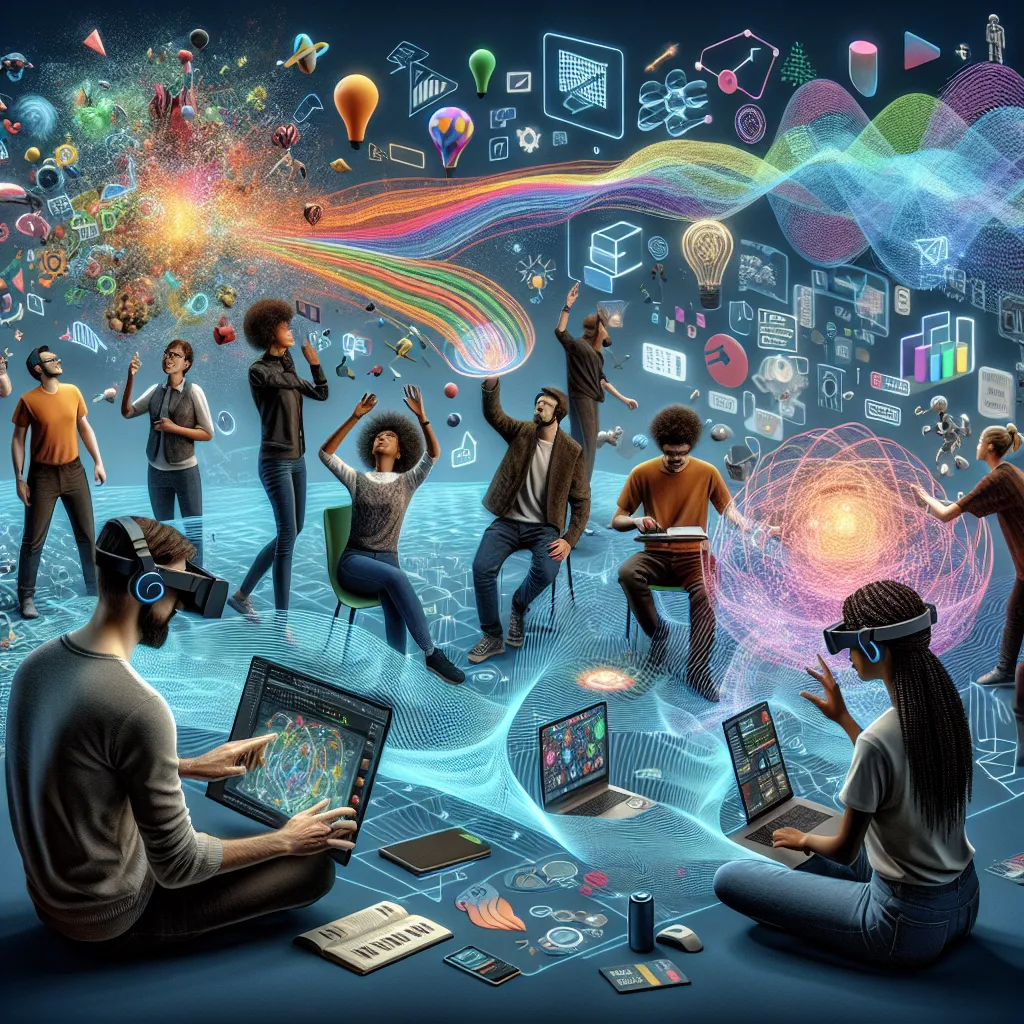
A software development kit that allows creators to build interactive AR experiences for their content. This could include features like gesture-based interactions, dynamic overlays, or voice-activated commands.
Description
No additional description provided.
The Pitch
As augmented reality (AR) technology advances, there is increasing demand from content creators, brands, and developers to integrate immersive AR experiences into their content. However, creating interactive AR experiences requires significant technical expertise, making it accessible primarily to large enterprises or specialized developers. Smaller creators, marketers, and educators lack a user-friendly toolkit that allows them to incorporate AR into their existing content without extensive coding or expensive resources.
Current AR platforms like Apple’s ARKit and Google’s ARCore are robust, but they are designed for developers and require in-depth programming knowledge. This creates a gap in the market for a more accessible software development kit (SDK) tailored to creators and non-technical users, enabling them to create engaging AR content with gesture-based interactions, dynamic overlays, and voice-activated commands.
2. Solution Overview:
The AR Content Creation SDK would enable creators to build interactive AR experiences easily and integrate them into their digital content. The SDK would feature a drag-and-drop interface, pre-built AR components, and templates that can be customized to fit various content formats like videos, presentations, or educational modules. The platform would be compatible with existing AR development environments (e.g., Unity, Unreal Engine) but would prioritize ease of use for creators with minimal technical background.
Key features include:
Gesture-Based Interactions: Enable creators to build experiences where users can interact with AR elements through gestures like tapping, swiping, pinching, or zooming in/out.
Dynamic Overlays: Allow creators to add interactive elements such as information boxes, 3D models, animations, and virtual objects that can overlay real-world environments and change dynamically based on user interactions.
Voice-Activated Commands: Incorporate voice recognition capabilities that trigger actions within the AR environment. For example, users could say “show me more” to display additional product information in an AR product showcase.
Pre-built Templates and 3D Models: Provide a library of customizable templates and 3D models that creators can use to build experiences quickly without needing to create assets from scratch.
Cross-Platform Integration: Ensure compatibility with major AR platforms (ARKit, ARCore) and social media platforms (Instagram, TikTok) so that creators can publish AR experiences directly to these platforms.
Real-Time Preview and Debugging: Enable creators to preview and debug their AR experiences in real-time, ensuring smooth performance before publishing.
3. Target Market and Early Adoption:
The SDK would primarily target the following segments:
Content Creators and Influencers: YouTube creators, Instagram influencers, and TikTok creators who want to enhance their content with interactive AR elements.
Educational Institutions and Educators: Teachers and e-learning platforms looking to create interactive learning modules that engage students through AR experiences.
Brands and Marketing Agencies: Brands aiming to create AR-based advertisements, virtual product showcases, and immersive marketing campaigns.
Developers and Startups: Smaller development teams and startups looking for a faster, more accessible way to create and deploy AR experiences without building from the ground up.
Early adopters would include tech-savvy educators, creative agencies experimenting with AR marketing, and independent creators already using basic AR tools like Instagram’s Spark AR.
4. Go-to-Market Strategy (GTM):
The GTM strategy would be executed in three phases:
Phase 1: Product Development and Beta Testing
Develop the core SDK with a drag-and-drop interface, basic templates, and gesture-based interactions. Partner with a few key influencers and educators to test the platform. Gather feedback on usability and feature requests. Host workshops and webinars to demonstrate the SDK’s capabilities, targeting tech-savvy creators and educators. Phase 2: Strategic Partnerships and Platform Integration
Establish partnerships with existing AR platforms like ARKit, ARCore, and social media AR toolkits like Snapchat’s Lens Studio and Instagram’s Spark AR. Collaborate with educational institutions to create specialized AR modules for teaching STEM subjects, geography, history, etc. Build out a library of AR assets (e.g., 3D models, animations) that are tailored for various industries like fashion, automotive, and retail. Phase 3: Full Commercial Launch and Community Building
Launch a marketing campaign targeting creators, agencies, and educators. Highlight the SDK’s ease of use, versatility, and cross-platform integration. Build a community of users through forums, webinars, and certification programs to create a support network and drive adoption. Develop a marketplace where users can buy and sell custom AR assets and templates. 5. Business Model:
The business model would include several revenue streams:
Freemium Model: Offer a basic version of the SDK with limited features for free, allowing users to create simple AR experiences. Advanced features like custom 3D models, voice-activated commands, and multi-platform publishing would be available in a paid tier.
Subscription Plans: Provide monthly and annual subscription plans for individual creators, educational institutions, and agencies. Higher tiers would include features such as advanced analytics, priority support, and collaboration tools for teams.
Marketplace for AR Assets and Templates: Create a marketplace where creators can buy and sell AR assets, templates, and custom interactions. The platform would take a commission on each sale.
Enterprise Licensing: Offer enterprise-level licensing to large agencies and corporations that want to integrate the SDK into their existing workflows or build custom AR applications for their clients.
6. Potential Challenges:
Technical Complexity: Although the goal is to make AR content creation more accessible, there’s a risk that the SDK might still be too complex for non-technical users. Simplifying the interface while maintaining powerful capabilities will be a key challenge.
Hardware Compatibility: Ensuring that experiences built with the SDK perform well across different devices (high-end smartphones, tablets, AR headsets) can be difficult, given the varying hardware capabilities.
Content Saturation: As AR content becomes more common, standing out will become increasingly difficult. The SDK needs to support unique, customizable experiences to differentiate itself from generic AR creation tools.
7. Competitive Landscape and Differentiation:
Current tools like Apple’s ARKit, Google’s ARCore, and Spark AR offer powerful AR development capabilities but are primarily designed for developers. This SDK would differentiate itself by focusing on ease of use, integration with content creation platforms, and supporting non-technical users with pre-built templates and a drag-and-drop interface.
Direct Competitors: Existing SDKs like ARKit and ARCore, which cater more to developers and advanced users. Indirect Competitors: Basic AR tools on social media platforms like Instagram and TikTok, which offer limited customization options. 8. Long-Term Vision:
The long-term vision is to establish the SDK as the go-to platform for creating immersive and interactive AR experiences across multiple industries. As AR technology advances and becomes more mainstream (e.g., through AR glasses or contact lenses), the SDK could evolve to support new forms of interactivity such as holographic projections, multi-user collaborations, and deeper integrations with IoT devices.
The platform could eventually become a standard toolkit for any type of AR development—whether for creating educational content, marketing campaigns, interactive storytelling, or even real-world navigation. This would position the SDK as an essential tool in the next generation of digital content creation, making AR more accessible, engaging, and impactful for creators and users alike.