AR CollabNet: Unifying Metaverse Creation Platforms
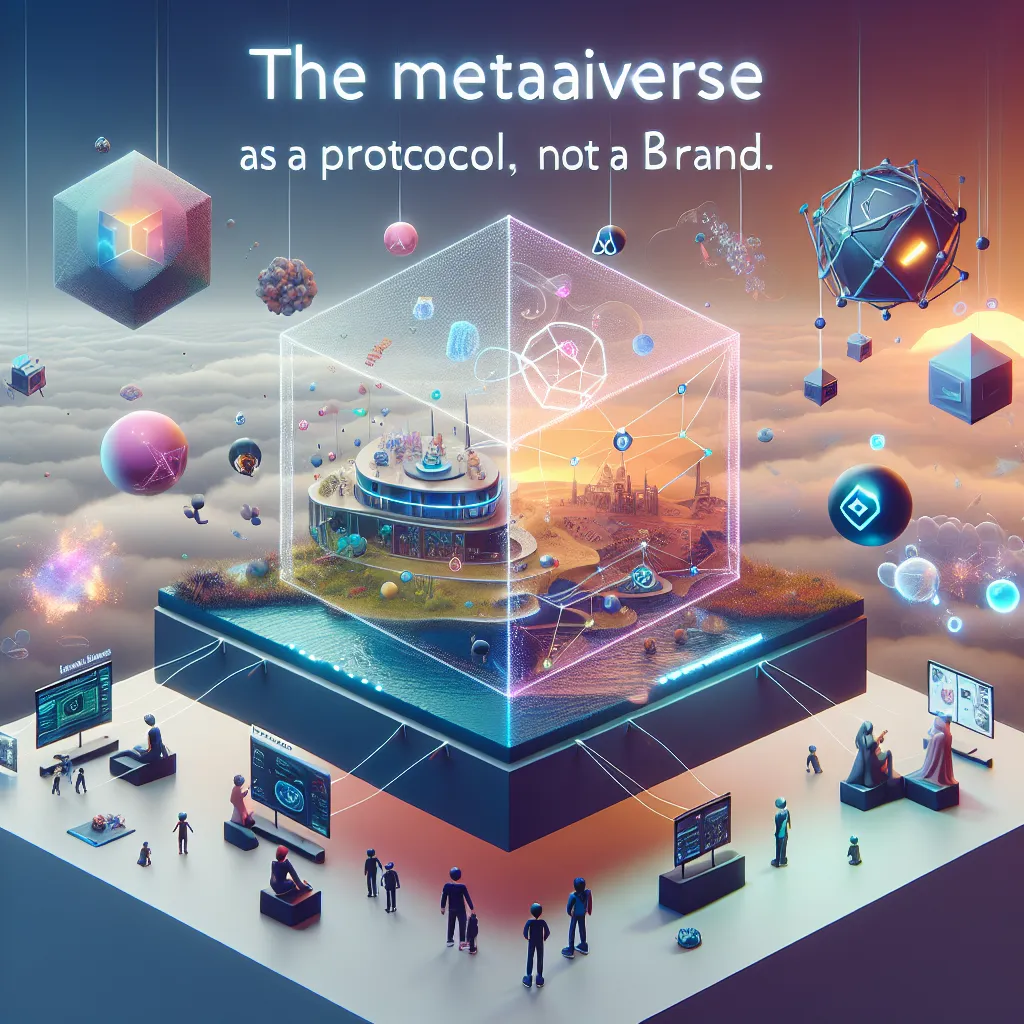
As Horizon Worlds, Roblox, and Fortnite merge socially, creators will crave interoperability. AR CollabNet could be a middleware layer allowing collaborative world-building across ecosystems. The trend: spatial internet standards are emerging, but collaboration is fragmented. Imagine two creators designing a VR gallery together — one in Horizon, one in Roblox — with shared physics and object layers syncing live. The metaverse stops being a brand and becomes a protocol.
Description
No additional description provided.
The Pitch
In recent years, digital platforms such as Horizon Worlds, Roblox, and Fortnite have transformed into vibrant social ecosystems where millions of users interact, create, and build their digital presence. However, this newfound dynamism comes with its own set of challenges. As these platforms evolve, there is an increasing demand for interoperability, allowing creators to collaborate seamlessly across different ecosystems.
Background: The spatial internet is growing, with emerging standards aiming to connect diverse virtual environments. However, the current landscape of digital collaboration remains fragmented. Creators working within one platform are often restricted by its boundaries, unable to easily interact or share their creations with those on other platforms. This creates silos and limits creative potential, hindering what could be a truly interconnected metaverse.
Identifying the Problem: The primary issue is the lack of interoperability between various virtual worlds, which restricts creators from collaborating across different platforms. Imagine two developers wanting to create an immersive VR gallery together: one uses Horizon Worlds, while the other prefers Roblox. Currently, this collaboration is difficult to execute, primarily due to differing physics engines, lack of unified object layers, and incompatible interaction protocols.
Proposed Solution: AR CollabNet AR CollabNet is a proposed middleware layer that serves as a bridge for collaborative world-building across different metaverse ecosystems. The goal is to enable creators to synchronize their work in real-time, regardless of the platforms they use.
Product Details: 1. Interoperability Engine: Facilitates seamless data exchange between platforms, aligning physics and object layers to allow real-time interaction. 2. Universal Protocols: Develops a standardized set of protocols for object properties and interactions that are platform-agnostic. 3. Real-time Collaboration: Enables live syncing between creators working on different platforms, ensuring their updates are reflected instantly. 4. Plugin Architecture: Provides plugins for major platforms to integrate easily without the need for complex modifications. 5. Security Layer: Ensures data privacy and security as information transits between different virtual worlds.
Tools for Launching as an MVP: 1. Unity and Unreal Engine: Utilize these popular game engines to develop the core functionality and create plugins. 2. WebRTC: Implement real-time communication between different platforms for synchronized updates. 3. API Development: Design RESTful APIs to facilitate the integration of AR CollabNet with existing platform infrastructures. 4. Cloud Services: Leverage cloud computing for scalable data processing and storage solutions.
Go-to-Market Strategy: 1. Early Partnerships: Collaborate with key stakeholders from major platforms like Meta, Roblox Corporation, and Epic Games to beta-test the product. 2. Developer Outreach: Engage with creator communities through webinars, hackathons, and demo sessions to demonstrate the potential of AR CollabNet. 3. Content Evangelism: Showcase successful case studies of cross-platform collaborations that AR CollabNet has enabled to build credibility and interest. 4. Strategic Alliances: Partner with industry groups working on spatial internet standards to promote the benefits of interoperability.
Business Model: 1. Subscription Model: Offer tiered subscription plans based on the number of users, platforms connected, and level of support required. 2. Licensing: Provide licensing options for large enterprises seeking customized solutions or extensive integrations. 3. Marketplace: Create a marketplace where developers can sell or exchange objects and plugins optimized for interoperability.
By addressing fragmentation in virtual collaboration, AR CollabNet has the potential to redefine the metaverse as not just a collection of brands but as a universal protocol for creativity and innovation.