AR-as-a-Service: Transforming Retail with Snapchat
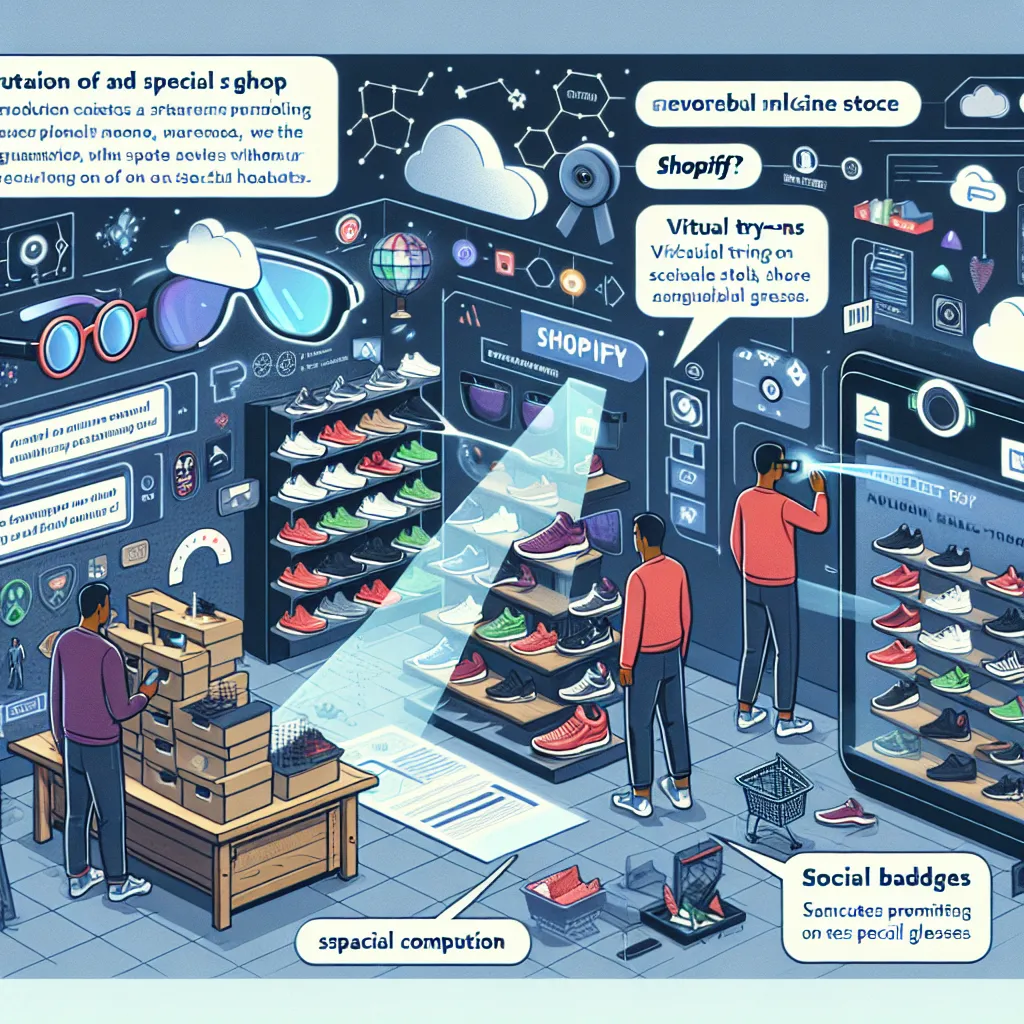
Snapchat’s AR future doesn’t need its own glasses to succeed; it needs distribution. The problem: brands want AR engagement but can’t build it. A startup could offer AR-as-a-Service, deploying plug-and-play Snap Lenses across Shopify stores and brick-and-mortar displays. The trend: spatial computing is mainstreaming before headsets do. Imagine scanning a sneaker in-store and instantly seeing community-generated filters, try-ons, and social badges tied to that SKU. Retail becomes theater.
Description
No additional description provided.
The Pitch
In the rapidly evolving digital landscape, augmented reality (AR) is emerging as a pivotal technology, opening new avenues for interactive consumer engagement. Despite the vast potential AR offers, a significant gap has emerged: brands are eager to leverage AR for enhancing customer experience but often lack the expertise and resources to develop AR solutions. This presents a unique opportunity to create a scalable service platform that enables retailers to integrate AR effortlessly into their existing systems.
Backstory Augmented reality has grown from a futuristic concept to a tangible asset for businesses, particularly in retail. Companies like Snapchat have pioneered AR, primarily for entertainment, but its practical applications in retail have only just begun to surface. As consumers become increasingly tech-savvy and demand more interactive experiences, retailers face pressure to integrate AR without incurring prohibitive costs or investing in extensive technical infrastructure.
Problem The primary challenge is that most brands do not possess the technical knowledge or development capabilities to build their own AR solutions. Consequently, retailers are unable to offer enhanced, interactive shopping experiences that can increase customer engagement and drive sales. The high barrier to entry in terms of cost and development time further exacerbates this issue.
Solution A startup can address this gap by providing an AR-as-a-Service platform designed specifically for retailers. This service would offer customizable, plug-and-play AR applications that integrate smoothly with existing retail systems, both online and in physical stores. By leveraging existing AR technology from platforms like Snapchat and integrating it with retailers' digital infrastructure, the startup can offer advanced AR capabilities without requiring extensive investment from the brands.
Product Details The proposed product is an easy-to-use AR service platform that offers:
1. Plug-and-play Snap Lenses designed to be compatible with Shopify and other e-commerce platforms. 2. AR solutions for brick-and-mortar stores, enabling consumers to scan products using their smartphones to access interactive experiences such as virtual try-ons and community-generated filters. 3. A dashboard for retailers to manage and customize their AR content, track engagement metrics, and update experiences to coincide with new product launches or promotions. 4. APIs and development tools to facilitate smooth integration with retailers' existing digital ecosystems.
Tools for Easy MVP Launch 1. Utilize Snapchat's Lens Studio to create customizable AR experiences. 2. Integrate with platforms like Shopify using readily available APIs for seamless addition of AR capabilities. 3. Use cloud services such as Firebase or AWS for back-end support and data analytics. 4. Employ user analytics tools like Mixpanel for tracking customer interactions and improving AR experiences.
Go-To-Market Strategy 1. Target small to mid-sized retailers initially to build case studies and testimonials. 2. Partner with e-commerce platforms and retail tech providers to offer bundled solutions. 3. Create a demo suite for trade shows and digital marketing campaigns to showcase the ease and impact of the service. 4. Develop a referral program to incentivize existing clients to bring new retailers on board.
Business Model 1. Subscription-based pricing for the platform access, with tiered pricing based on the number of AR experiences and the level of customization required. 2. Offer consultancy and customization services for brands needing more personalized or complex solutions, billed as one-time fees. 3. Implement a usage-based billing approach for high-traffic events or peak seasons, ensuring cost-efficiency for both the provider and the client.
Conclusion By providing AR as a service, retailers can bridge the gap between new technology and consumer demand. This platform not only opens new possibilities for customer engagement but also democratizes access to cutting-edge technology, ensuring that businesses of all sizes can compete in the ever-evolving marketplace.