AR App Revives Millennial Nostalgia Experiences
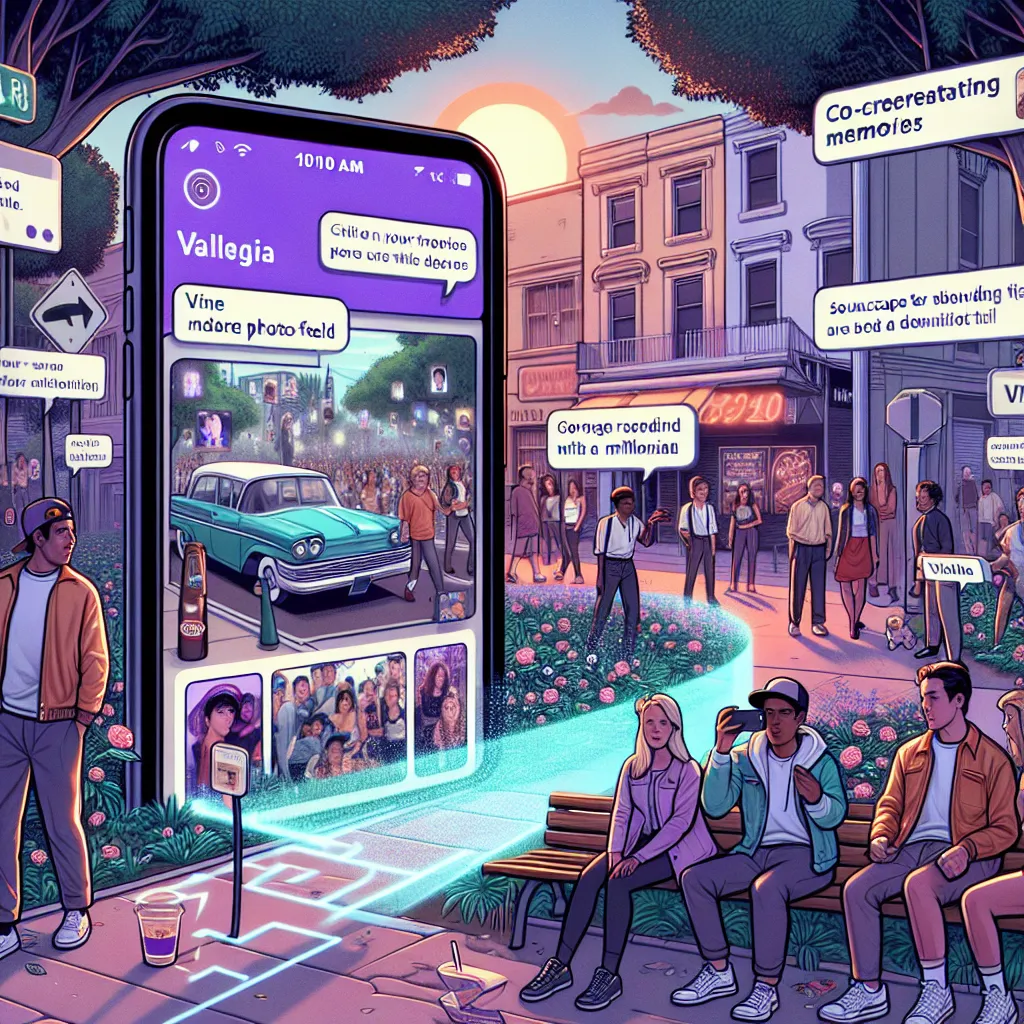
As Millennials age, they’re leaning into nostalgia—reminiscing about the early Instagram filters, MySpace Top 8s, and even the Vine era. But reliving those moments is fragmented across memes and videos, not experienced together. The solution is a mobile AR app that turns shared generational memories into geo-triggered augmented reality moments—visual overlays, soundscapes, or even short animations—that appear in relevant locations. Think walking through a park and seeing an AR version of your 2010 photo feed floating over a bench. Users can co-create memories, build “nostalgia trails,” and even host mini events tied to moments in Millennial culture. The trend is real: nostalgia is one of the most powerful emotional triggers for this generation, driving everything from streaming choices to purchase behavior. For example, an AR pop-up at a bar could bring back the old “Valencia” filter or play Vine classics like “Road work ahead…” when you point your phone at a sign—creating community through shared digital history.
Description
No additional description provided.
The Pitch
As Millennials transition into later stages of life, they are increasingly drawn to the allure of nostalgia. This generation fondly remembers the dawn of social media with early Instagram filters, MySpace Top 8 lists, and the short-lived glory of Vine. These elements of the past are primarily relived through scattered memes and videos across the internet, lacking a cohesive, shared experience that brings people together in real time.
Addressing this gap is a mobile augmented reality (AR) application designed to transform these shared generational memories into geo-triggered AR moments. These moments could include visual overlays, soundscapes, or short animations that become visible in locations relevant to the original memories. Imagine walking through a park and encountering an AR display of your 2010 photo feed gracefully floating above a bench. Users would have the opportunity to co-create memories, design “nostalgia trails,” and even host mini-events that celebrate iconic moments from Millennial culture.
Nostalgia is a powerful emotional trigger for Millennials, influencing everything from entertainment preferences to buying decisions. For instance, an AR pop-up at a bar could enable patrons to relive the charm of the old “Valencia” filter or hear classic Vine sound bites, like “Road work ahead…,” when they aim their phone cameras at a sign. These experiences foster community through shared digital history.
The solution employs the latest in AR technology to create immersive and interactive experiences. Key product details include:
- Geo-triggered AR moments: Leverage GPS technology to deliver content that is contextually relevant to specific locations. - Community-driven content: Enable users to contribute to and customize AR experiences, curating personal or group nostalgia trails. - Event hosting: Facilitate small events centered around shared cultural moments, bridging digital experiences with real-world social interactions.
To successfully bring this concept to market, consider utilizing tools and strategies specifically tailored for an MVP launch:
- Technology stack: Use AR development platforms such as ARKit for iOS or ARCore for Android to create immersive experiences. Incorporate geolocation APIs for precise location-based triggers. - Prototyping and testing: Employ tools like Sketch or Figma for design prototyping and user feedback. Unity or Unreal Engine can be used for building interactive AR elements. - User acquisition strategy: Collaborate with social media influencers who resonate with Millennial audiences to generate buzz. Launch initial campaigns on platforms like Instagram and TikTok, showcasing the app’s unique features through engaging demos. - Go-to-market strategy: Begin with a soft launch in select cities known for high Millennial populations, such as Los Angeles, New York, or Austin. Create partnerships with local businesses to integrate AR pop-ups in cafes, parks, and cultural landmarks. - Business model: Consider a freemium model, offering basic nostalgia trails for free while charging for premium experiences or exclusive events. Introduce branded content opportunities for businesses looking to connect with Millennial consumers through nostalgic experiences.
By fostering a sense of community and shared history through innovative technology, this AR application not only engages but also enriches the lives of its users, allowing them to relive and cherish the memories that define their generation.