AppHackr: Boost App Visibility with Strategic Naming
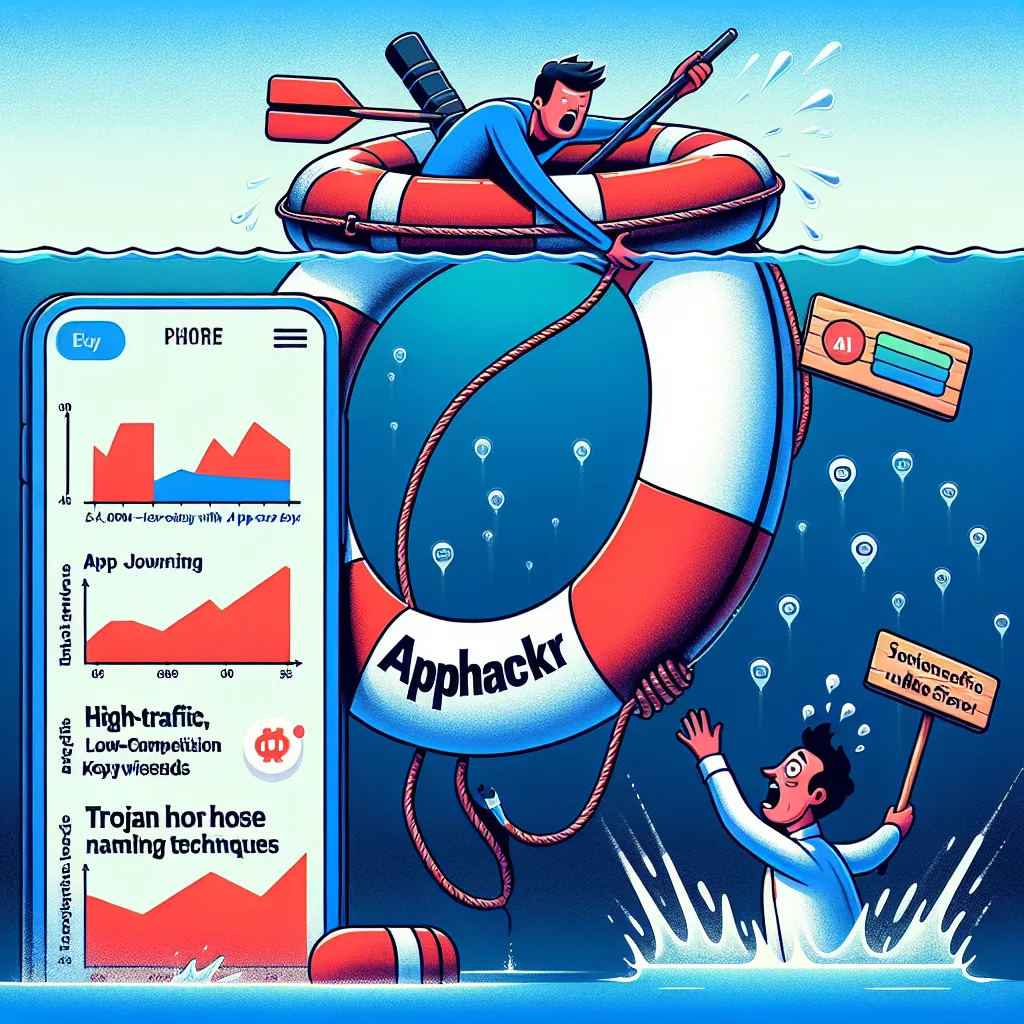
Most new consumer apps get buried in the App Store within days of launching, even if they’re great. Without downloads, reviews, or keywords, they never surface. TikTok originally used a long app name that acted like SEO bait—and it worked. AppHackr is a tool that reverse-engineers App Store keyword dynamics and helps founders choose high-traffic, low-competition phrases for app naming and metadata. It also suggests “trojan horse” naming techniques, like piggybacking on related trends or search terms. This is increasingly valuable as Apple tightens tracking and founders look for organic discovery alternatives. For instance, a new AI journaling app uses AppHackr to name itself “AI Journal + Notion for Mental Health,” causing it to rank in three trending categories. It gets 700 organic installs in its first week—without a dollar spent on ads.
Description
No additional description provided.
The Pitch
In today's saturated app market, even amazing consumer apps often fail to gain traction simply because they get lost among the thousands of new releases. A key challenge is visibility: without downloads, positive reviews, and strategic use of keywords, many apps never get the chance to rise to the surface. For example, TikTok initially employed a long app name that served as a sneaky form of SEO to boost its discoverability—a tactic that significantly contributed to its early success.
Enter AppHackr, a tool designed to address this visibility issue by demystifying the App Store's keyword algorithm. It provides founders with the insights they need to select high-traffic, low-competition phrases for their app names and metadata. AppHackr doesn't just hand over keyword choices; it also recommends clever naming strategies, such as leveraging existing trends or popular search terms to attract organic traffic.
This approach is becoming increasingly crucial as tracking restrictions tighten, limiting the effectiveness of traditional advertising. As a result, app creators are more eager than ever for organic discovery solutions. Take, for instance, a new AI-powered journaling app that utilizes AppHackr's capabilities. By naming itself AI Journal + Notion for Mental Health, the app ranks across three trending categories. This strategic naming results in 700 organic downloads within the first week, all achieved without spending any money on advertising.
For those interested in launching AppHackr as an MVP, there are effective tools to streamline the process. Platforms like Bubble or Adalo enable the development of no-code apps, ideal for rapid prototyping and initial testing. For backend support, Firebase or Supabase can offer scalable database solutions that accommodate growth.
The go-to-market strategy for AppHackr should focus on tapping into communities of indie developers and startup founders who are struggling with app visibility. Content marketing, in the form of blog posts or webinars that tackle common challenges in app store optimization, can drive awareness and establish credibility. Partnerships with incubators and accelerators could further extend reach and provide direct access to potential users.
The business model for AppHackr could be subscription-based, offering tiered plans that cater to different levels of need—from independent developers to larger teams. A freemium model might also be worth considering, allowing users to test basic features before committing to a paid plan.
By addressing the problems of visibility and discoverability in the App Store, AppHackr offers a solution that is not only timely but indispensable, especially as the landscape becomes increasingly competitive and challenging.