App Store for Financial Innovation Integration
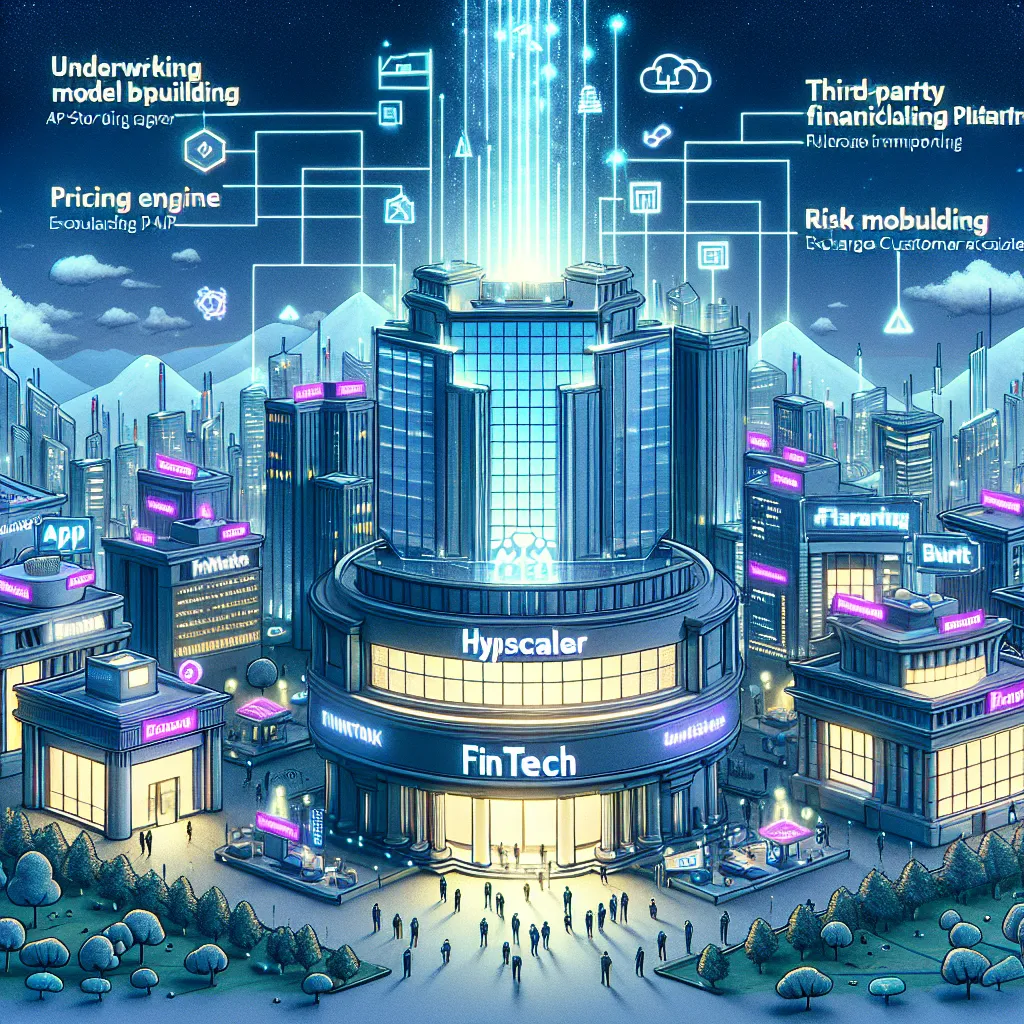
Large fintechs will win distribution, but innovation will slow inside them. This startup creates an “app store” layer where third-party financial primitives — underwriting models, pricing engines, risk modules — can plug directly into hyperscaler platforms and get paid per outcome. Think APIs as revenue-sharing components, not SaaS subscriptions. Why now: hyperscalers want speed without internal bloat; builders want access without customer acquisition. Example: a niche fraud model becomes instantly global by embedding inside a major fintech.
Description
No additional description provided.
The Pitch
In today's fast-paced financial technology landscape, large fintech companies are dominating distribution but are often crippled by a slowdown in innovation due to their massive scale and internal processes. The need for a dynamic platform that fosters innovation by allowing third-party developers to seamlessly integrate their financial solutions has never been more pertinent. This proposal introduces a novel platform — a marketplace that serves as an app store for financial primitives, where developers can offer their solutions and get compensated based on performance rather than traditional subscription models.
Backstory
The fintech industry is at a crossroads. Large firms have the resources and customer reach but struggle with rapid innovation due to their size and bureaucratic inertia. Meanwhile, independent developers and smaller startups possess innovative solutions but lack distribution channels and face significant hurdles in acquiring customers. This imbalance creates an opportunity to bridge the gap and enable seamless integration between innovation-driven developers and resource-rich hyperscalers.
Problem
- Large fintech companies are hindered by slow innovation and bloated internal processes, making it difficult for them to adapt and deploy new technologies quickly. - Independent developers struggle to access the market due to high costs associated with customer acquisition and limited distribution channels. - Traditional SaaS subscription models do not align well with the desired outcome-focused approaches within the financial services sector.
Solution
The proposed platform is an innovative marketplace enabling third-party financial solutions to integrate with large fintech infrastructures efficiently. Through a structured environment, it allows developers to offer specific financial primitives — such as underwriting models, pricing engines, and risk management modules — as easily embeddable APIs. These solutions are monetized based on performance, promoting a revenue-sharing model that aligns the interests of both developers and fintech giants.
Product Details
- An intuitive platform where developers list and market their financial solutions. - APIs designed for easy integration into existing fintech infrastructures. - Performance-based revenue-sharing models, allowing developers to earn based on the success of their APIs. - A robust vetting process to ensure quality and security compliance of all solutions offered on the platform. - Analytics and reporting tools for developers and fintech companies to track API performance and optimize integrations.
Tools for MVP Launch
1. API Gateway and Management Tools: Employ cloud-based API management solutions such as AWS API Gateway or Apigee for secure and efficient API deployment and management.
2. Cloud Hosting Services: Utilize platforms like AWS, Google Cloud Platform, or Microsoft Azure to provide scalable and reliable hosting for the platform.
3. Payment Integration: Integrate payment processing solutions like Stripe or PayPal to handle the revenue-sharing transactions seamlessly.
4. DevOps & Continuous Integration: Use tools like Jenkins or GitHub Actions to ensure smooth development and deployment cycles.
5. Security Frameworks: Implement robust security protocols using industry-standard tools like OAuth or JWT for secure API access.
GTM Strategy
1. Target Audience Identification: Focus on large fintechs looking for innovative solutions and independent developers specializing in niche financial technologies.
2. Strategic Partnerships: Collaborate with major fintech platforms and industry conferences to raise awareness and build credibility.
3. Community Building: Establish a developer community through forums, webinars, and workshops to engage and support the independent developer network.
4. Content Marketing: Leverage blogs, case studies, and whitepapers to educate the market on the benefits and capabilities of the platform.
5. Pilot Programs: Initiate pilot programs with select fintech companies to demonstrate the platform's value through real-world integrations.
Business Model
The platform adopts a revenue-sharing model based on the performance of integrated solutions. Rather than a flat SaaS subscription fee, fintechs pay developers a percentage of the revenue generated from the successful deployment of the APIs. This aligns the incentives of both parties, fostering an ecosystem where innovation and rapid deployment of fintech solutions thrive. Additional revenue streams can include premium features for enhanced analytics, certification programs, and managed services.
Conclusion
This initiative presents an opportunity to redefine how financial technology solutions are developed, distributed, and monetized. By creating a high-impact marketplace that connects innovative developers with large, resource-rich fintech enterprises, this platform not only bridges the gap but actively contributes to the advancement of the financial services industry.