App Flags Artificial Dyes for Concerned Parents
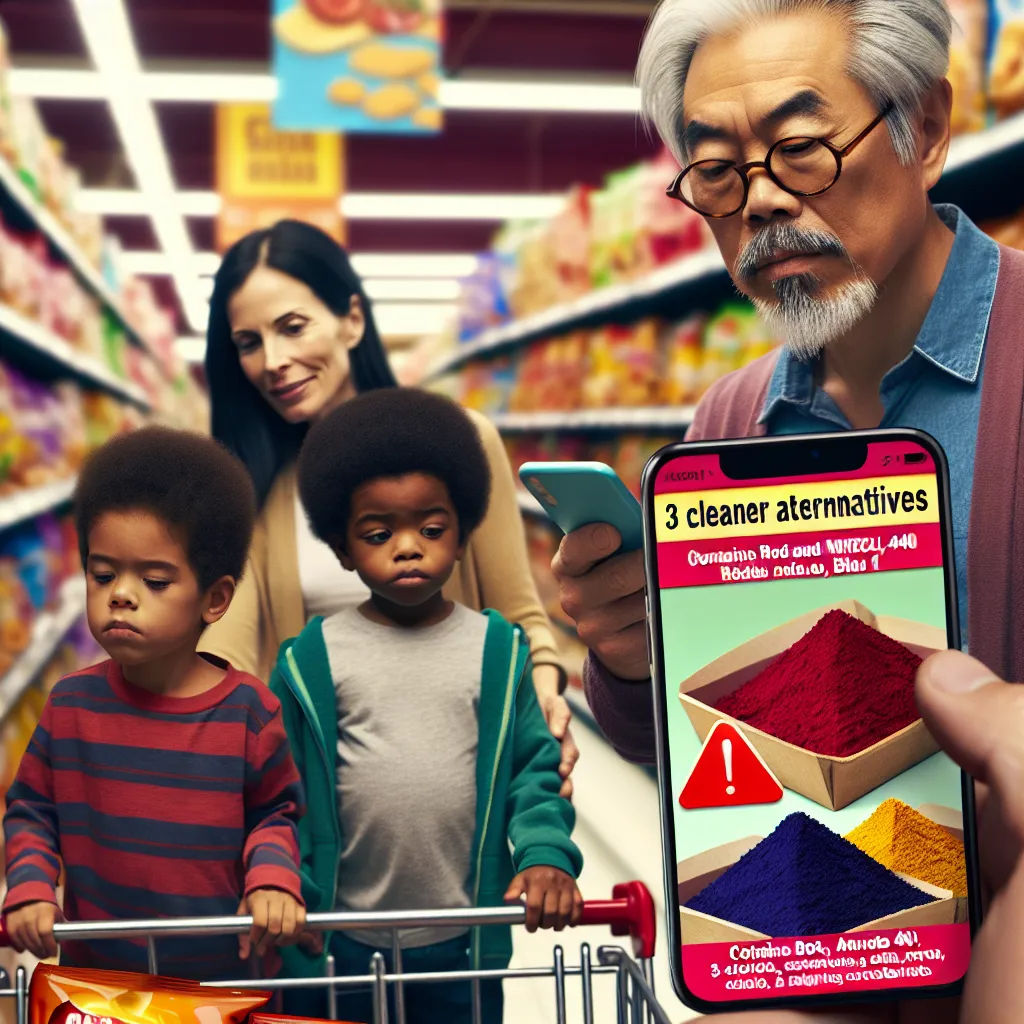
Parents are now reading ingredient lists more carefully—but “Red 40” or “E129” is confusing, and there’s no easy way to scan for synthetic dyes across groceries. This startup builds a mobile app (or API for retailers) that scans product barcodes and flags artificial dyes, offering cleaner alternatives instantly. It works like Yuka or Think Dirty, but focused on food colorants—especially for parents shopping for kids. Why now? The headlines around hyperactivity and cancer risk have made food colorants a trust issue. And while Clean Label Project or EWG track some additives, colorant-focused tooling doesn’t exist. For example, a parent scans a fruit snack box and sees a “red flag” warning: contains Red 40 and Blue 1. They’re offered 3 similar snacks that use beet, annatto, or spirulina instead.
Description
No additional description provided.
The Pitch
Understanding the growing concern among parents about artificial food colorants, there's a pressing need to simplify the identification of synthetic dyes in groceries. As more studies highlight the potential health risks of these additives, parents are becoming increasingly vigilant about what they feed their children. However, deciphering ingredient lists filled with cryptic names and codes can be overwhelming.
The challenge is that, while there are resources like the Clean Label Project or Environmental Working Group, they don't specifically concentrate on food colorants. Parents need a tool that acts as a straightforward guide to help them avoid synthetic dyes, particularly when shopping for their children.
The solution is to develop a mobile application, or alternatively an API for retailers, that allows users to scan the barcodes of food products. Upon scanning, the app instantly identifies any artificial dyes present in the product, such as Red 40 or Blue 1, and provides clear warnings. Additionally, it suggests alternative products that use natural colorants, like beet juice or spirulina, ensuring that parents can make healthier choices for their families.
Imagine a parent scanning a box of fruit snacks and immediately receiving a notification that the product contains artificial dyes. The app then offers three alternative products that meet the parent's criteria for natural ingredients. This straightforward approach empowers users to make informed decisions quickly and confidently.
To bring this idea to life as a minimum viable product (MVP), the following tools and technologies can be utilized:
1. Barcode Scanning Software: Utilize existing libraries or SDKs to enable the scanning functionality within the app. 2. Ingredient Database: Build or partner with a database that offers detailed information on food ingredients, specifically focusing on artificial and natural colorants. 3. User Interface Design: Provide an intuitive and user-friendly design to ensure easy navigation and a strong user experience. 4. Backend Development: Build a robust backend system that can handle large volumes of data and process requests efficiently. 5. Partnership with Health Organizations: Collaborate with organizations focused on food safety and health to enhance credibility and outreach.
For the go-to-market (GTM) strategy, consider:
1. Targeting parents, especially those with young children, through social media platforms and parenting forums. 2. Collaborating with schools and health professionals to spread awareness about the importance of choosing products without synthetic dyes. 3. Offering free trials or demos at local grocery stores to showcase the app's functionality and effectiveness directly to consumers. 4. Engaging with online influencers in the health and wellness space to generate buzz and increase visibility.
The business model could include a freemium approach, where users have access to basic features at no cost, with the option to upgrade for premium features such as advanced filters, personalized recommendations, or detailed reports. Additionally, partnerships with retailers and certified brands can open up revenue streams through affiliate marketing or licensing fees for integrating the API into their systems.
In a world where transparency and health consciousness are becoming priorities, this app provides a timely and valuable resource for parents seeking clarity and peace of mind in their grocery shopping. By focusing on a niche market and delivering a targeted solution, this concept holds significant potential to transform shopping experiences for families.