API Improvement Fundraising Platform for Restaurants
Description
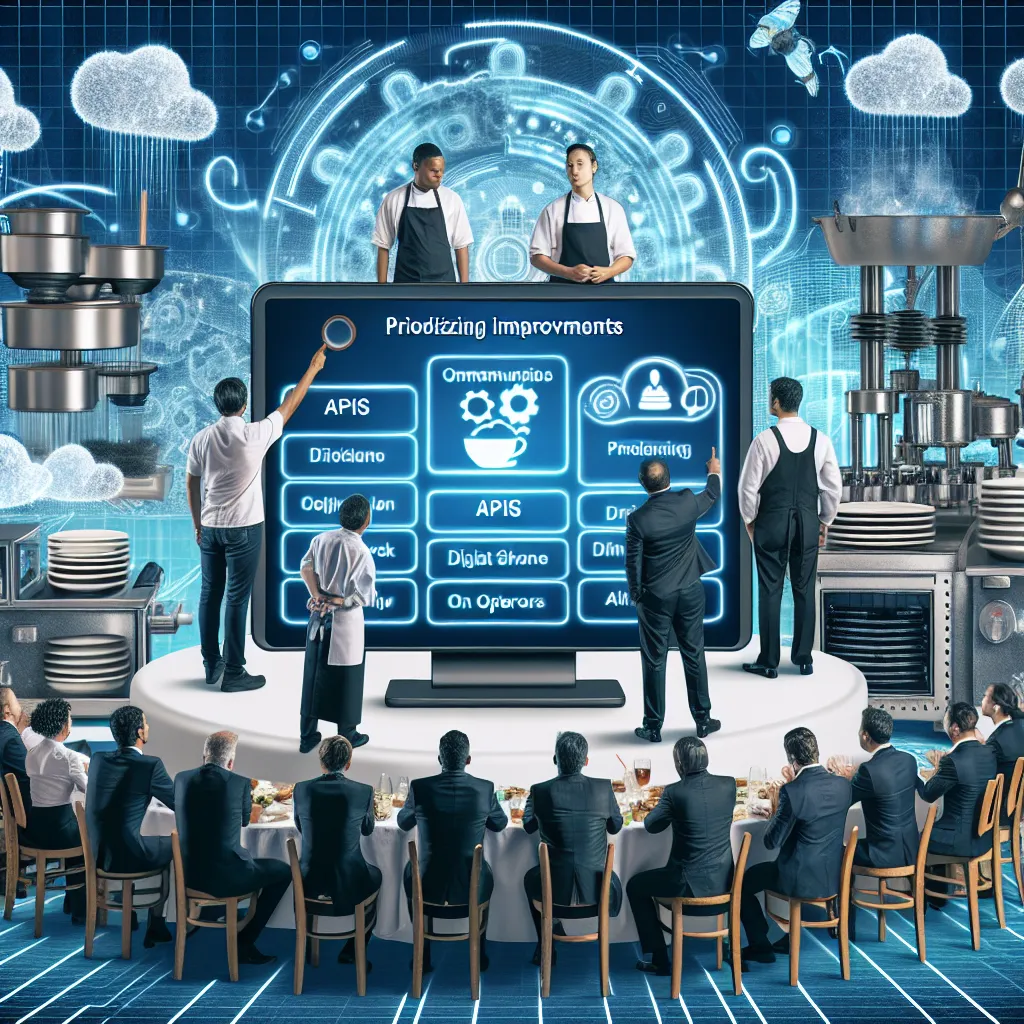
API Improvement Fundraising Platform provides a collaborative solution for restaurant operators to address tech challenges by pooling resources and prioritizing critical API improvements. This community-driven approach not only accelerates the development of needed integrations but also ensures that restaurant tech evolves in ways that directly benefit the operators who use it daily. By enabling faster, more targeted improvements, this platform can help restaurants stay competitive in a rapidly changing industry.
The Pitch
API Improvement Fundraising Platform is designed to empower restaurant operators by allowing them to collectively fund and prioritize specific API improvements or integrations from their technology vendors. This platform addresses the common problem of delayed tech enhancements due to vendors' internal roadmaps and prioritization.
By pooling resources, restaurant operators can fast-track the development of critical integrations and features that are essential to their business operations but might otherwise be low on the vendor's priority list.
Why This is Needed:
Vendor Prioritization Delays:
Vendors often prioritize API improvements based on overall market demand or strategic goals, which can leave individual restaurants waiting months or even years for critical updates. For example, a small restaurant chain might need an integration between their POS system and a specific loyalty platform, but the vendor may not prioritize this due to other larger projects. The API Improvement Fundraising Platform would allow this chain to gather support from other restaurants facing the same issue, fund the development, and expedite the process.
Fragmented Tech Ecosystems:
The restaurant industry is increasingly dependent on multiple technologies—POS systems, online ordering platforms, loyalty programs, inventory management, and more. However, these systems often don’t communicate well with each other due to outdated or incomplete API integrations. Restaurants are left to manually bridge gaps, leading to inefficiencies and errors. For instance, a restaurant using a POS system like Toast may struggle to integrate with a niche reservation system they prefer. By using the platform, operators who need this integration can collectively fund its development, ensuring smoother operations.
Cost of Custom Development:
Custom API development is often expensive and prohibitive for individual restaurants or small chains. Many operators can't afford to commission a vendor to build a custom integration on their own. The fundraising platform reduces individual costs by distributing them across multiple stakeholders who share the same need. For example, if a group of restaurants wants to integrate a third-party delivery service directly into their POS system, they can pool resources to cover the cost, making it feasible for everyone involved.
Ensuring Vendor Accountability:
When vendors promise API improvements but fail to deliver due to shifting priorities, it can be frustrating for operators. The fundraising platform creates a direct financial incentive for vendors to prioritize these requests. By securing upfront funding, vendors are more likely to commit resources to the project, ensuring timely completion.
Community-Driven Innovation:
The platform fosters a sense of community among restaurant operators. By pooling funds, restaurants can collaborate on shared needs, driving innovation in the industry. For example, if several fast-casual chains need a specific integration for their loyalty programs, they can work together to create a solution that benefits all of them, rather than waiting for a vendor to recognize the demand.
How It Works:
Project Proposal:
Restaurant operators submit proposals for specific API improvements or integrations they need. Each proposal includes details such as the targeted systems, the problem it solves, and the estimated cost of development.
Funding Campaign:
Once a proposal is accepted, it becomes a public campaign on the platform. Other restaurant operators facing similar issues can contribute funds to the project. Contributions can be structured in tiers, with larger contributors receiving additional benefits, such as early access to the new integration or priority support.
Vendor Engagement:
The platform coordinates with the tech vendors to secure quotes and timelines for the development. Vendors commit to delivering the improvements once the funding goal is reached, ensuring transparency and accountability.
Development and Delivery:
Once fully funded, the vendor begins work on the integration. The platform monitors progress and provides updates to all contributors, ensuring the project stays on track. Upon completion, the new API integration is made available to all contributing restaurants.
Ongoing Support:
After the integration is live, the platform offers optional ongoing support and updates, funded through a small maintenance fee shared by all contributors.
Examples of Use Cases:
POS to Loyalty Program Integration:
A group of restaurants using a popular POS system might struggle to integrate it with a niche but highly effective loyalty program. By collectively funding the necessary API development, they can ensure seamless integration, improving customer retention and satisfaction.
Online Ordering Integration:
Several restaurants using different online ordering platforms may want to integrate these with their in-house systems for better order management and reporting. The platform allows them to pool resources and fund a unified API that connects all their systems, enhancing operational efficiency.
Inventory Management Sync:
A common problem in the industry is keeping inventory management systems in sync with POS and online ordering platforms. A group of restaurants can collectively fund an API improvement that ensures real-time inventory updates across all systems, reducing waste and stockouts.
Mobile App Integration:
As mobile apps become more prevalent in the restaurant industry, operators may need custom API integrations to connect their apps with various in-house systems. This platform would allow them to fund these improvements collectively, ensuring a smooth customer experience.
Business Model:
Platform Fees: Charge a small percentage of the total funds raised for each project as a platform fee.
Subscription Tiers: Offer subscription plans for restaurants that want to participate in multiple campaigns, providing benefits such as reduced fees or priority listing.
Vendor Partnerships: Establish partnerships with tech vendors, earning commissions or discounts for facilitating API development projects.