API for Adaptive Physical Spaces
Physical spaces don’t respond to real-world inputs — even though we now expect our phones and software to adapt constantly. Hotels, gyms, and office buildings rarely change lighting, sound, or scent based on mood, weather, or time of day. This API changes that: developers can connect ambient controls (smart bulbs, speakers, scent diffusers) to occupancy, calendar data, or mood presets. It’s like Stripe, but for programmable vibes. Driven by SENSESCAPING, this allows, say, a coworking space to switch from “Focus Mode” in the morning (blue light, quiet jazz) to “Social Wind-down” at 5pm (warm light, lo-fi beats, citrus scent).
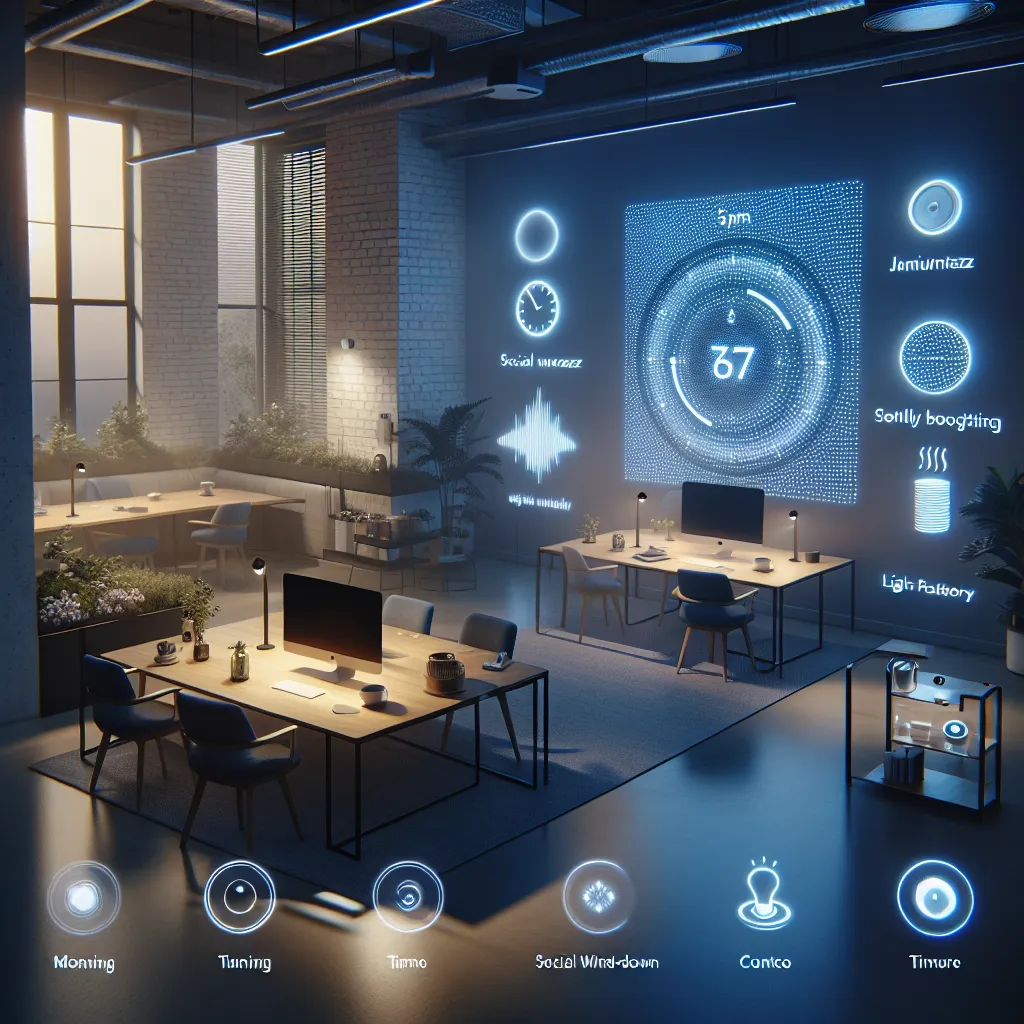
Description
No additional description provided.
The Pitch
We have grown accustomed to technology adapting to our needs and preferences in real-time. However, the physical spaces we inhabit often remain static, failing to respond to dynamic inputs such as mood, weather, or time of day. This concept introduces an innovative solution that bridges this gap, transforming spaces like hotels, gyms, and office buildings into responsive environments. By enabling developers to connect ambient controls with various data inputs, we aim to revolutionize how we experience and interact with our surroundings.
Backstory
As technology continues to evolve, there is a growing expectation for our physical environments to integrate seamlessly with our digital experiences. Despite this, many spaces remain inflexible, providing the same ambiance regardless of external factors or personal preferences. Whether it's a hotel room that lacks personalization or an office that stays unchanged throughout the day, the need for adaptive environments is evident. Recognizing this gap, we set out to create a solution that allows ambient elements to be dynamically programmed, enhancing both functionality and user experience.
Problem
Physical spaces typically do not respond to real-world inputs, leading to environments that can feel static and uninspiring. This disconnect can result in less productive or less enjoyable experiences, as spaces fail to align with the changing needs and preferences of their occupants. For instance, an office might not adjust its lighting or soundscape to improve focus during work hours, nor will a gym alter its settings to boost energy and motivation. This limitation restricts the potential of physical spaces to truly benefit and adapt to those who use them.
Solution
Our concept introduces an innovative API that allows developers to program ambient controls, such as smart lighting, sound systems, and scent diffusers, using a range of data inputs. These inputs can include occupancy data, calendar events, or pre-configured mood presets. By creating programmable vibes, spaces can quickly adapt to different scenarios — promoting productivity in workplaces or enhancing relaxation in hospitality settings. This level of customization ensures that environments can be personalized and optimized for any occasion.
Product Details
- **API Access**: Developers can easily integrate the API into existing systems, providing seamless control over ambient elements.
- **Data Compatibility**: The API can pull data from various sources, including occupancy sensors, calendar schedules, and weather forecasts, ensuring environments respond appropriately.
- **Control Outputs**: Manage smart bulbs, sound systems, and scent devices, allowing complete customization of the ambiance.
- **Predefined Modes**: Users can select from a library of mood presets like “Focus Mode” or “Social Wind-down, or create custom scenarios tailored to specific needs.
- **Scalability**: Designed to be scalable, the system can be implemented in a single room or across multiple locations, accommodating various business sizes and needs.
Launch Strategy
- **MVP Development**: Use tools like Node.js for backend development and React for front-end integration, alongside APIs from smart device manufacturers to create a working prototype.
- **Pilot Programs**: Initiate partnerships with coworking spaces, boutique hotels, and gyms to pilot early versions, gather feedback, and refine features.
- **Marketing and Promotion**: Focus on content marketing that highlights the benefits of adaptive environments, leveraging case studies from pilot programs.
- **Community Engagement**: Build a developer community around the API to foster innovation and gather user-generated scenarios and modes.
Business Model
- **Subscription-Based**: Offer tiered subscription plans for different levels of access and features, catering to businesses of varying sizes and needs.
- **Marketplace for Modes**: Create a marketplace where developers can sell custom ambiance scenarios and presets, providing additional revenue streams.
- **Partnership with Device Manufacturers**: Form partnerships to offer bundled solutions that include compatible smart devices as part of a package deal.
This initiative aims to set a new standard for how we experience physical spaces, ensuring they are not only functional but also adaptable and responsive, meeting the ever-changing demands of modern life.