API-Enabling Rotating Product Subscriptions for Brands
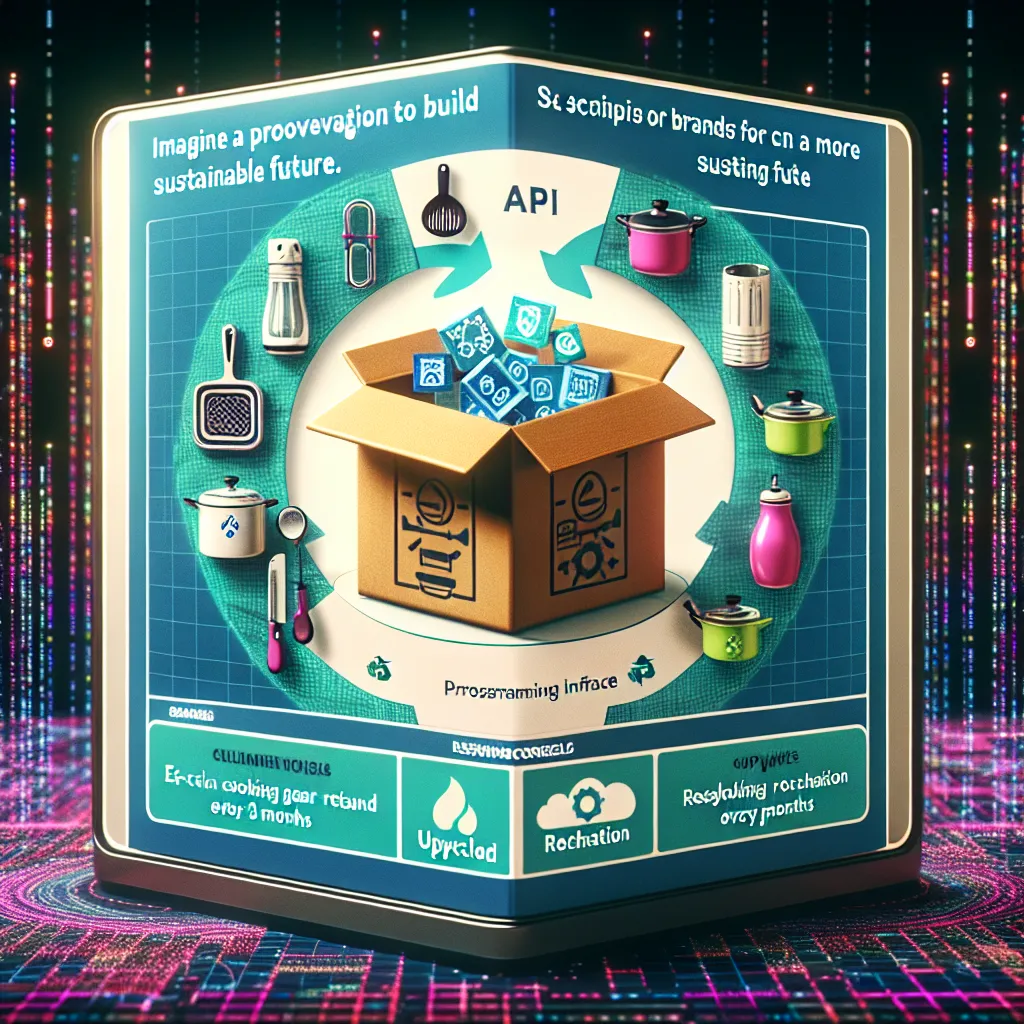
People often buy things they only use for a short time — from kids’ gear to seasonal kitchen tools — creating waste and clutter. While resale platforms exist, there’s no seamless way for brands to offer a circular model out of the box. The solution: an API that lets any e-commerce brand turn their products into rotating subscriptions, enabling customers to return items and receive upcycled or refreshed versions on a cadence. Powered by LOOPLIFE, this makes reuse effortless and native to DTC. For example, a cookware brand could offer “Seasonal Chef Kits,” which rotate every 3 months with refreshed tools. Brands plug in, the API handles logistics, and consumers reduce waste while staying fresh
Description
No additional description provided.
The Pitch
Creating a sustainable and efficient consumable product model has become a growing necessity in today's market. Many consumers often find themselves purchasing items that they use only for a limited time, which contributes to waste and clutter. This is especially true for products like children's gear or seasonal kitchen tools. While resale platforms have made strides in addressing this issue, no seamless system enables brands to provide a circular economy model as an integrated feature.
This is where the innovative concept of a subscription-based API solution comes into play. This solution empowers any e-commerce brand to transform its products into rotating subscriptions, effectively enabling customers to return items and receive upcycled or refreshed versions on a regular schedule. The introduction of LOOPLIFE ensures that this process is simple and native to direct-to-consumer experiences.
To illustrate, consider a cookware brand that offers Seasonal Chef Kits. Every three months, customers receive a new set of refreshed tools, eliminating clutter and decreasing waste. The brand integrates with LOOPLIFE's API, which manages all logistics, allowing the brand to focus on product quality and customer service. Consumers enjoy the benefits of new, refreshed items while contributing to environmental sustainability.
Product Details and Solution: 1. The API provides an easy plug-in for brands. Integration can be completed within weeks, enabling a quick transition to a subscription model. 2. The logistics of item return, upcycling, and redistributing the refreshed products are handled by the API, eliminating operational burdens for brands. 3. Customers have a seamless experience where they can choose subscription models that suit their needs. 4. The system supports multiple product categories, making it versatile and scalable for different industries.
Launching the MVP: 1. Start with a pilot program for a limited range of products and gather user feedback to refine processes. 2. Utilize existing e-commerce platforms like Shopify or WooCommerce for initial integration and leveraging their user-friendly interfaces. 3. Include data analytics to monitor trends and user preferences, providing valuable feedback for future optimizations.
Go-To-Market Strategy: 1. Identify key brands in verticals with high turnover products, such as children's goods, fashion, sports equipment, and kitchen tools. 2. Leverage influencer marketing and partnerships with eco-conscious brands or retailers to reach sustainability-focused consumers. 3. Emphasize the ecological impact and convenience in marketing campaigns to attract environmentally conscious customers. 4. Offer promotional discounts for early adopters and utilize social proof through testimonials and case studies.
Business Model: 1. Charge brands a subscription fee for access to the API, with tiered options based on the number of transactions or products managed. 2. Implement a revenue-sharing model where a small percentage of the subscription sales goes to the service provider. 3. Offer premium services, such as advanced data insights and logistics management, at an additional cost.
By adopting this approach, brands can establish a more sustainable business model that reduces waste, caters to environmentally conscious consumers, and stays ahead in a competitive market. This proposition not only addresses crucial environmental issues but also creates a new value proposition for e-commerce brands aiming for innovation and sustainability.