AI Transforms Therapist Notes with Emotional Nuance
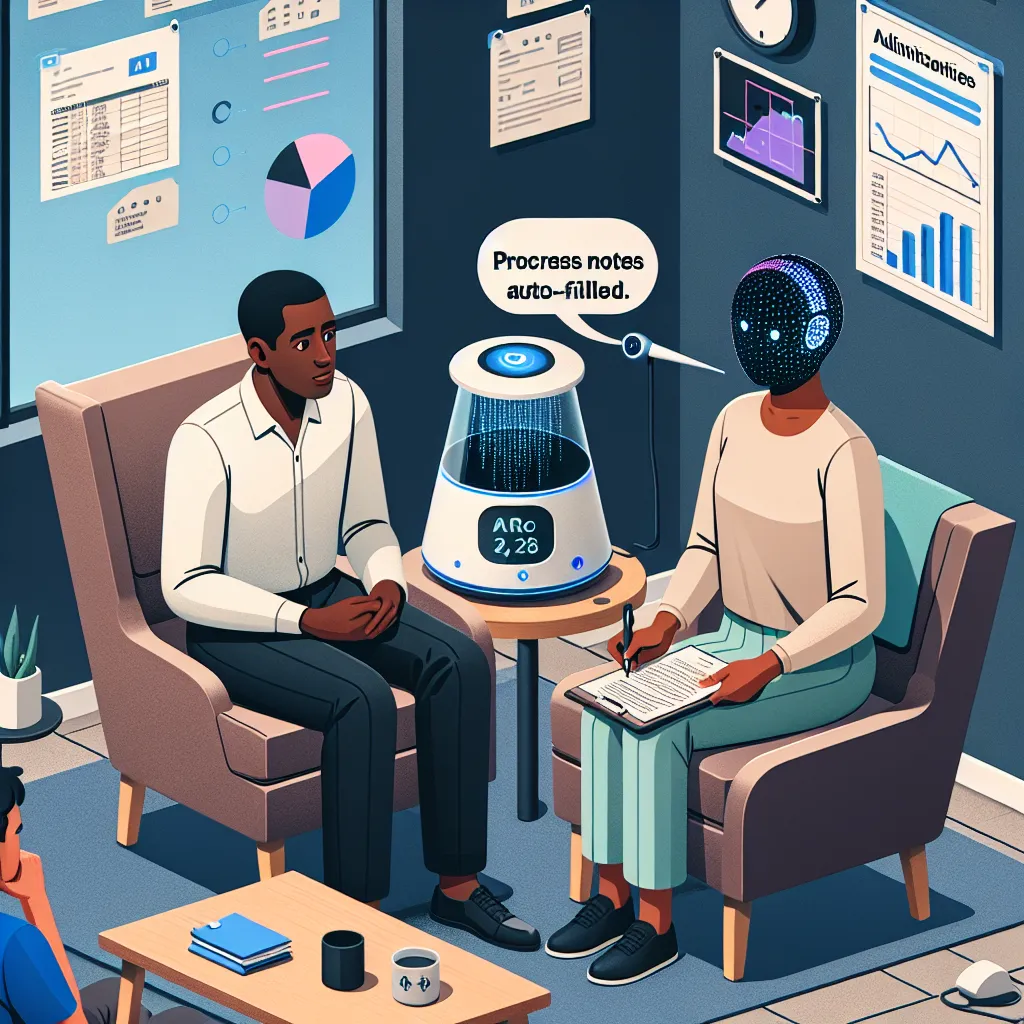
Therapists and psychiatrists spend nearly half their time on notes, diagnoses, care plans, and insurance documentation — a burden that software has never meaningfully solved. A behavioral-health-specific AI listens to sessions, generates accurate progress notes, updates diagnoses using DSM-aligned structures, and drafts care plans that meet reimbursement requirements. Unlike medical scribes for hospitals, this domain requires deep emotional nuance and free-form conversation modeling. Vertical AI shines because it can train on session transcripts and provider feedback loops, making it extremely defensible. Why now? Demand for mental-health services has exploded and provider burnout is at record highs. Imagine a therapist who sees 8 patients/day and ends every session with a fully prepared note + care plan — zero admin after 5pm.
Description
No additional description provided.
The Pitch
The mental health sector is facing unprecedented demand amidst a global shortage of qualified providers. As the world becomes more aware of the importance of mental health, therapists and psychiatrists find themselves burdened not only with providing care but also with the time-consuming task of managing documentation. These professionals often spend a significant portion of their time on administrative tasks such as notes, diagnoses, care plans, and insurance documentation. Current software solutions have not effectively reduced this load, leaving many providers overwhelmed and contributing to high burnout rates.
---
**The Problem**
In the daily routine of a mental health professional, a large chunk of time is devoted to administrative tasks that take away from patient care. Documentation requirements are strict, notes need to be comprehensive and aligned with reimbursement stipulations, and all these need to be completed while maintaining patient confidentiality and regulatory compliance. This burden only grows as demand for mental health services continues to rise. Therapists find it difficult to manage their time effectively, leading to extended work hours and reduced job satisfaction.
---
**The Solution**
There exists a significant opportunity to revolutionize how mental health documentation is managed through the use of a behavioral-health-specific artificial intelligence. This AI solution would listen in on therapy sessions, generate accurate and detailed progress notes, update diagnoses using DSM-aligned structures, and draft care plans that adhere to reimbursement requirements. By focusing on the nuances of emotional communication and free-form conversation, this AI would provide a unique solution better suited to the needs of mental health professionals than generic medical transcription technologies.
---
**Product Details**
This proposed AI tool is designed to integrate seamlessly into a therapist's existing workflow:
1. **Session Integration**: The AI listens to live or recorded sessions, capturing key details with high accuracy.
2. **Progress Note Generation**: Leveraging natural language processing, the AI produces detailed progress notes promptly at the end of each session.
3. **Diagnosis Updates**: Utilizing DSM-aligned structures, it ensures updates are clinically accurate and beneficial for ongoing treatment planning.
4. **Care Plan Drafting**: It drafts care plans that meet specific reimbursement criteria, significantly cutting down on follow-up paperwork.
5. **Provider Feedback Loops**: It continuously refines its understanding and capabilities through feedback from providers, ensuring it evolves to meet their needs efficiently.
---
**Tools for MVP Launch**
To create and launch this MVP, the following tools and platforms can be employed:
- **Speech Recognition API**: Utilize robust services like Google Cloud’s Speech-to-Text or IBM Watson to accurately capture spoken content.
- **Natural Language Processing (NLP) Libraries**: Implement libraries such as SpaCy or Hugging Face Transformers to process language data and extract meaningful insights.
- **Customizable AI Models**: Build on platforms like OpenAI to create AI models finely tuned for emotional nuance and conversational contexts specific to mental health care.
- **Secure Cloud Platforms**: Use services like AWS or Azure for secure data storage and compliance with health data regulations.
---
**Go-to-Market Strategy**
1. **Partnerships**: Collaborate with industry associations to build credibility and access networks of potential users.
2. **Pilot Programs**: Launch pilot programs with small to mid-sized clinics to gather real-world usage data and testimonials.
3. **Webinars and Training**: Educate therapists on the benefits and usage of AI in documentation via regular webinars and workshops.
4. **Freemium Model**: Offer a basic version free of charge, with premium features available on a subscription basis to attract new users.
---
**Business Model**
The business model can be subscription-based, offering different tiers based on the size of the practice and the features they require. A tiered pricing strategy ensures accessibility for individual practitioners and larger clinics alike. Further monetization can include offering data analytics and insights as add-ons, providing additional value to premium subscribers.
In summary, creating a specialized AI tool for mental health documentation addresses a pressing need while offering technology an otherwise underserved industry. By maximizing efficiency and reducing burnout, therapists can better focus on their core mission of delivering quality care.