AI Tool Optimizes Restaurant Menu Decisions
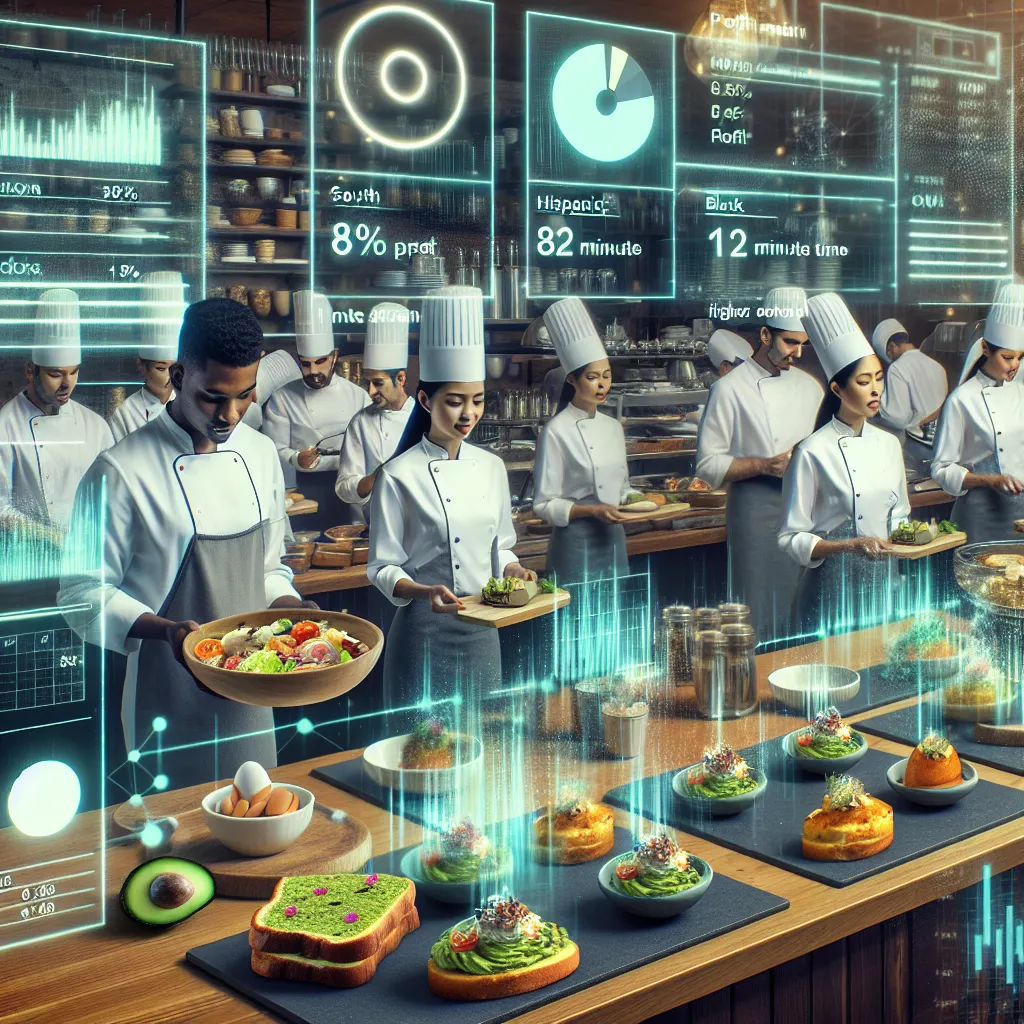
Restaurants rely on gut feeling to decide what’s on their menu. This AI tool analyzes order data, profit margins, prep time, and seasonality to recommend menu tweaks — what to kill, highlight, or bundle. The trend: restaurant tech is evolving, but most still use pen, paper, and intuition. For example, a café learns its avocado toast makes 8% margin and takes 12 minutes to prepare. AI suggests swapping it for a higher-margin egg bowl. Sales and kitchen flow both improve.
Description
No additional description provided.
The Pitch
In the dynamic landscape of the foodservice industry, restaurants often rely on intuition and traditional methods to determine their menu offerings. Despite advancements in technology, many establishments continue to use outdated practices such as pen, paper, and gut feeling to make crucial decisions about their menus. This approach can lead to inefficiencies, missed opportunities, and suboptimal profits. Here lies an opportunity to leverage technology to facilitate more informed decision-making. The solution presented here is an AI tool designed to optimize restaurant menus by analyzing key data points.
Backstory:
In today's competitive restaurant environment, owners and managers need to make quick and informed decisions about what to offer their customers. However, their current reliance on intuition can result in undervaluing profitable dishes or investing in menu items that underperform in terms of profit margins or preparation time. While some restaurants attempt to adapt to new technologies, the majority still struggle to embrace data-driven solutions. This challenge poses a significant barrier to maximizing revenue and overall efficiency.
Problem:
Many restaurants do not have a systematic way to analyze their order data, profit margins, preparation times, and seasonal trends. This lack of structured analysis often leads to:
1. Inefficient menu offerings that reduce potential profits. 2. Long preparation times that slow kitchen operation and reduce customer satisfaction. 3. Missed chances to capitalize on seasonal trends and customer preferences.
Solution:
An AI-driven tool that provides actionable insights by analyzing comprehensive data from various aspects of restaurant operations could be transformative. This solution would empower restaurant managers with data-backed recommendations on which menu items to retain, modify, or eliminate. By offering clear guidelines on the optimal balance of profitability, kitchen flow, and customer preferences, the AI tool can revolutionize how menus are curated.
Product Details:
The proposed AI tool would offer the following features:
1. **Data Analysis:** Compile and examine data from order history, cost structures, and preparation times. 2. **Margin Calculation:** Evaluate the profitability of each menu item by analyzing cost versus sales data. 3. **Trend Identification:** Utilize machine learning to detect seasonal patterns and popular customer choices. 4. **Actionable Recommendations:** Provide clear suggestions to remove, highlight, or bundle menu items to increase profitability and efficiency. 5. **User-Friendly Dashboard:** A visually intuitive interface allowing restaurant owners to easily interpret data and insights.
Tools for MVP Launch:
1. **Data Aggregation Platform:** Use existing POS systems that collect order histories and sales data. 2. **AI and Machine Learning Libraries:** Implement libraries such as TensorFlow or Scikit-learn for developing predictive models. 3. **Cloud Services:** Utilize cloud computing, like AWS or Google Cloud, for data storage and processing. 4. **User Interface Development:** Create a UI using frameworks such as React or Angular for smooth user interaction.
GTM Strategy:
1. **Target Market:** Aim initially at small to medium-sized restaurant chains that are more agile and open to innovative solutions. 2. **Partnerships:** Collaborate with POS vendors to integrate the AI tool into their service offerings. 3. **Pilot Programs:** Deploy the tool in select restaurants for trial periods to gather feedback and refine features. 4. **Education and Training:** Provide resources and training sessions for restaurant staff to ensure smooth adoption and utilization.
Business Model:
1. **Subscription-Based:** Charge a monthly fee for access to the tool, with tiered pricing based on restaurant size and number of features accessed. 2. **Freemium Model:** Offer basic functionality for free, with advanced analytics and custom reporting available for a premium. 3. **Co-Branding Opportunities:** Offer co-branding opportunities for POS vendors and other restaurant tech companies.
This solution aims to revolutionize the way restaurants approach their menu curation, leading to enhanced profitability, better customer satisfaction, and a more efficient kitchen operation. By using data-driven insights, restaurants can transition from relying solely on intuition to a more strategic, informed decision-making process.