AI Tool for Analyzing Confidence in Zoom Calls
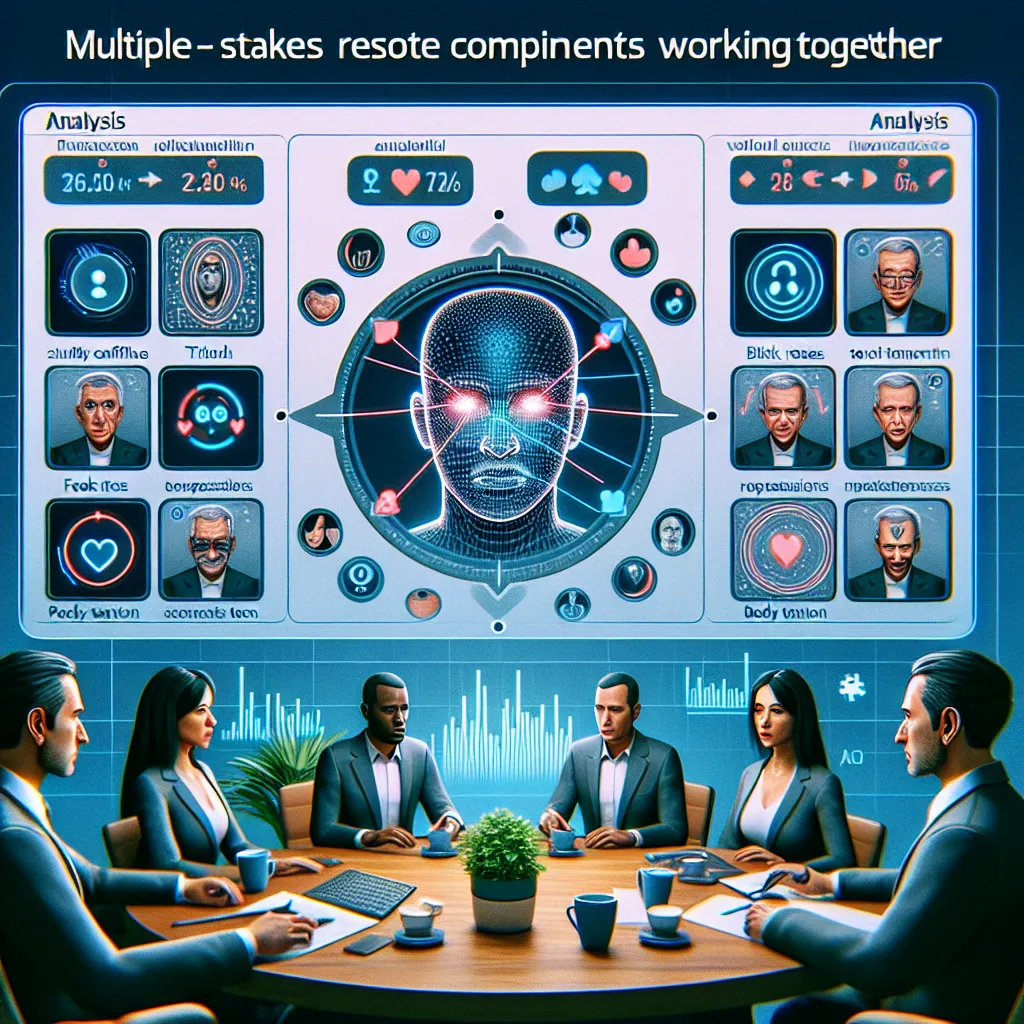
An AI-powered tool that analyzes facial micro-expressions, blink rates, tone shifts, and body tension during Zoom calls to detect confidence, discomfort, or potential deception. Originally inspired by poker “tell” analysis, it's reimagined for high-stakes remote interactions like VC pitches, sales meetings, or negotiations. Provides subtle, real-time insights—not judgments—so professionals can adapt on the fly and build more intuitive trust.
Description
No additional description provided.
The Pitch
In a digital age where remote interactions have become the norm, understanding non-verbal cues during virtual meetings has emerged as a significant challenge. Traditional face-to-face interactions naturally encompass the reading of body language and subtle expressions, but these elements are difficult to discern over video calls. Inspired by the nuanced analysis employed in poker to detect tells, there is an opportunity to develop a groundbreaking tool that provides real-time insights into non-verbal communication during high-stakes virtual meetings.
Background:
The genesis of this concept stems from the world of poker, where players often rely on observing the slightest physical cues to gain an advantage. With the rise of remote work, industries such as venture capital, sales, and negotiations—which heavily depend on understanding counterparts—find themselves at a loss without these valuable insights. Despite advanced communication technologies, the inability to easily interpret non-verbal signals can lead to misunderstandings or missed opportunities.
Problem Statement:
In virtual meetings, professionals often struggle to accurately gauge the sentiments and intentions of their counterparts. This inability can affect decision-making processes, leading to miscommunications, decreased trust, and potentially lost deals. The gap in effectively reading non-verbal cues like facial expressions, blink rates, and body tension is a significant barrier for success in remote professional interactions.
Solution:
The solution lies in developing an AI-powered tool that analyzes facial micro-expressions, blink rates, tone shifts, and body tension during video calls. This tool will leverage computer vision and natural language processing technologies to provide participants with real-time insights into the emotional and psychological states of their counterparts. By identifying signs of confidence, discomfort, or potential deception without making judgments, professionals can adapt their strategies on the fly and build more intuitive trust.
Product Details:
1. Features: - Real-time analysis of video input to detect micro-expressions, blink rates, and body tension. - Tone analysis to identify emotional shifts in voice and speech patterns. - Dashboard-style insights that highlight cues of confidence or discomfort.
2. Technologies and Tools: - Computer vision algorithms to track facial and body movements. - Natural language processing for tone and speech analysis. - Integration with popular video conferencing platforms like Zoom or Microsoft Teams. - Front-end UI/UX design that presents insights discretely during calls.
3. Security and Privacy: - Strong data privacy measures ensuring that analyzed data is not stored or misused. - Transparent user consent processes for ethical AI deployment.
Go-to-Market Strategy (GTM):
- Target Market: Corporate sectors engaged in high-stakes video conferencing, including sales, HR recruitment, venture capital, and legal negotiations. - Marketing Approach: - Develop educational content highlighting the tool's benefits in enhancing communication. - Partner with influencers and experts in communication skills to broaden reach. - Use targeted digital marketing campaigns focused on LinkedIn and other professional networks. - Pilot Programs: Roll out trial versions to select organizations to gather feedback, testimonials, and case studies that can be used in broader marketing efforts.
Business Model:
- Subscription-Based: Offer tiered subscription plans based on the frequency of use and the number of users per organization. - Enterprise Solutions: Create customized packages for large corporations. - Freemium Model: Provide basic insights for free with an option to upgrade to premium features.
Conclusion:
As remote communication continues to play a pivotal role in professional environments, an AI-powered tool that bridges the gap of non-verbal cue interpretation holds significant promise. By delivering real-time insights that professionals can act on, this solution not only enhances communication but also fosters a deeper sense of understanding and trust in virtual interactions. Embracing this innovation could redefine the dynamics of online meetings and set the stage for more effective remote collaborations.