AI Tool Ensures Ethical and Quality Dupes
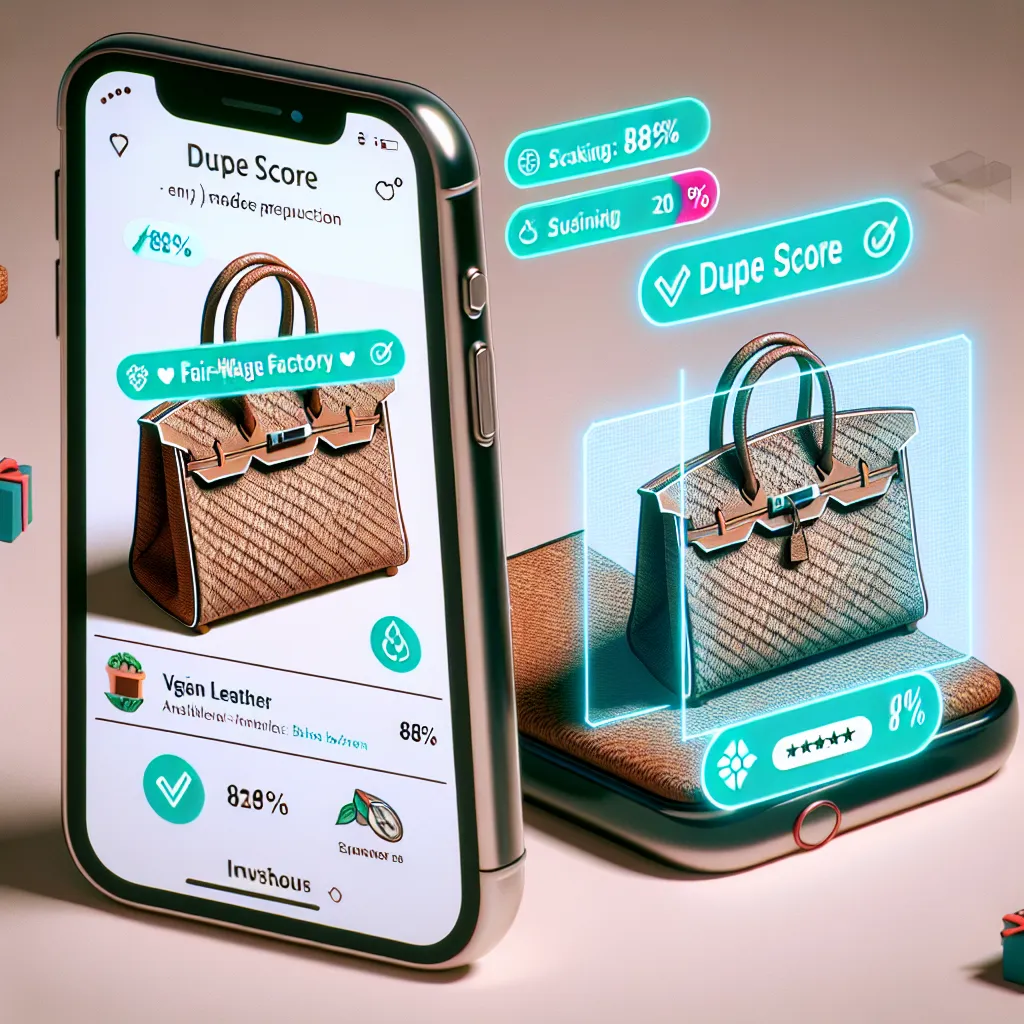
The dupe economy is exploding, but most shoppers can’t tell if a $40 “designer lookalike” is actually well-made and ethically sourced or just a poor-quality knock-off hiding behind trendy photos. This lack of transparency leaves buyers frustrated and erodes trust. The solution is a browser extension and mobile app that uses AI image recognition and a crowdsourced database to scan product listings, match them against originals, and provide a “Dupe Score” along with details on materials, supplier practices, and sustainability. Gen Z is driving the dupe trend, but they also value authenticity, ethical production, and informed spending. For example, someone shopping for a Birkin-style bag on Amazon could click the DAV icon and instantly see it’s 88% visually similar, made of vegan leather, and sourced from a certified fair-wage factory—giving them the confidence to purchase without feeling duped.
Description
No additional description provided.
The Pitch
In recent years, the dupe economy has seen significant growth, primarily propelled by consumer interest in affordable alternatives to high-end designer products. However, a major challenge for shoppers is evaluating whether a $40 “designer lookalike” is of good quality, ethically produced, or merely a shoddy imitation relying on appealing images. This lack of transparency not only leaves buyers frustrated but also undermines trust in the marketplace.
To address this issue, consider developing a digital tool that serves as a bridge between consumers and transparent, reliable product information. The proposal is to create a browser extension and mobile app that leverage AI image recognition technology, paired with a robust crowdsourced database. This tool would be capable of scanning product listings, comparing them to original designer items, and assigning a “Dupe Score.” This score would be accompanied by detailed insights into the materials used, supplier practices, and the sustainability of the product.
Understanding the target audience for this tool is crucial. Gen Z, the demographic driving the dupe trend, is not only interested in affordable alternatives but also values authenticity, ethical manufacturing, and informed purchasing decisions. An example scenario would be a user shopping for a Birkin-style bag on Amazon. By clicking on the app’s icon, they could quickly determine that the bag is 88% visually similar to the original, made of vegan leather, and sourced from a factory that guarantees fair wages. This information enables users to make confident purchasing decisions without the fear of being deceived.
To bring this solution to life, several key components are necessary:
1. Technological Infrastructure: - Develop AI-driven image recognition capabilities to effectively compare product listings with original designs. - Build a scalable, crowdsourced database that aggregates user input and updates product information continuously. - Create a user-friendly interface for both the browser extension and mobile application.
2. Launching an MVP: - Focus on a minimum viable product by supporting popular platforms such as Amazon, eBay, and Etsy. - Prioritize product categories of high interest to Gen Z, such as fashion, accessories, and household items. - Conduct user testing to gather feedback and iterate on user experience and functionality.
3. Go-To-Market Strategy: - Engage with influencers and social media platforms popular among Gen Z to create awareness and build trust. - Utilize content marketing to educate users on the value of transparency and ethical consumption. - Partner with retail platforms to promote the app and gain an early user base.
4. Business Model: - Consider a freemium model, offering basic functionality for free and premium features through a subscription or one-time purchase. - Explore partnerships with ethical brands to feature and promote verified products on the platform. - Investigate the potential for affiliate marketing, earning commissions on purchases made through the app.
By focusing on transparency and ethical consumption, this tool can empower consumers, especially Gen Z, to make informed purchasing decisions, thereby fostering trust in the marketplace and supporting ethical production practices.