AI Therapy Companion: Revolutionizing Mental Health Support with Personalized Virtual Counselors
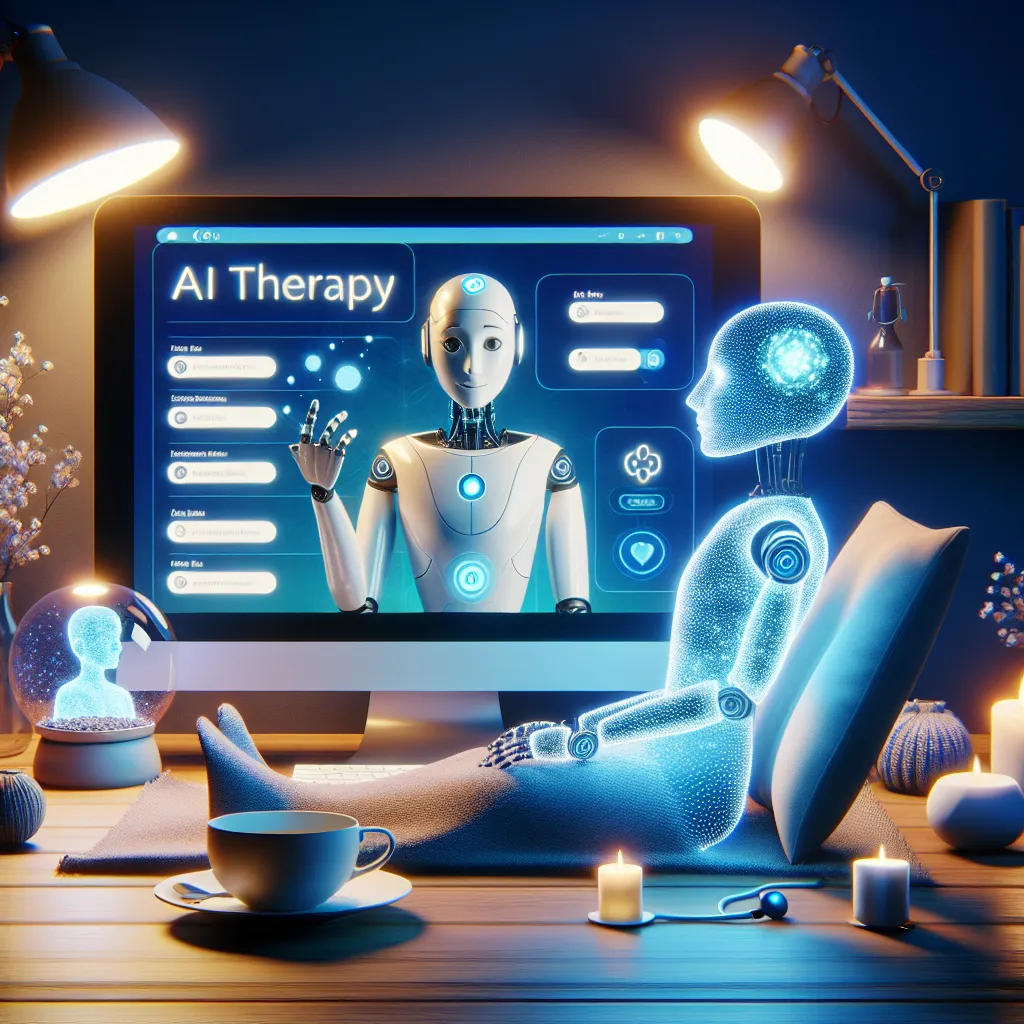
Description
AI Therapy. Like MyReplika for therapy.
The Pitch
Despite the critical importance of mental health, global access to mental health services remains insufficient. High costs, societal stigma, and a lack of available therapists in many regions leave significant portions of the global population without effective therapeutic support. According to WHO, nearly two-thirds of individuals with known mental disorders never seek help from a health professional. The demand for therapy exceeds the available supply, presenting an urgent need for scalable, accessible, and affordable solutions.
Solution Overview: AI Therapy introduces a scalable, AI-driven therapeutic platform modeled after the personal interaction style of MyReplika but focused specifically on delivering cognitive behavioral therapy and other therapeutic techniques. By leveraging advanced AI natural language processing and machine learning algorithms, AI Therapy provides users with a highly personalized and interactive therapeutic experience. This platform is accessible via smartphone apps and web browsers, ensuring accessibility for a vast user base.
Target Audience: Our primary target audience includes individuals experiencing mild to moderate mental health issues, such as anxiety and depression, who may lack the resources or inclination to seek traditional therapy. This includes young adults, tech-savvy users, and those living in areas with a scarcity of mental health professionals. Additionally, the platform can serve as a supplementary tool for therapists and mental health organizations looking to provide additional support to their clients.
Value Proposition: AI Therapy offers confidential, immediate, and 24/7 support to its users, overcoming three major barriers of traditional therapy: cost, accessibility, and stigma. Our solution stands out by providing an empathetic AI that learns and adapils to the individual’s emotional needs, creating a safe space to explore personal issues. Moreover, it disrupts traditional therapy models by making mental health support more proactive and preventive.
Market Analysis: The global mental health software market size was valued at over USD 4 billion in 2022 and is expected to grow at a compound annual growth rate of approximately 17% from 2023 to 2030. Increasing prevalence of mental disorders and growing acceptance of telehealth amongst both practitioners and patients support a strong market demand for digital mental health services. Competing services like Talkspace and BetterHelp underscore the market’s viability but often remain cost-prohibitive; our AI-driven model presents a more accessible option.
Implementation Plan: Our rollout will occur in three phases. Initially, we will develop the basic AI capabilities and launch a beta version to gather user feedback and implement necessary adjustments. The second phase will focus on enhancing AI's understanding and responsiveness by integrating psychological frameworks and expanding our data training sets. In the final stage, we aim for a full-scale launch, including rigorous testing to refine AI behaviors and ensure compliance with international data protection and privacy regulations.
Monetization Strategy: AI Therapy will operate on a freemium model. Basic interactions and support will be free, ensuring accessibility. Premium monthly subscriptions will offer advanced features such as more in-depth analysis, mood tracking, personalized mental health exercises, and integration with wearable tech for physiological feedback. We will also explore partnerships with healthcare providers and educational institutions for wider access possibilities, alongside potential licensing of our AI technology.
Impact Assessment: The anticipated impact of AI Therapy is vast – from significantly increasing the global accessibility of mental health resources to reducing the stigma associated with seeking help. By providing an early intervention tool, we aim to decrease the number of acute mental health crises and subsequent healthcare usage. Long-term, AI Therapy seeks to contribute to a world where anyone can receive the help they need at the time they need it, potentially saving lives and enhancing the overall quality of life for users worldwide.