AI Superintendent Streamlines Construction Site Management
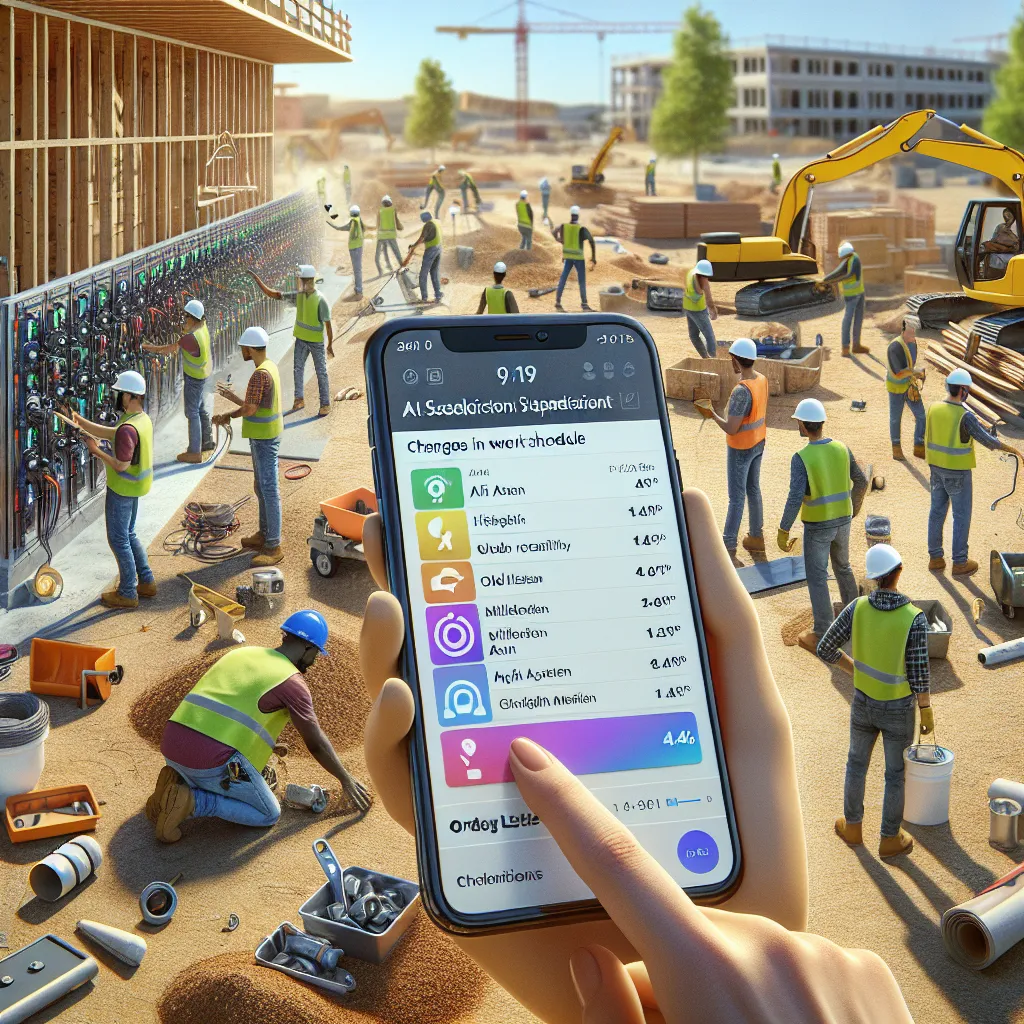
Construction sites run on text chains, scribbled notes, inconsistent schedules, and a thousand micro-decisions lost between subcontractors. Small contractors can’t afford full-time superintendents, yet delays and miscommunication destroy margins. A vertical AI superintendent lives on a phone: it generates schedules, logs daily reports from photos and voice notes, tracks completion percentages, orders materials, files OSHA paperwork, and pushes updates to all subs. Traditional SaaS digitized documents; this agent performs the job. Why now? Because multimodal AI can finally understand scenes, tools, progress markers, and site conditions. A $5M contracting firm could eliminate weeks of delays per project. Picture a site where the AI spots an electrical rough-in delay and automatically updates the full schedule + notifies all affected trades before anyone arrives tomorrow.
Description
No additional description provided.
The Pitch
In the bustling environment of construction sites, inefficiencies often reign supreme, and communication remains fragmented at best. Traditionally, these sites have depended on a mix of text messages, hurried notes on scrap paper, and erratic scheduling to keep projects moving forward. For small contractors, who can seldom afford the expense of full-time superintendents, the resulting delays and miscommunications can severely impact their bottom line.
Enter the concept of a virtual AI superintendent—a revolutionary approach designed to streamline the construction process. This AI-powered system resides on a smartphone, bringing a suite of capabilities to the site management process. By automatically generating schedules, logging daily reports from photos and voice recordings, tracking project completions, ordering materials, and filing necessary paperwork, the AI does more than just digitize documents; it effectively performs the duties of a superintendent.
The opportune time to introduce such innovation is now. With the advent of advanced multimodal AI, these systems can comprehend complex scenes, recognize tools and progress markers, and assess site conditions comprehensively. Such technological advancements mean that a contracting firm with an annual revenue of $5 million could potentially curtail weeks of delays on a typical project—significantly enhancing both efficiency and profit.
To illustrate, imagine a scenario where the AI detects a delay in electrical rough-in installation. It would promptly update the overall project schedule and notify all impacted subcontractors before the following workday begins—averting potential downtime and fostering seamless collaboration.
For those keen on building this transformative solution, the journey could begin with selecting an array of development tools and platforms that simplify the launch of this Minimum Viable Product (MVP). Leveraging frameworks like TensorFlow or PyTorch could facilitate the development of the AI's computer vision and natural language processing capabilities. Tools like Flutter or React Native might be instrumental in creating a user-friendly mobile application interface. To support communication and manage data, cloud platforms such as AWS or Google Cloud offer robust infrastructure.
Strategically entering the market with this product should involve a carefully mapped-out Go-To-Market (GTM) strategy. This could include pilot programs with selected contracting firms to showcase the AI's potential impacts, followed by testimonials and case studies to drive wider adoption. Positioning this AI superintendent as an affordable alternative to traditional human resources could appeal to smaller firms seeking cost-effective solutions.
The business model might be best structured around a subscription model, making it financially accessible while encouraging long-term engagement and steady revenue streams. Additional income could be generated by offering advanced analytics or integration services as premium features.
By addressing these prevailing construction site challenges with a visionary AI solution, the resulting efficiency and cohesion could redefine project management for contractors across the industry.