AI Reviewer: Enforcing Code Accountability and Justification
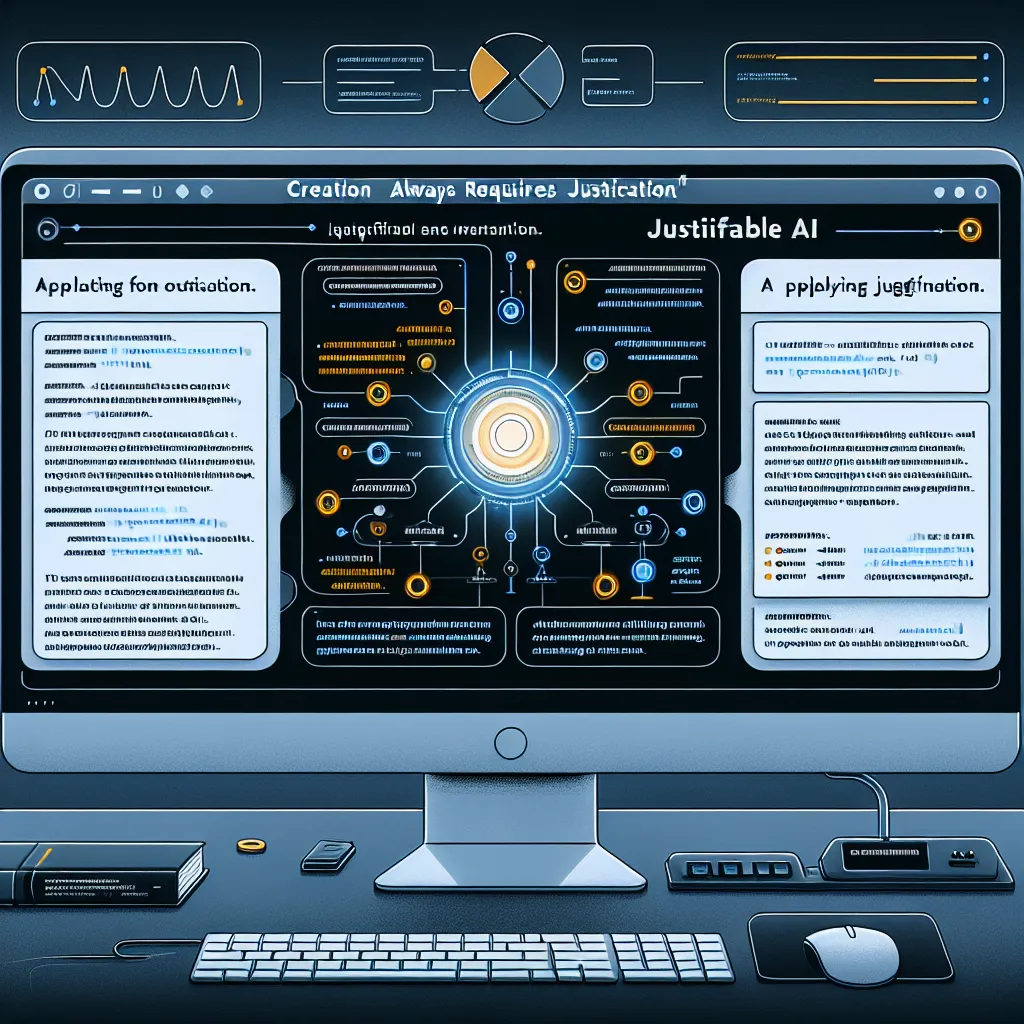
LLMs already write code that works. What they don’t reliably do is write code that should exist. The missing layer isn’t better generation—it’s accountability. This product acts as an AI-native reviewer that every generated pull request must pass through. It doesn’t lint syntax or style; it interrogates intent. Why does this function exist? What breaks if it fails silently? Does this logic introduce irreversible side effects? It compares the generated code against known failure patterns, compliance rules, and organizational norms—then forces the model to respond. The key insight is that AI should be forced to explain itself in a way humans rarely are. As models get cheaper and faster, the bottleneck shifts from creation to justification. This company exists because “it runs” stopped being a sufficient bar for shipping.
Description
No additional description provided.
The Pitch
In a rapidly evolving digital landscape, the efficiency and creativity of AI-driven code generation have set new benchmarks in software development. However, there remains a crucial gap in ensuring the code doesn't just function but also aligns with best practices, security protocols, and organizational standards. Traditional code review processes focus largely on syntax and style. The absence of a robust mechanism to interrogate the rationale behind AI-generated code has led to potential vulnerabilities and inefficiencies. This proposal outlines a solution to address this gap by introducing an AI-native code review platform dedicated to comprehending and justifying the intent behind generated code.
### Backstory
As large language models (LLMs) become more adept at writing functional code, the expectations and dependencies on AI for software development have skyrocketed. However, developers and organizations face mounting concerns about the reliability and implications of deploying AI-generated codes without adequate oversight. While these models effectively produce code snippets that run, they seldom provide insights into the purpose, potential failures, and compliance implications, often leaving teams to grapple with unseen risks.
### Problem
1. *Lack of Intent Scrutiny*: AI-generated code may operate correctly but often lacks an understanding of its underlying intent, leading to risks when implemented in critical systems.
2. *Compliance and Security Risks*: Without deliberate review, such code can inadvertently sidestep compliance protocols and introduce security loopholes.
3. *Organizational Misalignment*: AI-generated solutions might not always align with an organization's unique norms and practices, leading to inefficiencies and technical debt.
### Solution
The proposed solution is an AI-native code accountability platform that functions as an intermediary reviewer before any AI-generated pull request (PR) is approved. Unlike conventional linters or static analysis tools, this platform will interrogate the code's intent, compliance status, and potential risks.
### Product Details
- **Intent Interrogation Engine**: Analyzes the purpose and implications of code functionality beyond mere execution success. - **Risk and Compliance Checker**: Scans for potential compliance breaches and security vulnerabilities against a database of known failure patterns. - **Organizational Norm Alignment**: Enures code adheres to specific organizational standards and practices. - **Interactive Feedback Loop**: Forces AI models to respond and justify coding decisions, promoting transparency.
### Tools for MVP Launch
1. **Backend Development**: Python with Flask for setting up the server-side logic. 2. **Frontend Framework**: React for an interactive user interface. 3. **AI Integration**: OpenAI or Hugging Face APIs for leveraging state-of-the-art LLMs. 4. **Database**: PostgreSQL for storing compliance rules, organizational standards, and code patterns. 5. **Deployment**: Docker and Kubernetes for containerization and scaling.
### Go-To-Market Strategy
1. **Target Audience**: Initially focusing on tech companies with an emphasis on security and compliance, and later scaling to broader market segments. 2. **Partnerships**: Collaborate with DevOps platforms and AI tools to integrate the solution as a plugin or add-on. 3. **Content Marketing**: Develop educational content that highlights the risks of unverified AI-generated code and the benefits of the platform. 4. **Pilot Programs**: Offer pilot programs to early adopters in exchange for feedback and testimonials.
### Business Model
1. **Subscription-Based Model**: Monthly or annual subscriptions per developer or team, with tiers based on feature access. 2. **Enterprise Licensing**: Custom pricing for larger organizations requiring extensive integration and support. 3. **Consulting Services**: Offer consultation to help companies tailor the platform to their specific needs and standards.
By bridging the gap between code generation and intent accountability, this platform ensures that AI-generated code not only functions but does so with clarity, security, and alignment with organizational values. Through rigorous interrogation and feedback, AI models will finally be pushed to justify their outputs, elevating the quality and reliability of AI-assisted software development.