AI-Powered Video Game Creation for Everyone
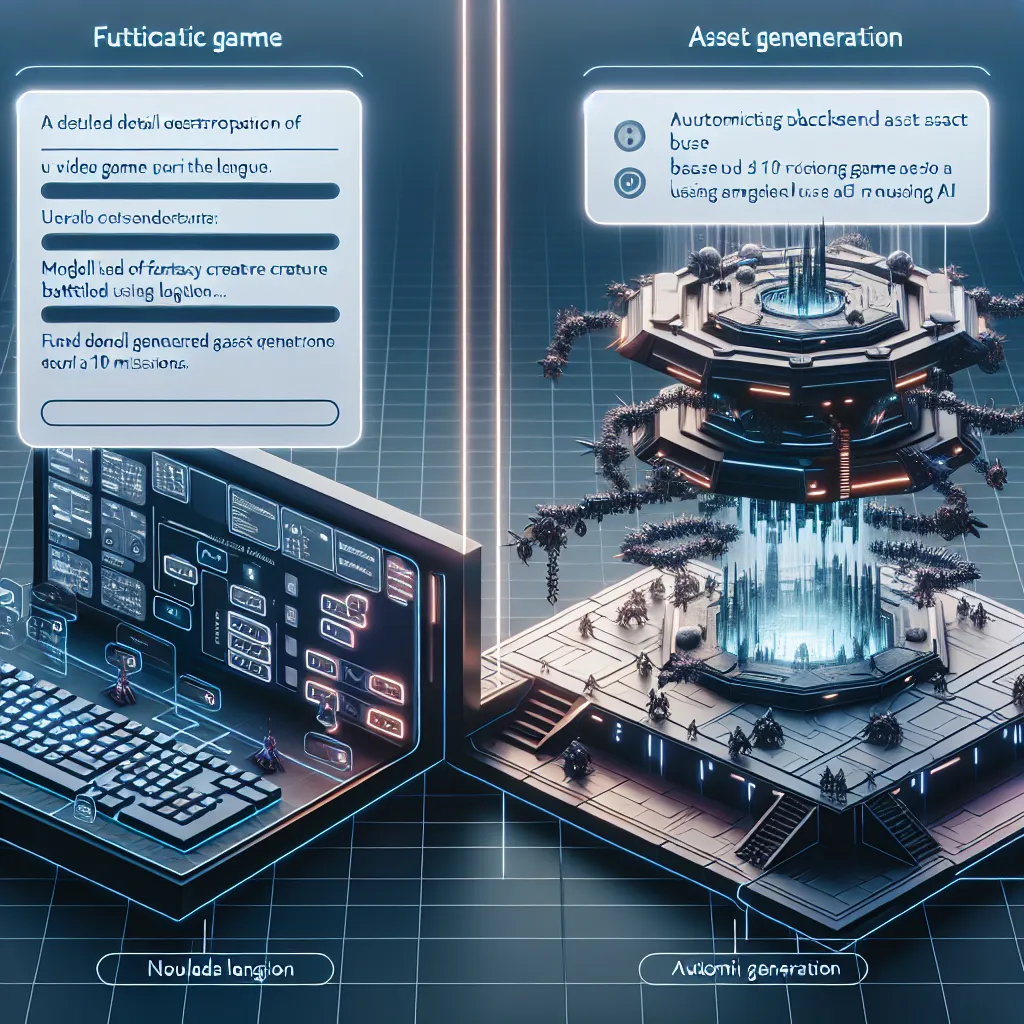
Creating video games is still out of reach for most people due to the technical demands of coding, design, and using complex game engines. This idea proposes a “V0 for video games”—a prompt-based platform where users describe a game in plain language (e.g., “a 3D Pokémon-style RPG with 10 missions”), and the system generates a working game using AI. V0 is an existing tool by Vercel that lets users build and deploy web apps through prompts, automating frontend, backend, and hosting setup. The same approach could be applied to games: pairing a simplified creation interface with AI-driven asset generation and game logic.
Description
No additional description provided.
The Pitch
The video game industry is a multi-billion dollar sector, capturing the attention and imagination of people worldwide. However, the creation of video games remains largely inaccessible to those without technical expertise in coding, design, and the use of complex game engines. The process of game development typically requires a proficient understanding of programming languages, graphical design skills, and familiarity with platforms like Unity or Unreal Engine. Consequently, this complexity often leaves creative individuals without technical expertise on the sidelines.
The Problem
Despite the democratization of various creative fields—such as video editing and music production—video game development still poses considerable challenges for the average person. The steep learning curve associated with game development tools acts as a barrier, preventing innovative ideas from materializing into playable games. This gap in accessibility not only hinders individual creators but also stifles potential innovation in the gaming industry.
The Solution
Imagine a platform where anyone can create a video game by simply describing it in plain language. By leveraging AI and drawing inspiration from V0 by Vercel—a tool that automates the setup of web applications through user prompts—such a platform could streamline game development into an intuitive process accessible to all. Users would need only to articulate their game concept (e.g., a 3D Pokémon-style RPG with 10 missions), and the system would automatically generate a working game. This solution democratizes game development, enabling creativity without the necessity for technical skills.
Product Details
1. User Interface: A simple, user-friendly interface where users input game concepts in text. 2. AI-driven Game Generation: Employ AI algorithms to process the user’s input, generating necessary game assets (characters, environments) and logic automatically. 3. Customization: Allow users to tweak certain elements post-generation, like character names, mission details, or environmental features, to add a personal touch. 4. Asset Library: Utilize a repository of pre-existing assets and models that the AI can modify to fit the game’s context. 5. Platform Compatibility: Ensure games are compatible across various devices and operating systems.
Tools for Easy Launch as an MVP
- Use existing AI models for language processing and image generation, such as GPT and DALL-E, tailored to interpret gaming instructions and create visual content. - Integrate a lightweight game engine suitable for automated use, such as Godot, which can be scripted to respond to the AI’s instructions. - Develop cloud-hosted databases and CDN services for scalable game asset storage and fast delivery.
Go-To-Market Strategy
1. Target Audience: Aim at casual game makers, artists, and indie developers who lack technical prowess but are rich in creative ideas. 2. Partnerships: Collaborate with educational institutions and online learning platforms to offer the tool as part of their creative technology courses. 3. Community Building: Foster an online community where users can share their games, offer feedback, and learn—driving engagement and attracting new users. 4. Promotion: Leverage social media, gaming conventions, and streaming platforms to showcase user-generated games and the platform's capabilities.
Business Model
1. Freemium Plan: Provide a basic version that allows users to create simple games for free. Monetize advanced features like enhanced asset libraries and storage or certain high-quality export options. 2. Subscription Tiers: Offer monthly subscriptions for more extensive usage, including commercial licensing and dedicated support. 3. Marketplace Sales: Facilitate a marketplace for users to sell their games or game assets, taking a percentage of each transaction.
In essence, such a platform has the potential to revolutionize the game development landscape by lowering entry barriers and fostering a broader range of creative expression in digital gaming. This innovation not only empowers new creators but also enriches the industry with diverse game experiences.