AI-Powered VFX Engine for Realistic Game Graphics
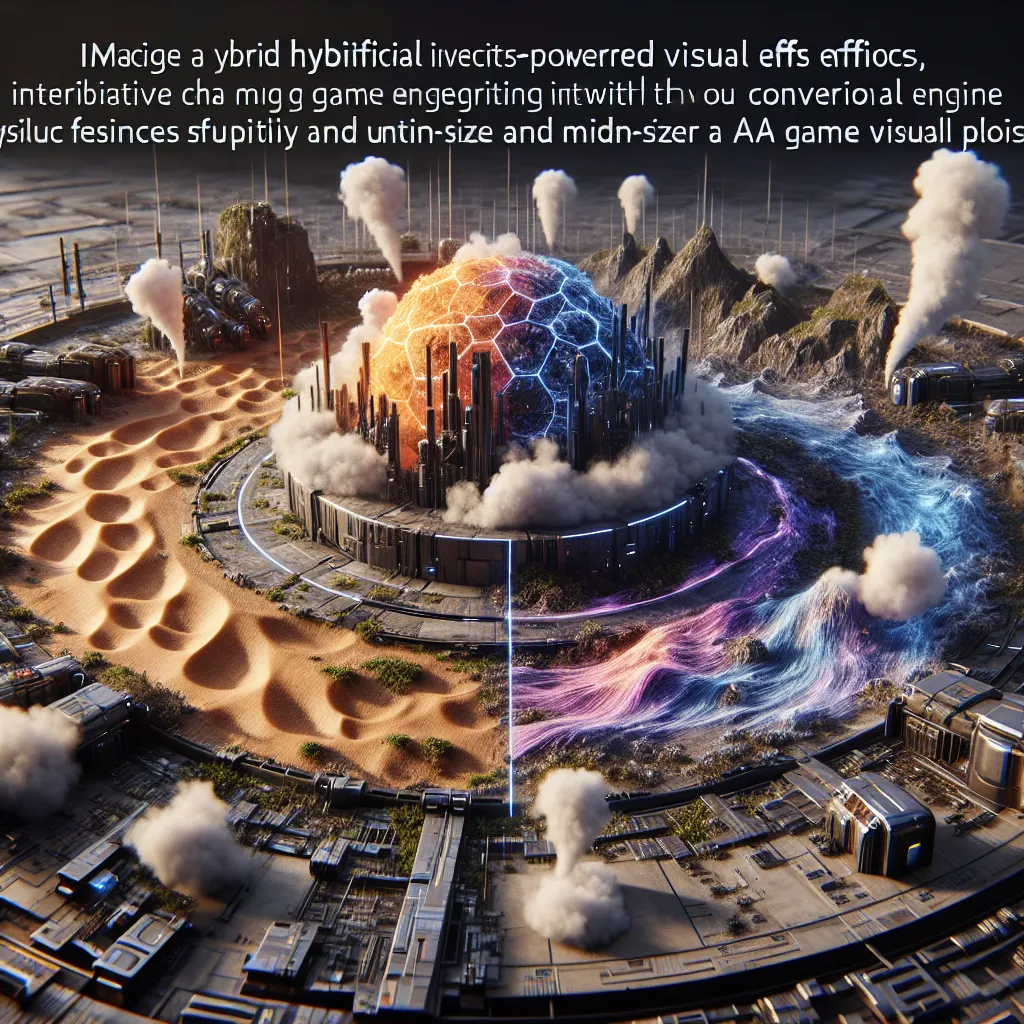
Modern games require precise, deterministic control over the game world—every physics interaction, movement, and event needs to behave exactly as expected. But rendering engines are evolving fast, especially with AI. We’re heading toward a future where game logic remains traditionally simulated (because devs need control and consistency), but cosmetic visual effects—like footprints, sand trails, fabric physics, smoke, wrinkles—are handled by a real-time AI rendering layer. The startup idea? A hybrid AI-powered VFX engine that plugs into existing game engines (like Unity or Unreal) and generates visually rich, non-gameplay-critical effects using machine learning. Instead of spending hundreds of hours crafting bespoke VFX pipelines, game studios could offload that to your engine, which learns from the scene context and adds environmental immersion dynamically. Think: real-time AI-generated aesthetic realism that doesn’t touch core logic. Your value prop? Save time, reduce asset pipeline complexity, and give indie and mid-size studios AAA visual polish.
Description
No additional description provided.
The Pitch
In the rapidly evolving world of game development, the demand for both control and visual excellence is higher than ever. Game developers, especially those in indie and mid-sized studios, often face the challenge of balancing resource constraints with the need to produce captivating visual experiences that engage players. As rendering engines advance, a significant opportunity emerges to leverage artificial intelligence to bridge the gap between traditional gameplay mechanics and cutting-edge visual effects.
Background and Problem: Modern games require a deterministic approach to control the game world. Physics interactions, character movements, and gameplay events must be precise and predictable. Traditional simulation handles these aspects effectively, ensuring developers maintain control and consistency. However, the cosmetic visual effects that add depth to the player's experience—such as footprints in the snow, dynamic fabric movement, or smoke wafting through the air—are resource-intensive to create and manage. These visual effects can dramatically enhance a game's ambiance but often require substantial time and effort from development teams, diverting resources from other critical areas.
Solution: Introducing a hybrid AI-powered visual effects engine designed to seamlessly integrate with existing game engines, such as Unity and Unreal. This engine focuses on generating visually rich, non-gameplay-critical effects. By utilizing machine learning, the engine adapts and learns from the scene context, adding environmental and aesthetic realism dynamically. This allows game studios to offload the creation of these effects, saving immense time and reducing the complexity of asset pipelines.
Product Details: The AI-driven VFX engine would provide a plugin architecture that integrates directly with popular game engines, making the transition smooth for development teams. Key features include:
1. Real-time AI Generation: The engine analyzes the game environment and generates effects such as dynamic weather changes, natural reactions of elements (like sand trails or water ripples), and realistic fabric physics.
2. Customization and Control: Developers retain the ability to customize effects as needed, ensuring that the AI-generated visuals align with their artistic vision and gameplay requirements.
3. Low Latency and Performance Optimization: The engine ensures minimal impact on game performance, allowing high-quality visuals without sacrificing speed or efficiency.
4. Support and Scalability: Designed to support teams of any size, from indie studios to larger companies, enabling access to AAA-level visual polish without the associated cost.
Tools for MVP Launch: To launch the Minimum Viable Product (MVP) efficiently, consider leveraging existing technologies and platforms that accelerate development:
- TensorFlow or PyTorch: For constructing and training neural networks specific to visual effect generation. - OpenAI or similar GPT models: To incorporate natural language processing capabilities for intuitive script generation for effects. - Blender or similar 3D graphics software: To provide a base for testing and iterating on visual models. - Unity Asset Store and Unreal Marketplace: Platforms for early distribution and feedback collection.
Go-To-Market Strategy: 1. Targeted Outreach: Focus initial efforts on indie game developers and small to mid-sized studios that struggle with achieving high-quality visuals due to resource limitations.
2. Strategic Partnerships: Collaborate with game engine developers for co-marketing opportunities, amplifying reach and credibility.
3. Community Engagement: Develop a robust online community where users can share experiences, provide feedback, and guide feature development with early adopters.
4. Freemium Model: Offer a free tier with basic functionality and premium tiers with advanced features and extended support to encourage widespread adoption.
Business Model: Adopt a subscription-based pricing model, providing different subscription levels based on the scale and needs of the game studios. This provides predictable revenue and allows studios to benefit from continuous updates and improvements. Consider revenue-sharing opportunities with major game engine companies for broader distribution channels.
Conclusion: The hybrid AI-powered visual effects engine stands poised to transform the gaming landscape by providing developers with a tool that enhances visual immersion while preserving the integrity of gameplay mechanics. By simplifying the creation of complex visual effects, this solution addresses a critical pain point for developers and opens new avenues for creativity, ultimately elevating the player's experience to new heights.