AI-Powered Stroke Rehab with Personalized Brain Twin
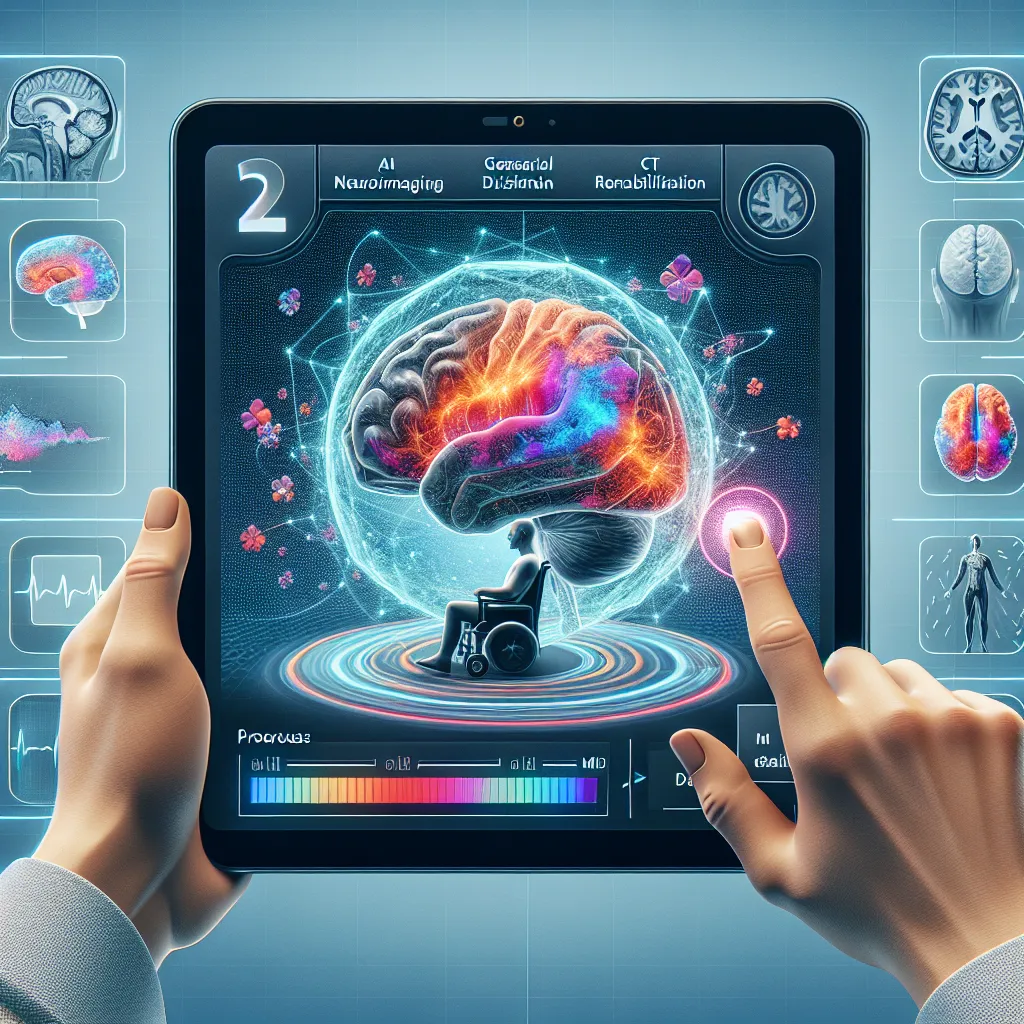
Stroke recovery is currently slow, impersonal, and frustrating. Patients face generic rehab protocols without real-time feedback or personalization, despite strokes being incredibly varied by location and severity. A transformative solution is an AI-powered platform that builds a personalized “stroke twin” — a digital replica of the patient’s brain using their MRI or CT data. This twin simulates optimal recovery pathways and tailors therapy in real time, showing visible progress to keep patients motivated. Advances in neuroimaging, generative AI, and computational modeling now make personalized brain simulations possible. In an era where digital twins are revolutionizing medicine (like for heart disease and cancer treatment planning), applying this to stroke rehab is overdue. Picture an app where patients can literally see parts of their brain regaining function week-by-week — a highly motivating, tailored path to recovery based on their unique injury.
Description
No additional description provided.
The Pitch
Imagine a world where stroke recovery is no longer a slow, generic, and frustrating experience for patients. Currently, individuals facing stroke rehabilitation are met with standard protocols that do not account for the unique intricacies of their condition. Each stroke varies significantly in terms of location and severity, requiring a more tailored approach than what is commonly available today.
The main problem is the impersonal nature of current rehab protocols, which lack real-time feedback and personalization. Despite significant advancements in medical technology, stroke patients endure a one-size-fits-all approach that neither engages nor efficiently aids recovery.
The solution lies in developing an AI-powered platform capable of creating a personalized stroke twin—a digital replica of the patient's brain. This twin is constructed using the individual’s MRI or CT data, allowing it to simulate optimal recovery pathways and tailor therapy in real time. By visually tracking their progress, patients gain a better understanding of their recovery journey, which helps in maintaining motivation.
Recent advances in neuroimaging, generative AI, and computational modeling have paved the way for such personalized brain simulations. While the concept of digital twins is already revolutionizing fields like heart disease management and cancer treatment planning, its application to stroke rehabilitation is long overdue.
Imagine an application where stroke patients can visually track their brain’s recovery from week to week. This innovative approach not only personalizes their therapy but also provides a visible and motivating path to success, uniquely tailored to each patient's injury.
Product Details: - **AI-Powered Digital Twin Creation**: Uses cutting-edge generative AI and neuroimaging to build a digital model of the patient’s brain. - **Personalized Therapy Recommendations**: Utilizes simulations to suggest the most effective rehabilitation exercises. - **Real-Time Feedback**: Offers insights into recovery progress, increasing patient engagement and motivation. - **User Interface**: A visually intuitive app that displays real-time changes and improvements in brain functionality.
Tools to Launch as an MVP: - **Neuroimaging Techniques**: MRI and CT scanning technology to gather data. - **Generative AI Models**: Algorithms that create the digital brain twin. - **Simulation Software**: Tools to replicate and analyze brain function patterns. - **Mobile App Development Platforms**: For building a user-friendly patient interface. - **Cloud Infrastructure**: For data storage and real-time processing capabilities.
GTM (Go-To-Market) Strategy: 1. **Partnerships with Hospitals and Rehab Centers**: Collaborate with medical institutions for adoption and initial feedback. 2. **Pilot Programs**: Implement pilot programs in select clinics to showcase the efficacy of the solution. 3. **Patient Advocacy Groups**: Engage with communities and organizations that support stroke recovery to foster adoption. 4. **Educational Campaigns**: Educate healthcare providers and patients about the benefits of personalized digital twins in enhancing stroke recovery.
Business Model: - **Subscription Model**: Charge healthcare institutions a subscription fee for access to the platform. - **Tiered Pricing**: Offer various levels of access and features, from basic progress tracking to advanced personalized simulation. - **Partnership Revenue**: Establish revenue-sharing agreements with partners in the healthcare sector.
Ultimately, this initiative aims to bring a personalized, engaging, and effective solution to the challenges faced by stroke patients during their rehabilitation journeys. By leveraging advanced technologies, we can significantly improve recovery outcomes and quality of life for countless individuals worldwide.