AI-Powered Room Design Advisor for Everyone
Interior design is overwhelming for most people—what looks good in a magazine rarely works in their living room. Users often lack the expertise to identify what’s wrong with their room layout or how to improve it. With GPT-4o’s image reasoning abilities, a tool could analyze a room photo and offer actionable advice: furniture arrangement, lighting balance, and even feng shui tips. The AI would understand spatial flow and aesthetic composition, helping users optimize without hiring a designer. For example, someone uploads a photo of their bedroom and gets suggestions like “rotate the bed 90° to improve lighting and symmetry.” This could serve realtors, Airbnb hosts, or everyday homeowners.
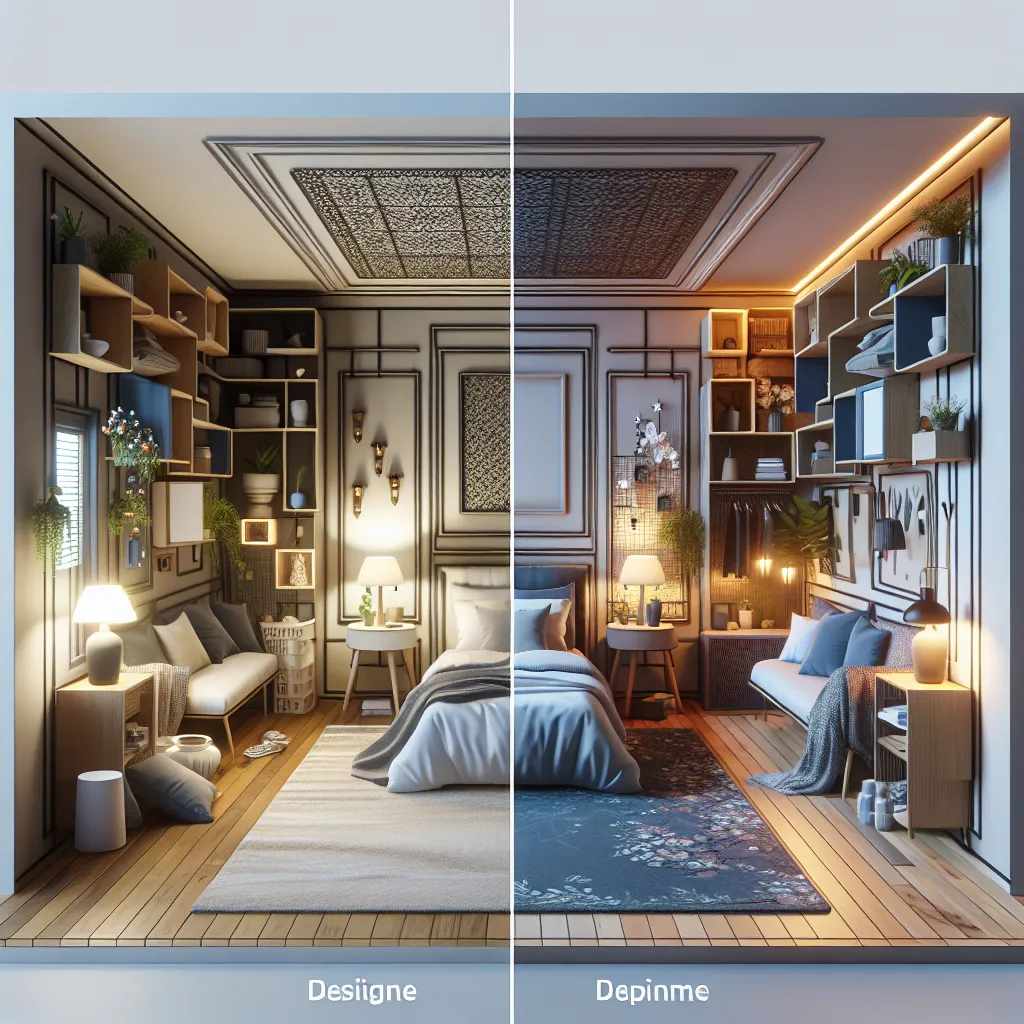
Description
No additional description provided.
The Pitch
It’s easy to feel overwhelmed when trying to design an interior space. What looks stunning in a magazine spread rarely translates seamlessly into the unique dimensions and existing decor of a real room. Many people lack the expertise to pinpoint what’s not working or how they might elevate their space with simple changes.
However, with today's advancements in artificial intelligence, there's a promising opportunity to demystify interior design through technology. Imagine a tool that leverages GPT-4o’s advanced image reasoning capabilities to act as a virtual interior designer. This tool could analyze a photo of any room and provide actionable suggestions to enhance space utilization, lighting dynamics, and even incorporate elements of feng shui. By understanding spatial flow and aesthetic principles, the AI could help users make informed decisions without requiring a professional interior designer.
Consider a homeowner contemplating how to refresh their bedroom. They could simply upload a photograph of the room, and the tool would generate advice such as “rotate the bed 90° to improve natural lighting and overall symmetry.” This technology could be pivotal for various user segments, including realtors aiming to stage homes, Airbnb hosts looking to increase appeal, or everyday homeowners seeking personal space improvements.
To bring this solution to market, the initial step involves creating a Minimum Viable Product (MVP) that successfully showcases the core functionality. By integrating GPT-4o with an intuitive user interface, the MVP would allow users to upload images and quickly receive detailed design suggestions.
Essential tools and technologies to support this development include:
1. **Cloud-based AI Image Processing**: Ensuring that image uploads are analyzed efficiently and securely. 2. **Aesthetic and Spatial Reasoning Algorithms**: Leveraging GPT-4o's capabilities to recognize and analyze room dimensions, furniture placements, and lighting. 3. **User-friendly Interface**: Designing an appealing and simple interface for non-technical users to interact with the tool seamlessly.
As the MVP is refined, developing a comprehensive go-to-market strategy will be vital. This could involve:
- **Digital Marketing Campaigns**: Utilizing social media platforms, design blogs, and popular home improvement forums to raise awareness. - **Partnerships**: Collaborating with real estate companies, interior design firms, and online marketplaces for home goods to expand reach. - **Freemium and Subscription Models**: Offering basic functionalities free with additional premium features for a monthly or annual fee.
The business model could focus on a subscription-based service, providing ongoing updates and personalized design packages. Additionally, monetizing through partnerships with furniture retailers or home improvement brands could provide a dual revenue stream. By continuously improving the AI and enriching the platform’s offerings, the product can maintain a competitive edge while transforming the way individuals approach interior design.