AI-Powered Robotic Rehab Revolutionizes Stroke Recovery
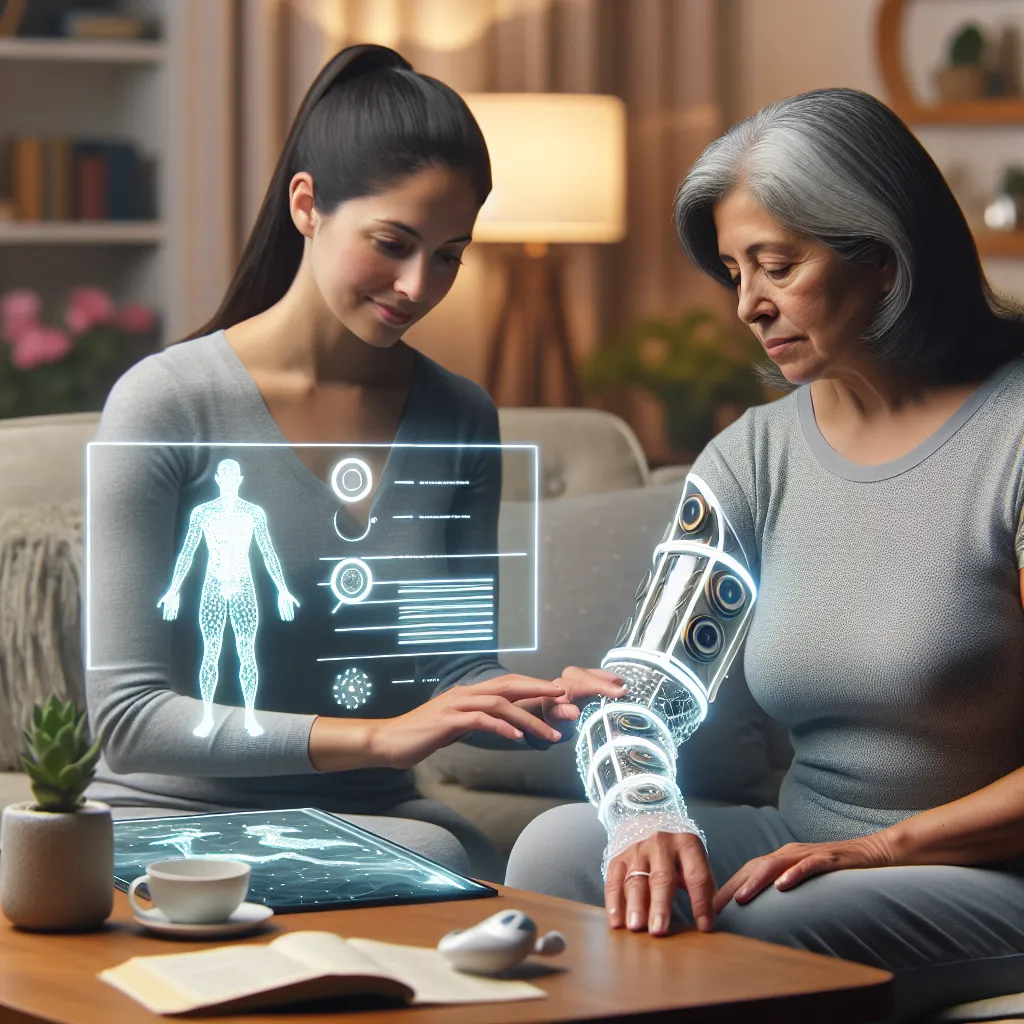
Surviving a stroke is only half the battle—recovery can take years, and access to effective rehabilitation is limited and expensive. Most patients give up or never regain full mobility. A new generation of AI-powered robotic rehab systems could change that. Using wearable exoskeletons, motion sensors, and brain-computer feedback, these systems adapt therapy to each patient’s progress in real time, creating personalized recovery plans that evolve daily. With advances in at-home robotics, low-cost sensors, and AI motion tracking, what once required a hospital can now happen in a living room. The timing is perfect: longevity and healthy aging are surging global priorities, and insurers are incentivized to reduce post-stroke care costs. Picture a patient who had a remote thrombectomy last week now using a lightweight robotic sleeve that retrains their arm to move, guided by an AI coach that learns from thousands of successful recoveries.
Description
No additional description provided.
The Pitch
Stroke remains a leading cause of long-term disability worldwide, with millions of survivors facing an arduous journey towards recovery. Traditional rehabilitation is often limited by several barriers including accessibility, high costs, and the physical presence required for therapy sessions. Consequently, many patients are unable to continue their therapy programs, significantly reducing their chances of regaining full mobility and independence.
Introduction to the Solution: In response to these challenges, emerging technologies offer a promising new direction for stroke rehabilitation. By integrating AI-powered robotic systems with wearable exoskeletons, motion sensors, and brain-computer interface feedback, a dynamic and personalized rehabilitation process can be created for each patient. These cutting-edge systems are designed to adapt therapy in real time, assessing a patient’s progress and updating recovery plans daily.
Product Details: The proposed rehabilitation system centers around a lightweight wearable exoskeleton, equipped with advanced sensors that monitor the patient's movements. An AI-driven software platform serves as a virtual coach, guiding the patient through tailored exercises and providing immediate feedback. By analyzing data collected from thousands of successful recoveries, the AI is capable of personalizing therapy to optimize outcomes. The system is complemented by a companion app that allows healthcare professionals to monitor progress remotely and adjust treatment plans as needed.
Technological Tools for MVP Development: To expedite the launch of a minimum viable product (MVP), various existing technologies can be harnessed. Open-source AI libraries like TensorFlow or PyTorch can be utilized for developing the motion analysis and adaptive learning algorithms. Wearable hardware development can leverage platforms such as Arduino or Raspberry Pi to prototype motion sensors and exoskeleton components.
Market Strategy: The go-to-market (GTM) strategy should focus initially on partnerships with rehabilitation centers and healthcare providers to validate the technology in controlled environments. Subsequent expansion can target individual consumers seeking at-home rehabilitation solutions, with an emphasis on regions experiencing a high incidence of stroke and a growing demand for telemedicine solutions.
Business Model: The business model could operate on a subscription basis, offering patients access to the hardware along with continuous software support and updates. An alternative revenue stream could focus on partnerships with insurance companies, aligning with initiatives that aim to lower overall healthcare costs by reducing hospital readmissions and the duration of post-stroke care.
Final Thoughts: Timing for this innovation is particularly advantageous, as global priorities move towards longevity and healthy aging. By transforming the living room into a space for advanced rehabilitation, this approach empowers stroke survivors with the tools they need to achieve better outcomes, offering hope and independence in their journey towards recovery.