AI-Powered Reentry Solutions for Reduced Recidivism
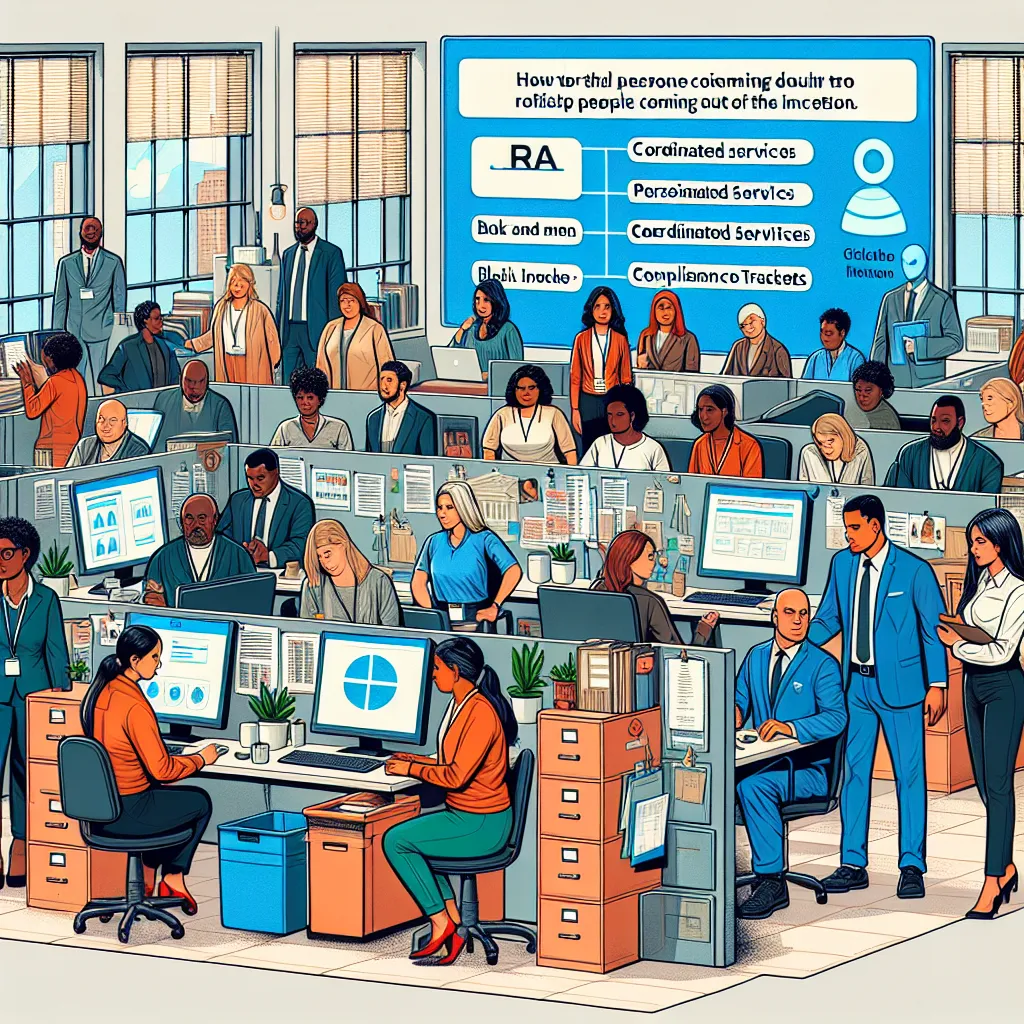
Reentry programs for people coming out of incarceration are chronically understaffed, resulting in high recidivism. Each person needs a custom plan: housing, training, benefits, therapy, transportation, documentation, and legal support. An AI agent generates personalized reentry blueprints, files government forms, coordinates services, and tracks compliance. Vertical AI thrives where workflows are detailed and deeply human. Why now? Budgets are shrinking while reentry needs are rising. Imagine a nonprofit using this to serve 5x more people with the same staff.
Description
No additional description provided.
The Pitch
For those intrigued by the potential of innovative solutions in social services, particularly in reentry programs, this provides an exploration of an AI-driven approach to address significant staffing deficiencies in assisting individuals transitioning from incarceration back into society.
Background:
High recidivism rates are a persistent challenge in many regions. Reentry programs, which are designed to assist individuals in reintegrating into society, often lack sufficient staffing and resources. Each individual leaving incarceration requires a personalized plan encompassing various services such as housing, employment training, access to benefits, therapy, transportation, proper documentation, and legal support. The limited ability of current programs to provide comprehensive, personalized attention often leads to incomplete support and increases the risk of reoffending.
Problem Statement:
Reentry programs are chronically understaffed. This shortage results in inadequate support for individuals leaving incarceration, contributing to high rates of recidivism. Programs tasked with preparing personalized plans for each individual's successful reintegration are overwhelmed by the volume and detail required for effective support.
Proposed Solution:
The introduction of an AI-driven tool designed to generate individualized reentry blueprints for each participant. This AI agent can automate the filing of government forms, coordinate various support services, and monitor compliance with the proposed plan.
Product Details:
The AI agent operates by analyzing the needs of each participant, drawing on real-time data and established protocols to develop a comprehensive reintegration strategy. Features include:
- Personalized plan generation for housing, training, benefits, therapy, and transportation. - Automated documentation management to ensure timely and accurate filing of necessary forms. - Coordination with service providers to facilitate a seamless support network. - Real-time tracking of participant progress and compliance. - Data-driven insights to continually enhance reentry program efficiency.
Tools for MVP Development:
For those looking to build a minimum viable product, consider utilizing the following tools:
1. Natural Language Processing: To facilitate communication with participants and interpret their needs. 2. Machine Learning Frameworks: To develop personalized plans based on participant profiles. 3. Workflow Automation Platforms: To coordinate tasks and manage scheduling. 4. Cloud-based Data Management: To securely store and process participant information. 5. API Integration: To easily connect with existing government and social service databases.
Go-to-Market Strategy:
To effectively launch this AI-powered solution:
1. Partner with existing reentry programs to pilot the technology and gather initial feedback. 2. Leverage local government and nonprofit networks to build awareness of the tool's benefits. 3. Highlight the potential to serve significantly more individuals with the same resources. 4. Offer training sessions to program staff to maximize adoption and effective use of the AI agent. 5. Collect and showcase success stories to demonstrate impact and encourage wider adoption.
Business Model:
This AI solution is suited to a Software-as-a-Service (SaaS) model for nonprofits and government bodies. The following revenue streams can be considered:
1. Subscription Fees: Providing tiered pricing based on the volume of participants or the extent of features used. 2. Implementation and Training Fees: Offering initial setup and staff training services. 3. Grants and Sponsorships: Seeking partnerships with foundations interested in social innovation. 4. Outcome-based Pricing: Charging based on the reductions in recidivism rates or improved efficiencies.
Conclusion:
Given current financial constraints and the increasing demand for effective reentry programs, the integration of AI presents a timely opportunity. By reducing the burden on human staff and increasing the capacity to deliver personalized plans, this solution can profoundly enhance the reentry process, offering hope and stability to individuals seeking a fresh start post-incarceration.