AI-Powered Recipe Replication for Automated Kitchens
When automation becomes standard, the next frontier is recipes. TasteTwin uses AI and sensor data to reverse-engineer dishes by flavor profile, ingredient sourcing, and cooking process—then replicates them exactly in automated kitchens. Think of it as “Napster for taste,” but licensed fairly so chefs get royalties when their recipes are reproduced. The problem: robotic kitchens can cook perfectly, but they can’t innovate taste. This creates the “taste layer” of automation, letting any brand reproduce Michelin-quality food without a human chef. Wonder could plug this in tomorrow.
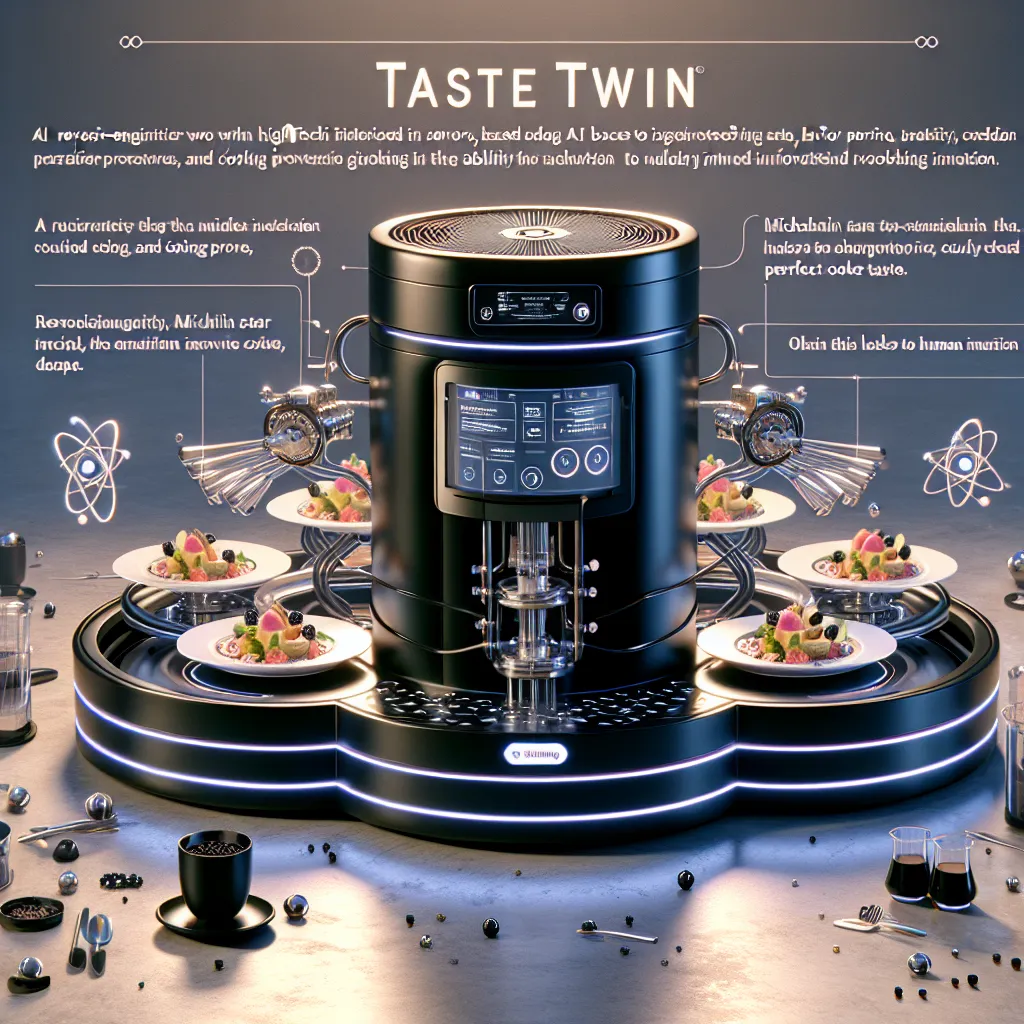
Description
No additional description provided.
The Pitch
Imagine a future where culinary masterpieces are not confined to high-end kitchens but available at your fingertips, reproducible with precision anytime, anywhere. With the advent of robotic kitchens, automation has taken significant strides in the food industry, but the domain of taste innovation remains largely untapped. Enter TasteTwin, a groundbreaking platform that merges artificial intelligence with culinary arts to democratize taste innovation.
Backstory:
In the current landscape, automation in the culinary sector is primarily focused on efficiency and consistency. Robotic kitchens can replicate recipes with exact accuracy, but the essence of culinary innovation remains a challenge. Chefs spend years honing their skills, curating unique flavor profiles, and mastering techniques that bring a dish to life. Yet, this artistry is often inaccessible to the broader market. TasteTwin aims to bridge this gap by creating a system that captures the essence of a dish and enables its flawless replication in any automated kitchen.
Problem:
Robotic kitchens have transformed the way food is produced, offering unprecedented efficiency and consistency. However, this technological advancement has not yet extended to the innovation of taste. While robots can cook a dish perfectly according to instructions, they lack the ability to create or adapt recipes that require nuanced flavor profiles and creativity. This gap presents a distinct challenge: how can the taste and creativity of a renowned chef be encapsulated and reproduced without human intervention?
Solution:
TasteTwin offers a revolutionary solution by leveraging AI and sensor technology to deconstruct and capture the essence of any dish. This includes its flavor profile, ingredient sourcing, and cooking process. By collecting and analyzing this data, TasteTwin allows robotic kitchens to reproduce dishes with the same quality and innovation as the original creation. Furthermore, TasteTwin implements a licensing model, ensuring that chefs receive royalties when their recipes are widely reproduced, creating a sustainable ecosystem for culinary innovation.
Product Details:
TasteTwin operates on a sophisticated AI platform that integrates with existing automated kitchen systems. Key features include:
1. **Flavor Mapping:** Advanced sensor technology analyzes dishes to produce a detailed flavor profile, identifying key taste components and optimal ingredient combinations.
2. **Ingredient Sourcing:** The system provides information on sourcing high-quality ingredients that match the specifications of the original dish, maintaining authenticity and flavor integrity.
3. **Cooking Process Replication:** TasteTwin's AI models the cooking process step-by-step, ensuring that robotic kitchens can replicate techniques accurately.
4. **Licensed Recipe Library:** A rich library of licensed recipes provides automated kitchens access to a wide range of award-winning dishes legally and ethically.
Tools for MVP Launch:
A Minimum Viable Product (MVP) for TasteTwin could be developed using the following tools and technologies:
1. AI and Machine Learning Frameworks: Utilize platforms like TensorFlow or PyTorch for developing flavor profile and cooking process algorithms.
2. Sensor Technology: Implement IoT sensors for robust data collection on taste and cooking parameters.
3. Database Solutions: Use cloud-based data solutions like AWS or Google Cloud for storage and processing of culinary data.
4. Integration APIs: Develop APIs to integrate the AI platform with existing automated kitchen systems.
GTM Strategy:
1. **Partnerships with Culinary Institutions:** Collaborate with culinary schools and renowned chefs to build a solid database of gourmet recipes and establish credibility within the culinary community.
2. **Collaborations with Automation Companies:** Engage with companies that build and manage robotic kitchens to facilitate seamless integration of TasteTwin technology.
3. **Target High-End Restaurants:** Initially focus on premium dining establishments and boutique eateries seeking to expand their offerings without compromising quality.
4. **Influencer and Chef Advocacy:** Use endorsements from popular chefs and influencers to highlight the innovation and ethical considerations of the platform.
Business Model:
TasteTwin will operate on a B2B model with multiple revenue streams:
1. Licensing Fees: Automated kitchens pay a fee to access the TasteTwin recipe library.
2. Subscription Model: Restaurants and food businesses subscribe to a tiered service, depending on recipe volume and complexity.
3. Royalties: A portion of the revenue from licensing fees is allocated as royalties to chefs, promoting ongoing recipe contributions.
4. Custom Solutions: Offer bespoke solutions to enterprises looking to create unique taste experiences with automated kitchens.
By pioneering the integration of AI and culinary arts, TasteTwin not only addresses the current limitations of robotic kitchens but sets the stage for the next evolution in food preparation and innovation. Whether it is a mom-and-pop shop or an international chain, TasteTwin empowers businesses to elevate their culinary offerings to Michelin-star quality, making world-class cuisine accessible to all.