AI-Powered Property Tax Appeal Service
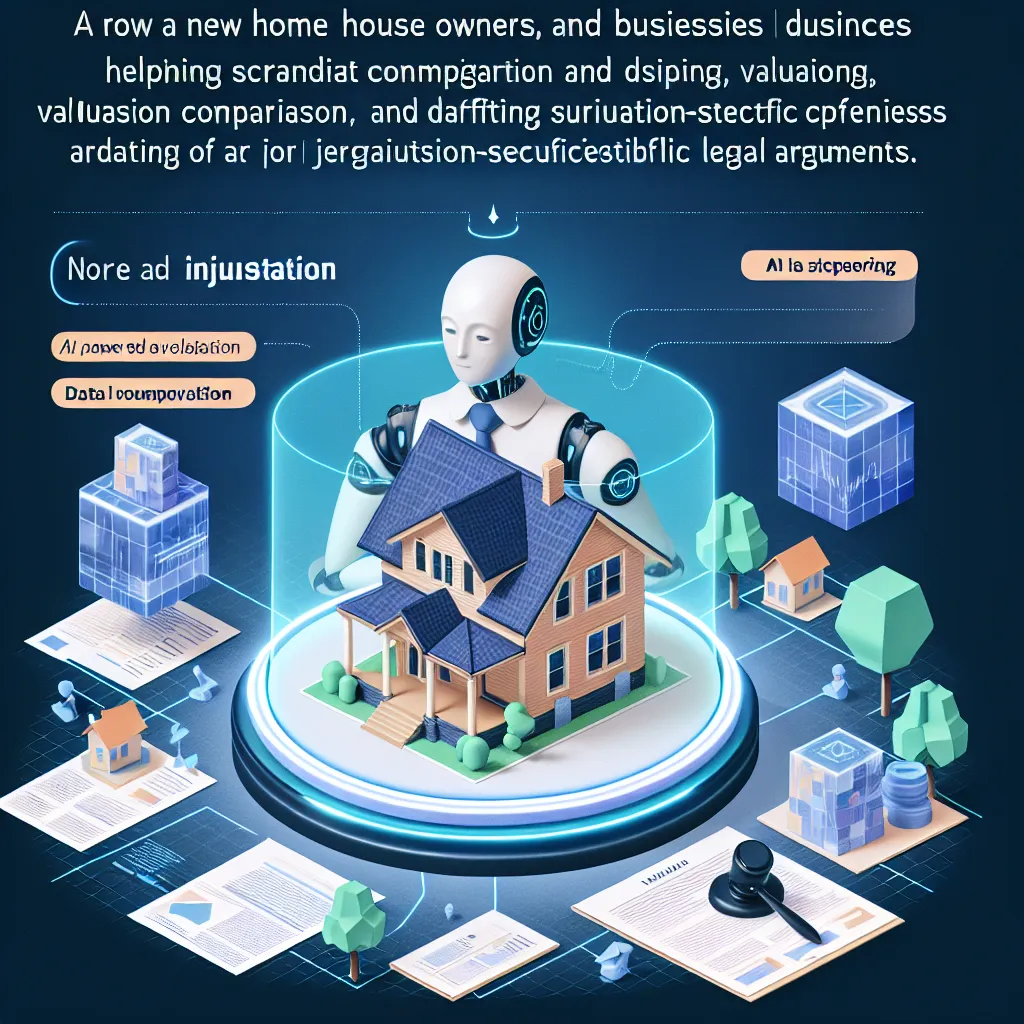
Every year, millions of homeowners and small businesses overpay their property taxes due to inaccurate assessments. The appeal process is bureaucratic, local, and full of friction — requiring comparable property research, forms, and often court appearances. As a result, most people don’t even try. This company becomes a full-stack AI-powered tax appeal agency. It monitors tax records, automatically flags over-assessments, generates tailored appeals, submits them to the proper county office, and handles follow-ups. No dashboards, no guides — it just gets it done. With AI able to scrape public databases, compare valuations, and draft legal arguments per jurisdiction, this model finally makes property tax justice scalable. Instead of selling tools to lawyers or CPAs, it replaces the need for them entirely. “Instead of selling to the dinosaurs, you could make them extinct.”
Description
No additional description provided.
The Pitch
I’m Homeowners and small business owners are often at the mercy of their local tax assessments, paying more than necessary due to inaccurate property valuations. The cumbersome appeal process, fraught with bureaucracy and requiring extensive research, deters many from challenging their assessments. This scenario presents a unique opportunity to revolutionize the property tax industry through a full-stack, AI-powered tax appeal service.
Backstory
For years, the complexity of the property tax appeal process has left millions overpaying on their taxes. The journey from receiving an assessment notice to successfully appealing it is daunting, involving an array of tasks like gathering comparable property data, filling out intricate paperwork, and potentially appearing in court. These challenges discourage most individuals from pursuing appeals, allowing over-assessments to go unchallenged.
Problem
The existing property tax system is riddled with inefficiencies and barriers that prevent equitable assessments. Key issues include: - Inaccurate property assessments leading to overpayment. - A convoluted appeal process requiring specialized knowledge and resources. - Limited accessibility for average homeowners and small business owners lacking time or expertise.
Solution
Introducing an AI-driven platform dedicated to simplifying and automating the property tax appeal process. This service will: - Continuously monitor tax records and identify discrepancies using machine learning algorithms. - Generate customized appeal documents tailored to local jurisdictions' requirements. - Submit appeals directly to county offices and manage any necessary follow-ups autonomously. - Provide a seamless, hassle-free experience for users through a fully automated backend process.
Product Details
This innovative product offers a: - User-Friendly Interface: Customers simply sign up, and the system handles the rest, from identifying over-assessments to filing appeals. - AI and Data Analytics: Utilizing AI to scrape public databases, the platform continuously updates valuation comparisons. - Legal Argumentation: Drafts jurisdiction-specific legal arguments using advanced natural language processing. - Proactive Notifications: Alerts users about assessment changes and gives updates on appeal status.
Tools for MVP Launch
1. Access to Public Databases: Establish partnerships or use APIs to retrieve property tax records and relevant data. 2. AI and Machine Learning: Develop algorithms that can accurately assess property values and identify discrepancies. 3. Natural Language Processing: Implement NLP for generating appeal documents that adhere to legal standards. 4. Automated Workflow: Build an integrated system to manage submissions and follow-ups without manual intervention. 5. Feedback Loop: Create mechanisms for continuous user feedback to refine AI decision-making over time.
Go-To-Market Strategy (GTM)
1. Target Audience: Focus on homeowners and small businesses in regions with historically high over-assessment rates. 2. Strategic Partnerships: Collaborate with financial institutions, real estate agencies, and online property platforms for cross-promotion. 3. Digital Marketing: Utilize SEO, content marketing, and social media campaigns to reach and educate potential users about tax appeal benefits. 4. Pilot Programs: Launch in select counties to gather data, refine processes, and build case studies. 5. Word-of-Mouth Referrals: Encourage satisfied customers to refer others through incentives, leveraging trust and community networks.
Business Model
The platform will operate on a contingency basis, charging a percentage of the tax savings secured for the customer. This model ensures clients only pay when successful outcomes are achieved, aligning the company's incentives with those of its users. Further revenue can be generated through premium services for larger estates or commercial properties, customized tax consultations, and potential partnerships with real estate platforms offering bundled services.
Conclusion
By embracing AI and automation, this property tax appeal service stands to transform a traditionally cumbersome process into an intuitive, efficient experience. Ultimately, it ensures fair assessments and empowers individuals to champion their financial rights without overwhelming bureaucracy.