AI-Powered Platform for Optimizing Manufacturing Processes
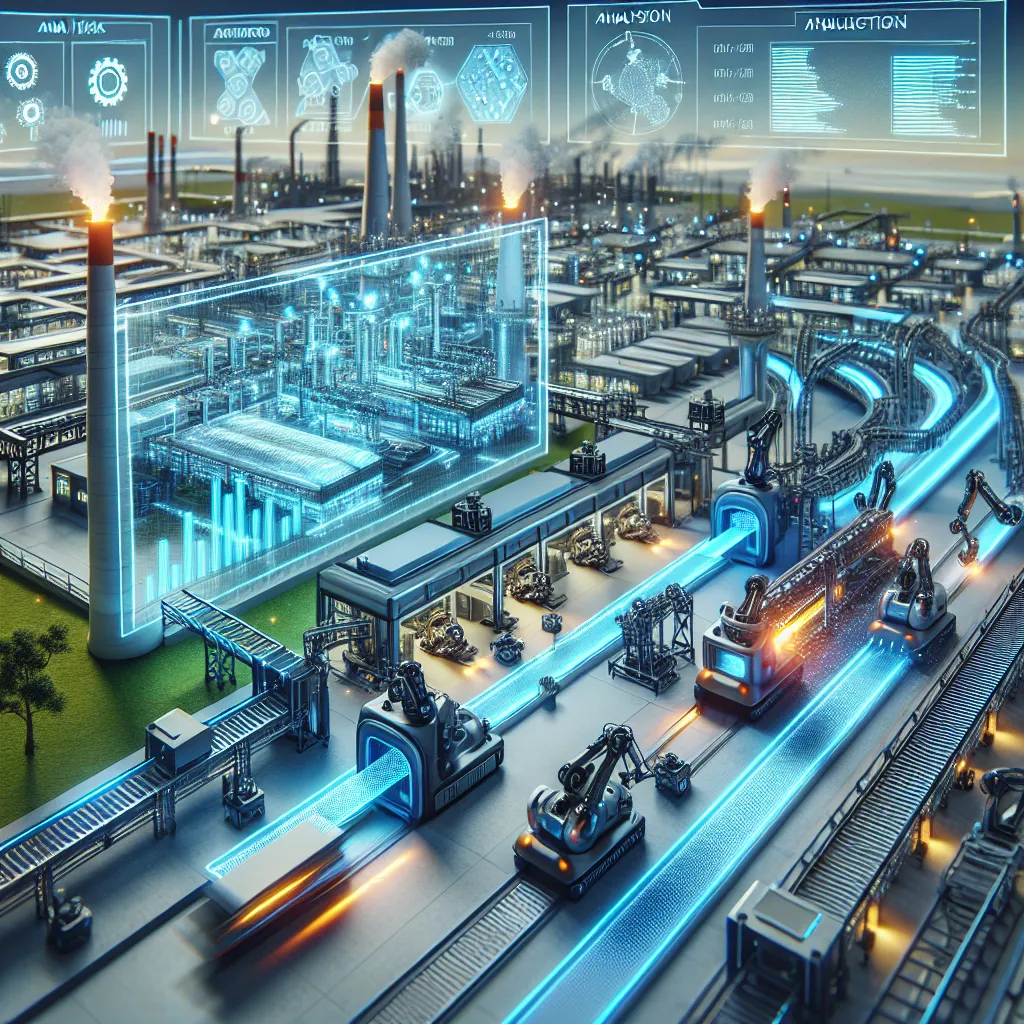
Manufacturing has historically been constrained by rigid production systems and slow engineering cycles. But advances in AI, robotics, and simulation software are beginning to transform how physical products are designed and built. A startup could create an AI platform that optimizes manufacturing processes end-to-end—from factory layout to machine operations to supply chain planning. Engineers could simulate entire production systems before building them, dramatically reducing cost and complexity. As global supply chains shift and countries try to rebuild domestic manufacturing capacity, tools that make factories smarter and more flexible could become foundational infrastructure for the next industrial era.
Description
No additional description provided.
The Pitch
Manufacturing systems have traditionally been limited by inflexible production processes and prolonged engineering cycles. As global supply chains experience transformation and countries aim to enhance their domestic manufacturing capabilities, the landscape is ripe for innovation. The advent of artificial intelligence, advanced robotics, and sophisticated simulation software is revolutionizing the way physical products are conceived and manufactured. This presents a unique opportunity to develop a platform leveraging these technologies to optimize manufacturing processes comprehensively—from factory design to machinery operation to supply chain logistics.
Historically, the inflexibility of production systems has presented significant challenges. Manufacturers often face substantial upfront costs and prolonged timelines when adjusting their production facilities to accommodate new products or respond to market changes. These limitations can stifle innovation and reduce competitiveness.
The solution lies in developing an AI-driven platform designed to address these challenges. Such a platform could enable engineers and operations teams to simulate entire production systems in a virtual environment before any physical construction occurs. This capability would significantly reduce the costs and complexity associated with factory setup and modification.
The proposed platform would integrate key technologies: AI algorithms for process optimization, robotics to automate tasks, and simulation software to create detailed digital models of manufacturing systems. Engineers could use these tools to design efficient factory layouts, refine machine operations, and plan optimal supply chain routes. The result would be smarter, more adaptable factories capable of rapid reconfiguration in response to shifting market demands.
To launch this as a minimum viable product, several tools and frameworks can be employed. AI development frameworks such as TensorFlow or PyTorch could form the backbone of the platform's optimization algorithms. For robotics, platforms like ROS (Robot Operating System) would facilitate the integration of various robotic solutions. Simulation software, such as Autodesk or Siemens' digital twins, can provide the necessary environment for detailed modeling and testing.
The go-to-market strategy would focus on building partnerships with key stakeholders in the manufacturing sector, including factory owners, supply chain managers, and industry associations. Demonstrations and pilot programs can showcase the platform's capabilities in real-world settings, highlighting cost savings and efficiency improvements.
The business model could be subscription-based, providing access to the platform's suite of tools and continuous updates. Alternatively, a usage-based model could be adopted, charging clients based on the scale of their operations or the complexity of simulations run through the platform.
By offering a comprehensive, AI-powered solution that enhances the flexibility and intelligence of manufacturing systems, this initiative has the potential to become crucial infrastructure in the evolving industrial landscape. As the global emphasis on efficient, resilient manufacturing grows, such platforms would hold significant potential for widespread adoption and impact.