AI-Powered Personalized Mock Data for App Demos
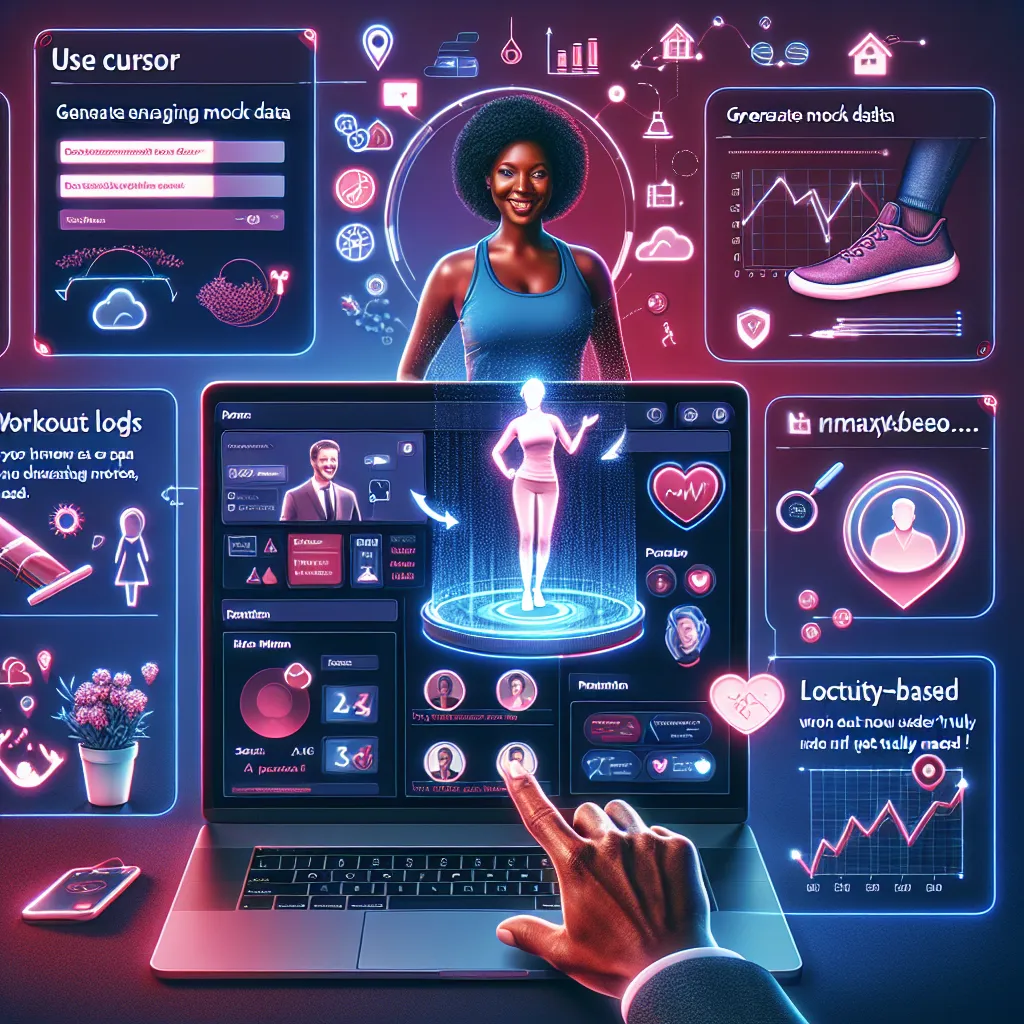
Startup founders often struggle when showcasing new apps because their demos rely on generic or unrealistic mock data, making it hard for users or investors to imagine real-world use. Although many low-code tools like Bubble or Adalo help build app prototypes, none provide a dedicated service to generate highly realistic, personalized mock data that matches specific user personas, industries, or geographies. The solution would be a mock data generation platform that uses AI to create believable user data, tailored to age, gender, location, and habits — enhancing demo videos, landing pages, and pitch decks. "Come up with an idea for a startup, use Cursor to build it, use some of this mock data, record a video... See if people actually want the app", reinforcing how critical good mock data is for validation. For example, a fitness app founder could instantly generate workout logs for a 32-year-old woman in New York to make demos much more relatable and credible.
Description
No additional description provided.
The Pitch
Launching a new application can be a daunting task, especially when trying to present it effectively to potential users and investors. One major hurdle for startup founders is showcasing their apps in a way that feels authentic and relatable. Many demos fall flat because they rely on generic or exaggerated mock data, which fails to resonate with the audience. This often leads to a disconnect, making it difficult for stakeholders to envision how the app would work in real-world scenarios.
Despite the availability of low-code tools like Bubble or Adalo to quickly develop app prototypes, a significant gap exists in the market for generating realistic, personalized mock data. Current solutions do not offer services that allow for the creation of highly specific data sets that mirror actual user behaviors and demographics. This is where a revolutionary idea comes into play.
Imagine a platform that leverages artificial intelligence to produce believable and customized mock data. This data could be tailored to various factors such as age, gender, location, and personal habits. The platform would elevate demo presentations, landing pages, and pitch decks by making them more relatable and credible. For instance, a fitness app developer could generate workout logs reflective of a 32-year-old woman's fitness routine in New York, instantly making the app's capabilities and user experience more tangible to those watching the demo.
This concept for a startup could be the game-changer many developers need. By using tools like Cursor, developers can build the app, integrate realistic mock data, and create compelling video demos to test market interest and gather feedback. This process underscores the importance of quality mock data in the validation phase of development.
For those looking to build this platform as a Minimum Viable Product, consider using technologies like OpenAI APIs for the generative data component and popular web frameworks like React for the front end. This setup allows for rapid iteration and offers a flexible architecture suited for scaling.
The go-to-market strategy could involve partnering with existing low-code platforms to offer the mock data service as an integrated component. This creates a symbiotic relationship and broadens the initial user base. Additionally, attending tech conferences and startup meetups could provide direct access to the first wave of users: early-stage app developers seeking better demo data.
From a business model perspective, a subscription-based service would be ideal, offering different tiers based on the volume and complexity of data required. Co-branded promotions with app development tools could drive early adoption and create additional revenue streams through revenue-sharing agreements.
By providing a solution that addresses the lack of realistic and relatable mock data, this startup not only meets an unmet need in the app development community but also empowers other startups to communicate their vision more effectively. This could ultimately lead to greater adoption rates and investment opportunities across various tech sectors.