AI-Powered Optimization for Municipal Waste Management
Municipal waste companies face rising costs, unpredictable volumes, and strict regulatory rules for disposal, weight, and contamination. An AI agent predicts route loads, handles daily dispatch, documents violations, files environmental compliance forms, optimizes fuel usage, and analyzes contamination photos from truck cameras. Defensibility comes from local route history, seasonal patterns, and regulatory datasets. Why now? Waste companies struggle to hire route planners and compliance officers, and margins depend on shaving minutes per route. Imagine a city shaving 8% off fuel costs because routes are autonomously optimized every morning based on real load forecasts.
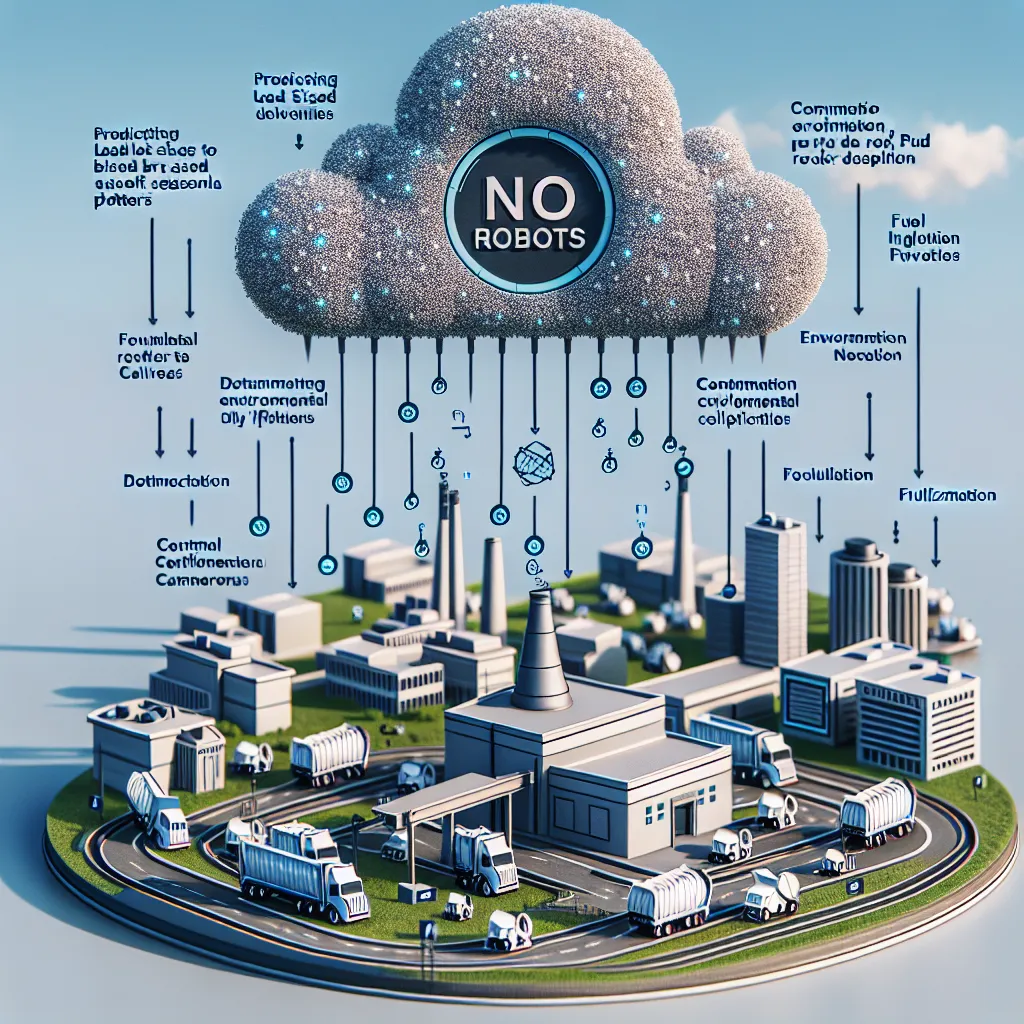
Description
No additional description provided.
The Pitch
Municipal waste management companies face increasing challenges due to rising operational costs, fluctuating waste volumes, and stringent regulatory requirements. These issues are compounded by the difficulty in hiring skilled route planners and compliance officers, making it essential for companies to find innovative solutions to remain efficient and profitable.
**Problem**
The core pain points for waste management companies include:
1. Escalating costs driven by fuel prices and labor. 2. Unpredictable waste volumes, requiring flexible route planning. 3. Compliance with strict regulatory rules related to disposal, weight limits, and contamination levels. 4. Shortage of qualified personnel to handle route planning and ensure regulatory adherence.
These challenges collectively make it difficult for companies to maintain efficiency and profitability.
**Solution**
The proposed solution is an AI-driven system that addresses these pain points by:
1. Predicting route loads with high accuracy. 2. Automating daily dispatch tasks. 3. Documenting violations and filing environmental compliance forms. 4. Optimizing fuel usage through efficient route planning. 5. Analyzing contamination photos from truck cameras to ensure cleanliness and regulatory compliance.
**Product Details**
At the core of this solution is an AI agent that uses historical route data, seasonal waste patterns, and regulatory datasets to refine its predictive and planning capabilities. The system is designed to be intuitive and easy to deploy, integrating seamlessly with existing waste management operations. Key features include:
- **Route Load Prediction**: Leverages machine learning algorithms to forecast daily waste volumes, enabling adaptive route planning. - **Automated Dispatch**: Streamlines the assignment of routes to drivers, reducing the need for manual intervention. - **Compliance Management**: Ensures adherence to environmental regulations by automatically documenting violations and filing necessary forms. - **Fuel Optimization**: Analyzes and selects the most efficient routes to minimize fuel consumption, thereby reducing operational costs. - **Contamination Analysis**: Employs image recognition to assess the level of contamination in waste loads, helping to avoid regulatory penalties.
**Tools for MVP Launch**
To launch this solution as a Minimum Viable Product (MVP), the following tools and technologies can be employed:
1. **Data Analysis and Machine Learning Platforms**: Such as Google Cloud AI, Microsoft Azure Machine Learning, or AWS SageMaker for building predictive models. 2. **Route Optimization Software**: Integrate with tools like Routific or OptimoRoute to refine routing capabilities. 3. **Compliance Management Systems**: Utilize platforms like Intelex or Enviance for regulatory form handling. 4. **Image Processing Libraries**: Use TensorFlow or OpenCV for analyzing contamination photos. 5. **User Interface Frameworks**: Build a user-friendly dashboard using React.js or Angular.
**Go-To-Market Strategy**
The GTM strategy focuses on engaging key stakeholders within municipal waste management entities:
1. **Partnerships with City Governments**: Collaborate with municipalities to pilot the solution in select regions, demonstrating value through proven cost-savings and efficiency gains. 2. **Industry Events and Conferences**: Present case studies and hold workshops at industry-specific events to gain traction and credibility. 3. **Digital Marketing Campaigns**: Targeted ads and content marketing aimed at decision-makers within relevant organizations. 4. **Testimonials and Case Studies**: Leverage early adopters' feedback to build a compelling narrative around the effectiveness and ROI of the solution.
**Business Model**
The business model can primarily be subscription-based, with tiered pricing dependent on the size of the municipality and specific features utilized. Additional revenue can be generated through:
1. **Consulting Services**: Offering custom implementation and integration support for larger organizations. 2. **Data Analytics Services**: Providing detailed analytics reports and insights as an add-on service. 3. **Licensing**: Licensing the underlying technology to other regional waste management firms or technology providers.
By addressing these key areas, this AI-driven waste management solution not only positions itself as a vital tool for efficiency but also as a driver for sustainable practices within municipal operations.