AI-Powered Nuclear Waste Management Solution
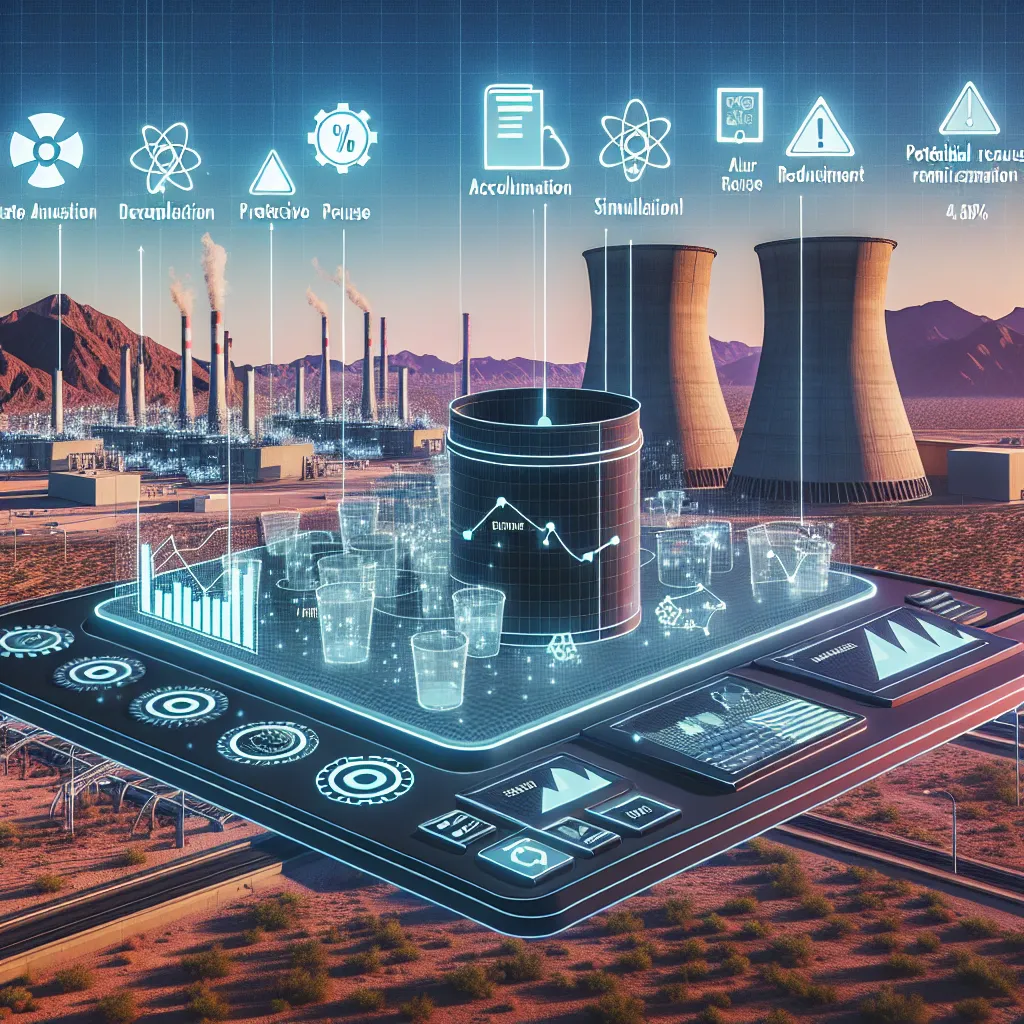
As nuclear energy gains momentum—fueled by demand from AI data centers and SMR expansion—waste management remains a blind spot. Current systems are slow, opaque, and heavily manual, leading to inefficiencies and safety concerns. This startup builds an AI-powered waste intelligence layer that predicts accumulation, simulates reuse potential, and streamlines reporting to regulators. With real-time dashboards and predictive alerts, it reduces cost and improves safety. The world needs nuclear to scale safely—this makes the backend smarter. For example, a modular reactor site in Arizona could use this to cut waste storage costs by 30% while staying fully compliant.
Description
No additional description provided.
The Pitch
The rapid adoption of nuclear energy, fueled by the growing demand from AI data centers and the expansion of Small Modular Reactors (SMRs), presents a significant challenge in terms of waste management. The current systems in place are predominantly slow, opaque, and heavily reliant on manual processes, resulting in inefficiencies and heightened safety concerns. This document outlines an innovative startup solution that aims to transform nuclear waste management through an AI-powered waste intelligence platform. This solution predicts waste accumulation, evaluates reuse potential, and streamlines reporting to regulatory bodies—all aimed at reducing costs and improving safety.
**Backstory:**
With global efforts to curb carbon emissions, nuclear energy has emerged as a key player in the energy mix due to its low-carbon output and reliability. However, one of the most persistent issues associated with nuclear energy is waste management. Current methods are not only resource-intensive but also pose significant risks to both the environment and human health. These methods often involve cumbersome manual processes, lacking in transparency, thereby necessitating a modernized approach that leverages advanced technologies.
**Problem Statement:**
The inefficacies in current nuclear waste management systems manifest in several ways:
1. **Slow Processes:** Waste management processes are time-consuming, leading to delays in operations and increased storage costs.
2. **Lack of Transparency:** The manual and opaque nature of current systems hinders effective management and regulatory compliance.
3. **Safety Concerns:** With the reliance on manual processes, there is a heightened risk of human error, potentially leading to safety hazards.
**Proposed Solution:**
Introducing an AI-powered waste intelligence platform that addresses these issues head-on:
- **Predictive Analytics:** Utilizes AI to forecast waste accumulation, enabling proactive management and planning.
- **Reuse Simulation:** Analyzes waste to identify opportunities for reuse and recycling, minimizing the environmental impact.
- **Streamlined Reporting:** Automates the generation of compliance reports, ensuring timely submissions and enhanced transparency.
**Product Details:**
The platform provides a comprehensive suite of features designed for the needs of modern nuclear facilities:
- **Real-Time Dashboards:** Offers an intuitive interface displaying key metrics and insights for waste management.
- **Predictive Alerts:** Warns facilities of potential issues before they arise, allowing for preemptive action to be taken.
- **Integration Capabilities:** Seamlessly integrates with existing infrastructure and systems, ensuring ease of adoption.
**Tools to Facilitate MVP Launch:**
- **Cloud Infrastructure:** Utilize platforms such as AWS or Azure for scalable and secure deployment.
- **AI Frameworks:** Leverage TensorFlow or PyTorch for developing robust predictive models.
- **Data Visualization:** Use tools like Tableau or Power BI to create dynamic and informative dashboards.
**Go-to-Market Strategy:**
1. **Targeted Outreach:** Focus initially on nuclear facilities with SMRs and large-scale AI data centers, both likely to benefit significantly from improved waste management.
2. **Partnerships:** Collaborate with governmental and regulatory bodies to ensure compliance and build credibility.
3. **Pilot Programs:** Implement pilot projects to demonstrate value and build case studies for wider adoption.
4. **Industry Conferences:** Present at nuclear energy and sustainability conferences to build awareness and generate interest.
**Business Model:**
The primary revenue streams could include:
- **Subscription Model:** Facilities can subscribe to the platform on a monthly or annual basis, with fees based on usage and number of features accessed.
- **Licensing:** Offer licensing agreements for larger facilities that require on-premise solutions.
- **Consulting Services:** Provide expert consulting to help facilities optimize their waste management strategies, further embedding the solution within their operations.
**Conclusion:**
As we transition to cleaner forms of energy, nuclear power holds significant potential—provided its waste management practices can be modernized to ensure safety and efficiency. An AI-driven waste intelligence platform stands to make nuclear energy a more viable and sustainable option. This startup is poised to lead the charge, making the backend operations of nuclear facilities smarter, safer, and more cost-effective.
---