AI-Powered Neuro-Rehab App for Stroke Recovery
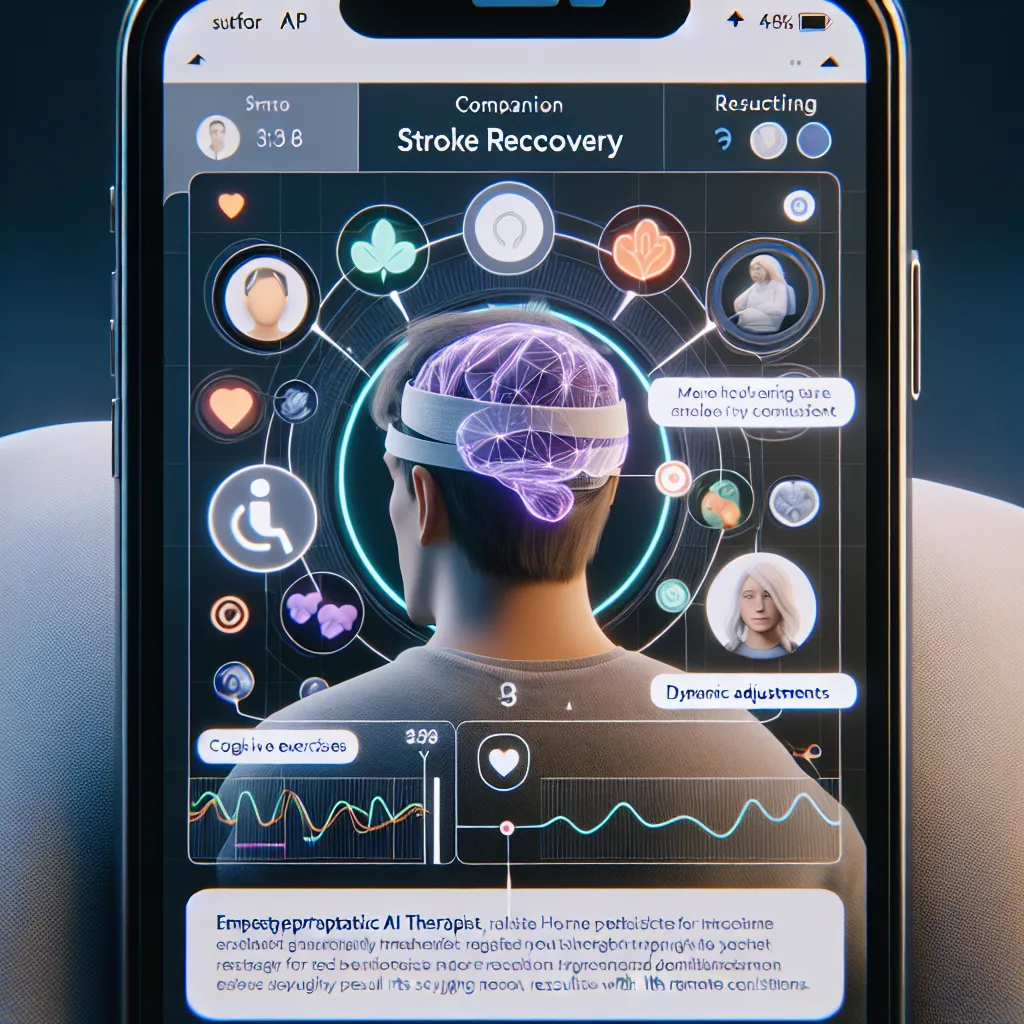
Post-stroke rehabilitation often ignores the mental side — memory, speech, and executive function. A neuroadaptive companion app could use voice, games, and daily coaching to retrain the brain after injury. Using AI speech models and neurofeedback sensors, it tailors exercises dynamically to rebuild pathways. The timing is right: generative AI can now simulate human conversation and emotional tone, and lightweight EEG headbands make real-time neurofeedback accessible. A patient recovering at home could chat daily with an empathetic AI therapist that detects frustration, adjusts difficulty, and syncs results with clinicians — turning lonely recovery into interactive neuro-therapy.
Description
No additional description provided.
The Pitch
Stroke survivors often face significant challenges during recovery, particularly in regaining cognitive functions such as memory, speech, and executive function. Traditional rehabilitation methods predominantly focus on physical therapy, but neglect the crucial mental aspects that are vital for a comprehensive recovery. This gap presents an opportunity to innovate and create a more holistic post-stroke rehabilitation solution.
Problem Statement:
Current rehabilitation processes fall short in addressing the cognitive and emotional recovery needs of stroke survivors. The lack of personalized mental training can lead to prolonged recovery, increased frustration, and decreased motivation, which ultimately impacts the efficacy of rehabilitation efforts. Moreover, patients recovering at home often feel isolated, which can further hinder their progress.
Proposed Solution:
NeuroRehab is a neuroadaptive companion application designed to transform post-stroke recovery by integrating AI-driven therapies into patients' daily routines. The app employs voice interaction, engaging games, and daily coaching sessions to seamlessly intertwine mental exercises with traditional rehabilitation processes. By utilizing state-of-the-art AI speech models and neurofeedback sensors, the app offers tailored and dynamic exercises to help rebuild neural pathways.
Product Details:
NeuroRehab is built around three core components:
1. Interactive Conversations: - The application employs advanced AI speech models capable of simulating human conversation and understanding emotional tones. This provides an empathetic conversational experience that helps address patients' emotional and cognitive recovery needs.
2. Personalized Cognitive Exercises: - Through engaging games and daily coaching routines, the app offers customized mental exercises that adapt based on the user's progress, frustration levels, and specific recovery goals.
3. Neurofeedback Integration: - Lightweight EEG headbands provide real-time neurofeedback, allowing the app to monitor neural activity and adjust exercises dynamically. This empowers users to receive continuous personalized feedback, enhancing motivation and engagement.
Tools for Launching an MVP:
To efficiently launch NeuroRehab as a minimum viable product, the following tools and technologies can be utilized:
- AI and Speech Recognition Platforms: Leverage pre-existing natural language processing and AI models such as Google's Dialogflow, OpenAI's GPT, or Amazon's Lex to develop conversational capabilities.
- Gamification Platforms: Tools like Unity or GameSalad can be used to create engaging cognitive exercise games.
- Neurofeedback Devices: Partner with providers of lightweight EEG headbands such as Muse or Emotiv for integration into the app.
- Data Analytics Solutions: Use platforms like Firebase or Mixpanel to track user interaction and refine app experiences based on real-world usage data.
Go-to-Market Strategy:
- Collaboration with Healthcare Facilities: Partner with hospitals, rehabilitation centers, and neurology clinics to introduce NeuroRehab as a supplementary tool for patients' therapy. Establish referral programs to encourage clinical adoption.
- Educational Outreach: Conduct webinars and workshops aimed at therapists and caregivers on the benefits and usage of NeuroRehab, emphasizing its role in holistic recovery.
- Patient Community Engagement: Engage with stroke survivor communities and support groups to drive awareness and gather feedback, creating a strong community of advocates.
Business Model:
- Subscription-Based Service: Offer a tiered subscription model for patients, providing various levels of access and personalization. This ensures affordability while maximizing reach.
- Licensing Agreements: Enter into licensing agreements with rehabilitation centers and healthcare institutions for broader deployment, offering institutional access at a discounted rate.
- Freemium Model: Implement a freemium model allowing users to access basic features at no cost, with premium content available through subscription, encouraging trial and subsequent conversion to paid plans.
By leveraging these strategies and developing a robust product that addresses the cognitive and emotional needs of stroke survivors, NeuroRehab has the potential to transform post-stroke recovery into a more engaging, effective, and holistic process.