AI-Powered Medical Case Simulator for Training
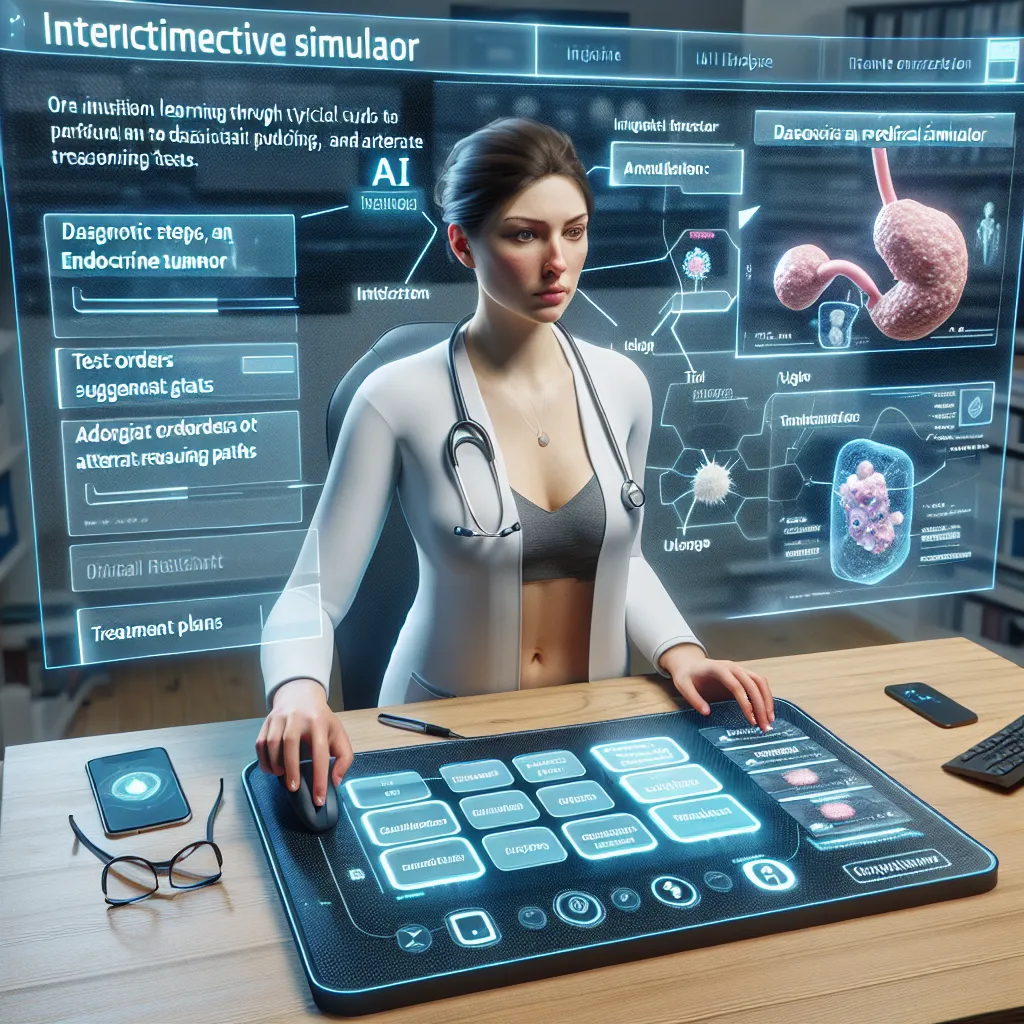
Doctors in training often lack access to diverse or rare cases and don’t get real-time feedback on their thinking. A startup could create an interactive simulator that feeds them AI-generated NEJM-style case studies, where users walk through each diagnostic step, test order, and treatment plan—then receive critique and alternate reasoning paths. With orchestrated AI now able to mimic expert panels, this training can become far richer than flashcards or static cases. A third-year med student could diagnose a rare endocrine tumor, see how an endocrinologist would think differently, and build intuition through iterative play—not just lectures.
Description
No additional description provided.
The Pitch
In the medical field, doctors in training often face limitations in accessing a wide range of diverse or rare cases. This can restrict their learning opportunities and hinder their ability to receive real-time feedback on their clinical reasoning. To address this challenge, a new startup aims to develop an advanced interactive simulator. This platform will provide AI-generated case studies, similar to those found in renowned medical journals, allowing users to engage with each step of the diagnostic process. They will have the opportunity to order tests, devise treatment plans, and receive feedback alongside alternative reasoning paths.
Backstory: Medical training typically involves a combination of lectures, hands-on experience, and case-based learning. However, students often find themselves missing exposure to unique cases that can illuminate different aspects of medical practice. Case-based learning, while valuable, is usually static and lacks the dynamic feedback that helps hone diagnostic acumen. As medical students and residents progress in their training, they aspire to bridge the gap between theoretical knowledge and practical application.
Problem: The traditional educational framework does not provide sufficient exposure to a wide array of medical cases, particularly rare or unusual ones. Additionally, learners rarely receive immediate, constructive feedback on their diagnostic approach. This creates a gap between medical knowledge and application, leaving students underprepared for real-world challenges.
Solution: The proposed interactive simulator uses AI to craft NEJM-style case studies that mimic real-world scenarios. By incorporating machine learning algorithms, the simulator will guide users through the diagnostic journey. Participants can make decisions at each step—such as ordering diagnostic tests or choosing treatment plans—and they will receive instantaneous feedback. This feedback includes critiques of their decisions and exposure to alternative diagnostic and therapeutic strategies, all of which are informed by AI models that simulate expert physician input.
Product Details:
- AI-Generated Case Studies: Users will access a diverse library of AI-crafted medical cases that span various complexities and specialties. These cases will mimic real patient scenarios, providing a realistic learning experience.
- Interactive Diagnostic Process: Learners will navigate through the diagnostic process step-by-step, making decisions that reflect real-world medical practice.
- Instant Feedback and Alternate Reasoning: After making decisions, users receive immediate feedback, including the rationale behind alternatives, which helps in understanding diverse medical perspectives.
- User-Friendly Platform: The simulator will be intuitive and user-friendly, designed to engage medical students and residents without the need for prior technical expertise.
Tools for MVP Launch:
- AI/ML Platforms: Utilize platforms like TensorFlow or PyTorch to develop the AI algorithms for case generation and expert feedback simulation.
- Cloud Infrastructure: Deploy the application on cloud platforms such as AWS, Google Cloud, or Azure to ensure scalability and accessibility.
- User Interface Development: Use frameworks like React or Angular for building a responsive and interactive user interface.
- Integration APIs: Implement RESTful APIs to connect various components of the simulator seamlessly.
GTM Strategy:
- Pilot Programs: Initiate partnerships with medical schools and teaching hospitals to run pilot programs and gather feedback.
- Influencer Partnerships: Collaborate with medical educators and influencers to enhance product credibility and reach.
- Conferences and Exhibitions: Participate in medical conferences to showcase the simulator and connect with potential adopters.
- Digital Marketing: Employ targeted digital marketing campaigns to reach medical students and professionals, leveraging social media, online forums, and educational platforms.
Business Model:
- Subscription-Based Service: Offer tiered subscription plans for individuals and institutions, providing different levels of access to case libraries and features.
- Institution Licenses: Develop licensing agreements with educational institutions for broader access within teaching programs.
- Continuous Updates: Regularly update the case library and features, giving subscribers a reason to maintain ongoing subscriptions.
This innovative platform aims to transform medical education by providing an interactive, engaging, and effective way to train future doctors, ultimately improving their diagnostic skills and clinical reasoning.