AI-Powered Materials Discovery Reduces Experimentation Time
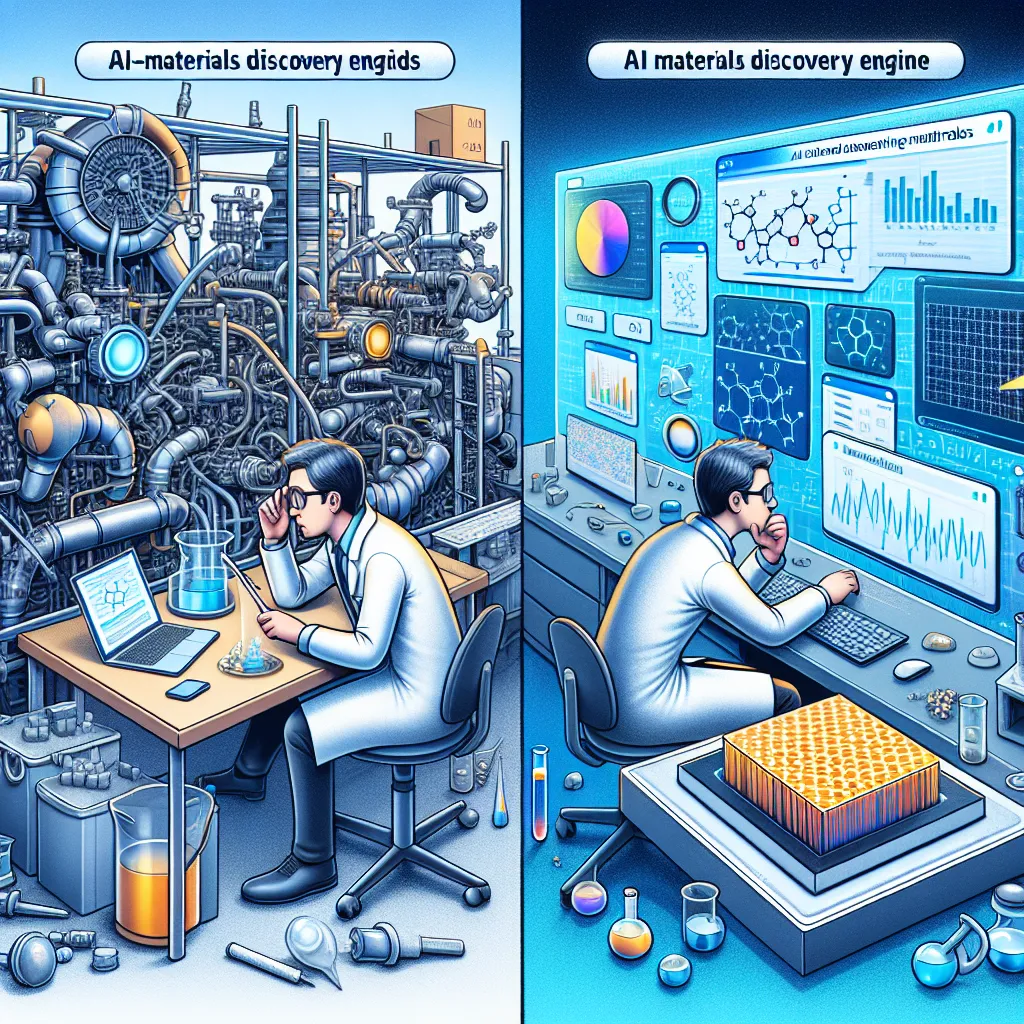
Materials science innovation is bottlenecked by expensive and slow trial-and-error experimentation. Problem: Finding new compounds or materials takes years. Solution: An AI-first materials discovery engine — using generative models to simulate, predict, and suggest new materials with specific properties (lightweight, durable, sustainable) at scale. Why Now: Breakthroughs in generative chemistry models (Molformer, GraphGPT) make materials prediction faster and cheaper. Example: A renewable energy startup could discover a new, cheaper photovoltaic material for solar panels without 5 years of lab trials — AI would suggest viable options in months.
Description
No additional description provided.
The Pitch
In recent years, a significant challenge has emerged within the field of materials science: the traditional process of discovering and developing new compounds and materials has become increasingly characterized by its inefficiency and high costs. The conventional trial-and-error approach can often take several years to yield results, which stymies innovation and slows down the introduction of potentially groundbreaking materials to various industries. This situation presents a compelling opportunity to innovate by introducing a more efficient method of materials discovery.
The root of the problem lies in the lengthy, iterative process currently used. Researchers must conduct numerous experiments, often manually adjusting dozens of variables to identify a material with the desired properties, such as being lightweight, durable, or sustainable. This method not only consumes valuable time but also requires significant resource investment, both financially and in terms of human expertise.
To address this issue, the development of an AI-driven materials discovery platform is proposed. Utilizing advanced generative models enables this platform to simulate, predict, and suggest new materials based on specific criteria, thereby drastically reducing the time and cost associated with materials discovery. This platform could incorporate state-of-the-art generative chemistry models such as Molformer and GraphGPT to effectively predict viable material compositions and characteristics.
The timing for such an innovation is particularly auspicious due to recent breakthroughs in generative model technology. These advancements allow for rapid prediction of material properties, making the entire discovery process faster and more economically feasible. Industries stand to benefit significantly from this acceleration, as they can incorporate new materials into products and processes at a much more rapid pace.
For instance, a renewable energy company seeking to develop more affordable and efficient solar panels could utilize this AI-driven platform to identify new photovoltaic materials. Instead of enduring a protracted R&D cycle that could stretch over five years or more, the company could potentially discover and implement new materials within a matter of months.
In terms of developing and launching this solution, various existing tools and technologies can facilitate the building of a minimum viable product (MVP). Platforms like TensorFlow or PyTorch offer robust frameworks for creating predictive models, while cloud computing services such as AWS or Google Cloud provide the necessary computational power and scalability. An MVP could focus on a specific use case or industry, allowing for targeted development and testing.
Launching the product requires a well-structured go-to-market (GTM) strategy, which might include identifying key industry partners for pilot projects, leveraging academic and industry conferences to showcase results, and engaging with media to highlight breakthrough discoveries facilitated by the platform. Offering a subscription-based model with tiered pricing can provide flexible options for different sized organizations, while maintaining a steady revenue stream.
Ultimately, this groundbreaking approach to materials discovery positions companies to pioneer new innovations and maintain competitive edges in their respective markets. By embracing these AI-enhanced capabilities, businesses can transcend the limitations of the past and forge a path towards more rapid and sustainable scientific advancements.