AI-Powered Job Simulations for Effective Hiring
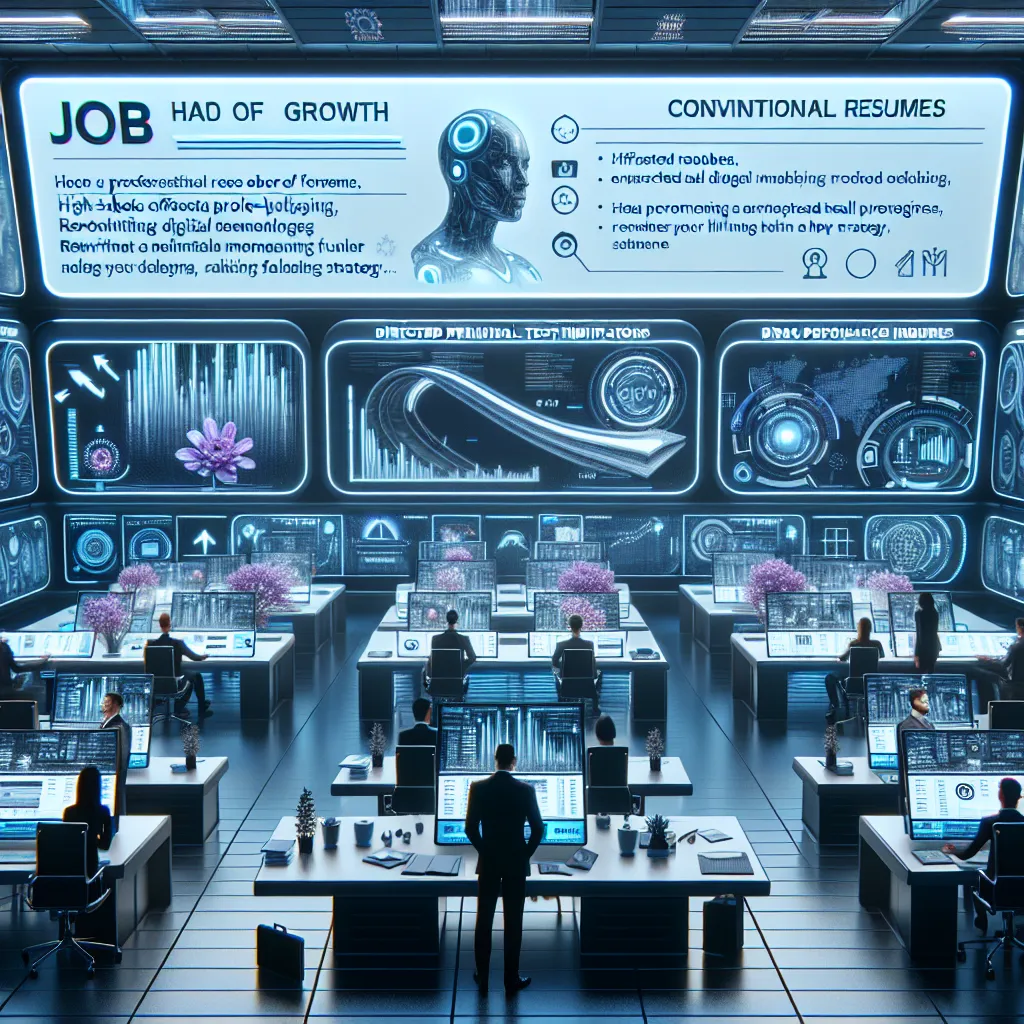
Everyone hires wrong because interviews are just theater—people say what you want to hear, and “culture fit” is a vague guess. The problem is that hiring doesn’t test who someone becomes in high-pressure reality. The solution is a simulator that generates role-specific test environments: live scenarios, real tasks, high-stakes role-playing, and constraints that test decision-making, intelligence, humility, and persistence. A founder predefines the characteristics of their ideal operator and the simulator stress-tests candidates against it. Why now: AI makes realistic simulation and task-based hiring actually possible for the first time. We can interview people by letting them do the job, not talk about it. Example: to hire a Head of Growth, candidates run a live sprint—taking a cold funnel, optimizing it, rewriting messaging, and pitching a plan. Instead of a resume, you get signal.
Description
No additional description provided.
The Pitch
In today’s competitive job market, hiring the right talent is more crucial than ever. Traditional interviews often fail to reveal a candidate's true potential, as they tend to rely on surface-level conversations and subjective interpretations of culture fit. The core challenge is that these interviews do not simulate the high-pressure realities candidates will face in their roles, leading to unforeseen mismatches and costly hiring mistakes.
Problem:
The key issue with current hiring practices is the disconnect between a candidate's ability to articulate their skills and their capacity to execute them in real job scenarios. Interviews are often performative, with candidates presenting rehearsed answers that align with what they believe the interviewer wants to hear. As a result, employers are left with an insufficient understanding of how candidates will perform under actual work pressures, make decisions, and adapt to unexpected challenges.
Solution:
The solution lies in creating a simulation-based hiring process that immerses candidates in role-specific test environments. By leveraging advancements in AI and simulation technology, employers can now create realistic scenarios that closely mimic the actual tasks and pressures candidates will encounter in their future roles. This approach allows candidates to interview by performing relevant job functions, enabling employers to assess their competencies, decision-making abilities, and adaptability in a controlled, yet dynamic setting.
Product Details:
The proposed product is a simulator platform designed to facilitate this innovative hiring process. Employers begin by defining the key characteristics and skills required for a specific role. The simulator then generates custom scenarios that include live tasks, real-time role-playing elements, and constraints that challenge candidates to demonstrate their capabilities. For example, to hire a Head of Growth, candidates might be tasked with optimizing a hypothetical sales funnel, rewriting marketing messaging, and presenting a strategic growth plan. This hands-on approach provides employers with actionable insights based on the candidates' actual performance rather than hypothetical discussions.
Tools for Launching an MVP:
1. AI-driven simulation software to create realistic scenarios and adapt them to various industries and roles. 2. Data analytics tools to measure and evaluate candidate performance across multiple parameters. 3. A user-friendly interface for both employers and candidates to interact with the simulation. 4. Integration capabilities with existing HR systems for seamless adoption.
GTM Strategy:
1. Identify early adopters within tech and innovation-driven sectors where rapid skill assessment is highly valued. 2. Build partnerships with recruitment agencies and HR consultancies to expand reach and credibility. 3. Launch pilot programs with select companies to demonstrate effectiveness and gather case studies. 4. Utilize digital marketing and content strategies to highlight success stories and position the platform as a thought leader in HR tech innovation.
Business Model:
1. Subscription-based model for companies allows scalable usage based on hiring needs. 2. Premium packages that offer customization features and detailed analytics. 3. Potential revenue streams from consultancy services, helping companies develop optimal simulation scenarios for their specific needs. 4. Long-term opportunities in licensing the platform to educational institutions for skill-based learning assessments.
Conclusion:
By transforming the hiring process through simulation, this approach not only improves the accuracy of candidate evaluations but also enhances the overall efficiency of recruitment efforts. In doing so, it reduces hiring risks, increases workplace productivity, and aligns talent acquisition processes with the demands of modern business environments.